 24/7 emergency services
 Call Us Today - (856) 305-9883
Common Problems From Neglected Metal Roof Maintenance and How to Fix Them
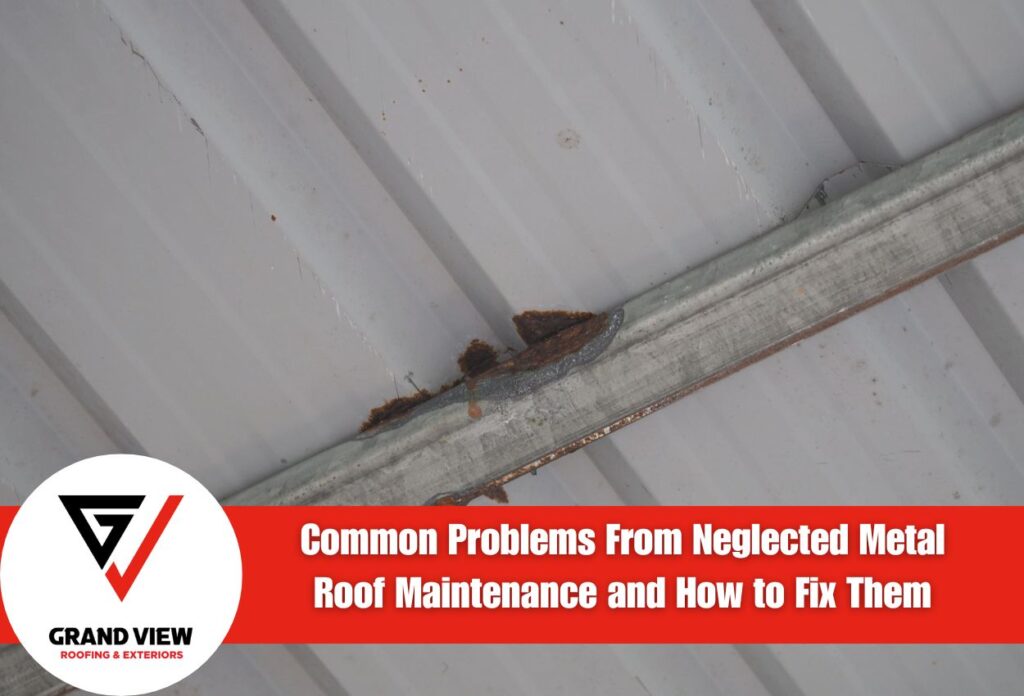
Metal roofs are built to last, but they aren’t invincible. When regular maintenance falls by the wayside, small issues can quickly snowball into serious problems that threaten both your wallet and your safety. What starts as a tiny spot of rust or a loose fastener can eventually lead to widespread metal roof deterioration, water damage inside your home, and structural concerns that need immediate attention.
Many homeowners assume their metal roof will take care of itself for decades without any upkeep. This common misconception often results in expensive surprises down the road. A corroded metal roof doesn’t happen overnight, but once the process begins, it accelerates faster than most people realize. Along with that, metal roof leak damage can compromise insulation, rot wooden supports, and create the perfect conditions for mold growth in attics and ceilings.
Understanding the warning signs can save thousands in repair costs. Rust on metal roofs, loose panels, damaged sealants, and gaps around flashing all signal that a roof needs professional evaluation. Catching these problems early makes the difference between a simple fix and a complete roof replacement. Recognizing what neglect looks like helps homeowners take action before minor wear becomes a major disaster.
Problem 1: Rust and Corrosion – The Silent Destroyers of Metal Roof
Rust doesn’t announce itself with fanfare. It begins quietly in small spots where protective coatings have worn thin or scratches have exposed bare metal to the elements. South Jersey’s coastal proximity creates ideal conditions for accelerated corrosion, as salty air mixes with rain and humidity to attack metal surfaces relentlessly. Even roofs located several miles inland face constant exposure to moisture that settles overnight as dew and condensation.
The progression from minor surface rust to structural failure follows a predictable path. What appears as small reddish-brown spots initially spreads outward and goes deeper into the metal panels. As rust on metal roofs advances, it weakens the material’s structural integrity and creates pockets where water collects. These moisture traps accelerate the deterioration process, leading to holes that allow metal roof leak damage to get into the home’s interior.
Early detection makes all the difference when addressing corroded metal roofing. A small rust patch caught during routine inspection can often be treated and sealed before it spreads. Once corrosion reaches advanced stages, entire panels may require replacement to prevent catastrophic failure. Luckily, regular professional inspections identify vulnerable areas before metal roof deterioration compromises the entire system, protecting both the structure and everything beneath it.
Problem 2: Water Damage – When Small Leaks Become Big Problems
A single loose fastener might seem insignificant, but it creates an opening for leaks that can cause devastating damage over time. Metal roofs rely on numerous fasteners to secure panels in place, and each one can be a potential entry point for moisture when neglected issues go unaddressed. These fasteners naturally loosen as metal expands and contracts with temperature changes, creating gaps that invite leaks during storms. Damaged seams between panels and deteriorated flashing around chimneys, vents, and roof edges add to the issue by channeling water directly into vulnerable areas of the roofing system.
The true cost of metal roof damage caused by leaks goes beyond the visible drips and stains on ceilings. Water that seeps through compromised areas saturates insulation, reducing its effectiveness and creating ideal conditions for mold and mildew growth. Damp insulation loses its thermal resistance properties, driving up energy bills while remaining hidden from view. The moisture continues traveling along the roof decking and structural supports, causing wood rot that weakens the entire framework. What begins as a few drops during heavy rain can spread to multiple rooms as the deterioration progresses unchecked.
Addressing metal roof maintenance issues promptly prevents these cascading failures. Professional inspections identify loose fasteners before they allow significant water intrusion, while damaged seals and corroded metal roofing receive timely repairs that stop leaks at their source.
Problem 3: Fastener Failure – The Weak Links in Your Roofing System
Screws and fasteners hold metal roofing panels securely in place, but these small components face constant stress that causes them to loosen over time. Temperature fluctuations force metal panels to expand during hot days and contract on cool nights, creating subtle movement that gradually works fasteners loose from their anchors. Wind during storms pulls at panel edges, placing additional strain on these connection points. Rubber washers that seal around each fastener deteriorate from UV exposure and weathering, losing their ability to maintain watertight seals. These combined forces transform previously secured attachments into entry points for water.
Loose panels shift and rattle during storms, creating noises that signal deeper issues with the roofing system. The movement between panels and underlying supports wears away protective coatings at contact points, exposing bare metal to the elements and accelerating rust on metal roofs. Gaps widen around compromised fasteners, allowing wind-driven rain to get beneath panels where it saturates underlayment and decking. Adjacent fasteners bear additional stress as loose panels transfer loads unevenly across the roof’s structure, hastening their own failure and spreading neglected metal roof problems across larger sections of the roof.
Problem 4: Sealant Breakdown – When Protection Turns Into Problems
Sealants play a critical role in keeping metal roofs watertight, especially around vulnerable areas where different materials meet or where gaps interrupt the roofing surface. Chimneys, vent pipes, skylights, and HVAC equipment all require carefully applied sealant to bridge the gap between metal panels and these fixtures. Ridge caps, valleys, and roof edges also depend on quality sealant to prevent water from finding its way beneath the roofing system. Over time, however, these protective barriers begin to fail as ultraviolet radiation, temperature swings, and constant exposure to the elements take their toll on the material.
As sealants age, they lose their flexibility and adhesive properties. What once formed a pliable, waterproof barrier becomes brittle and rigid, cracking under the stress of thermal expansion and contraction. These cracks create pathways for water to seep behind flashing and under panel edges during heavy rainfall. Shrinkage pulls the sealant away from the surfaces it once protected, leaving visible gaps that invite both leaks and pest intrusion. Insects and small animals exploit these openings to access attic spaces, while wind-driven rain flows freely into areas that should remain completely sealed against the weather.
Regular sealant inspection prevents these neglected metal roof problems from compromising the entire roofing system. Professional roofers can identify degraded sealant during routine maintenance visits and reapply fresh material before gaps allow metal roof leak damage to develop. This proactive approach addresses metal roof maintenance issues at their earliest stages, preserving the structural integrity of the roofing system and preventing the expensive repairs associated with metal roofing deterioration.
Problem 4: Drainage Issues – Standing Water and Its Destructive Effects
Proper water drainage ranks among the most important factors in maintaining a healthy metal roof. When gutters become clogged with leaves, twigs, and debris, water has nowhere to go except back onto the roof’s surface, where it pools in low spots and valleys. This standing water accelerates the corrosion process, even if your roof has quality protective coatings applied to it. South Jersey’s seasonal leaf drop and storm debris make gutter maintenance particularly important for preventing these drainage problems from developing into serious neglected metal roof problems.
Pooled water doesn’t simply evaporate without leaving its mark. The minerals and contaminants in rainwater concentrate as water sits on a roof’s surface, creating corrosive conditions that attack protective finishes and bare metal alike. Areas where water stands for extended periods show visible signs of rust on metal roofs much faster than sections with proper drainage. The weight of accumulated water also stresses fasteners and seams, potentially causing damage as connections weaken under the constant load.
Maintaining clear gutters and downspouts is one of the simplest yet most effective steps for preventing metal roof maintenance issues related to drainage. Cleaning gutters twice a year removes obstructions before they cause water backup. Checking that downspouts direct water away from the foundation protects both the roof and the home’s structural integrity. When homeowners notice water pooling after rainstorms, a professional evaluation can identify whether the corroded metal roof requires attention or if adjustments to the drainage system will resolve the issue before deterioration advances.
Solution: Prevention and Professional Solutions – Protecting Your Investment
Regular maintenance practices form the foundation of long-term metal roof performance. Scheduling professional inspections of your roof twice a year allows trained experts to identify early warning signs of rust on metal roofs, loose fasteners, and deteriorating sealants before they escalate into expensive repairs. These inspections should include a thorough examination of all vulnerable areas, including valleys, flashing, and penetrations where metal roof maintenance issues typically begin. Keeping gutters and gaps clear prevents water backup that accelerates corrosion, while promptly removing debris and fallen branches eliminates moisture traps that promote metal roofing deterioration.
Homeowners should contact professional roofers immediately when they notice water stains on ceilings, hear unusual noises during storms, or observe visible rust spots on panels. These symptoms indicate that neglected metal roof problems have progressed beyond simple surface issues and require expert evaluation. Waiting to address these warning signs allows corrosion to spread and metal roof leak damage to go deeper into the home’s structure.
Protective coatings offer powerful solutions for extending metal roof lifespan. Professional-grade coatings restore weathered surfaces, seal minor imperfections, and create renewed barriers against leaks. These treatments can reverse early-stage deterioration and add years of service life to roofs showing signs of age. When applied by experienced contractors, protective coatings address existing metal roof maintenance issues while preventing future corrosion, making them a cost-effective alternative to premature replacement for roofs with sound structural integrity.
Protect Your Home with Grand View Roofing & Exteriors
If you’ve noticed any signs of deterioration, such as rust, leaks, or loose fasteners on your metal roof, it’s crucial to address these issues promptly to prevent further damage. In South Jersey’s harsh climate, neglected metal roof problems can quickly escalate, leading to expensive repairs and significant safety concerns. Don’t let small issues turn into major headaches.
Call Grand View Roofing & Exteriors today at (856) 305-9883 for a professional evaluation and quick repair services. Protect your investment and ensure the longevity of your roof with our expert team. Act now to secure your home against the elements and maintain its value.