

 24/7 emergency services

 Call Us Today - (856) 305-9883


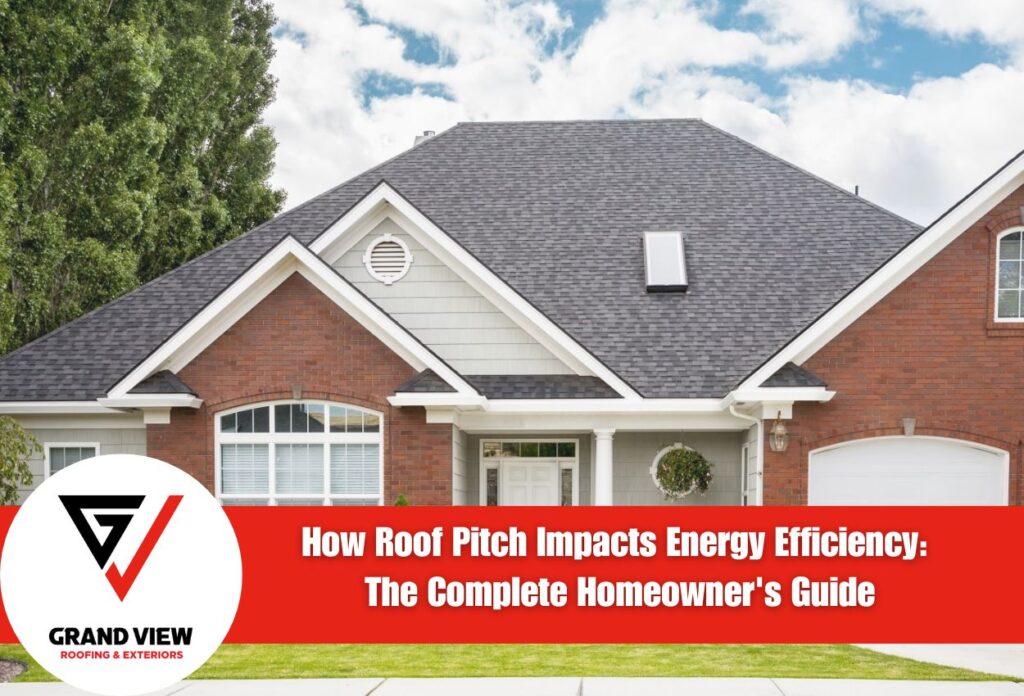

Roof pitch affects far more than just your home’s appearance, it plays a crucial role in energy efficiency that many South Jersey homeowners overlook. The angle at which your roof sits can significantly impact heating costs during harsh winters and cooling expenses during humid summers. The relationship between roof slope and energy performance creates wiggle room for savings on your utility bills throughout the year.
In South Jersey’s distinct climate, where temperatures fluctuate dramatically between seasons, the optimal roof pitch becomes even more important. During winter months, a properly pitched roof can maximize solar heat gain and improve insulation performance. In summer, the same roof angle can either trap unwanted heat or help reflect it away from living spaces.
Different pitch angles offer varying benefits, steep roofs typically provide better water runoff and attic ventilation, while low-slope designs might offer easier access for maintenance but could need specialized insulation and ventilation. The pitch also determines how effectively solar panels can be installed, with certain angles capturing maximum sunlight throughout the year.
Understanding how roof pitch impacts energy efficiency helps homeowners make an informed decision when they’re building a new home or planning a roof replacement. The right roof angle, combined with proper materials and insulation, creates an energy-efficient system that protects against South Jersey’s weather extremes while reducing long-term energy consumption.
Roof Pitch Basics: What Homeowners Should Know
Roof pitch is expressed as a ratio that represents how many inches a roof rises vertically for every 12 inches of horizontal distance. For example, a 4:12 slope means the roof rises 4 inches for every 12 inches of horizontal run. Low-pitch roofs (2:12 to 4:12) are common in modern and commercial designs, medium pitches (4:12 to 8:12) dominate traditional homes across South Jersey, while steep pitches (8:12 and above) are typically found in Victorian, Tudor, and Gothic architectural styles.
Past just energy considerations, your roof’s pitch affects its overall performance. Steeper roofs shed water and snow better than low-pitched roofs. However, they can be more expensive to install and repair, costing more in labor and material. Low-pitch roofs may require specialized waterproofing membranes to prevent water infiltration since they don’t naturally shed precipitation as effectively.
Roof pitch also impacts ventilation dynamics. Steeper pitches create larger attic spaces with improved airflow, helping regulate temperature and moisture levels throughout the year. This can extend your roofing materials’ lifespan by preventing premature deterioration from heat and humidity, where proper roof ventilation is essential for maintaining structural integrity.
How Steep Roofs Can Reduce Your Winter Heating Bills
Steep roofs offer significant energy efficiency advantages during South Jersey’s cold winter. The increased pitch creates more space for insulation while reducing the surface area directly exposed to cold air. This maintains a more consistent thermal barrier between your living space and the harsh winter elements outside.
A steeper roof pitch substantially improves insulation effectiveness by eliminating compression points where heat typically escapes. With adequate insulation properly installed in these larger attic spaces, homes maintain warmth more efficiently without overtaxing heating systems. In summer and spring, the outside heat has a harder time finding its way in, reducing the temperature as long as proper ventilation is present.
For our area, the most important advantage a steep roof has over a lower pitch is snow removal. When snow accumulates on a low-pitch roof, and creates added weight. On steeper roofs, snow slides off naturally, preventing the formation of ice dams, a common problem where melting and refreezing snow creates barriers that trap water, potentially causing leaks and forcing homeowners to use more energy to melt ice.
The improved ventilation characteristics of steep-pitched roofs also play an important role in winter energy efficiency. Better air circulation prevents moisture buildup that can degrade insulation performance over time. With proper ridge and soffit vents, steep roofs maintain their thermal efficiency throughout the entire winter season, helping South Jersey homeowners achieve the best roof slope for energy efficiency when temperatures get cooler.
Low-Slope Roofs: Energy Advantages and Considerations for Warmer Months
Low-slope roofs can have different energy-efficient qualities during South Jersey’s hot, humid summer months compared to steeper-pitched roofs. While these roof designs might not shed water as readily as their steeper counterparts, they excel in warm-weather performance when properly designed. The reduced angle creates less attic space that can trap heat, potentially keeping cooling costs lower during peak summer temperatures.
One of the best advantages of low-slope roofs in summer and spring is how reflective roof materials can reflect up to 80% of the sun’s heat away from the home, dramatically reducing cooling demands. Cool roof coatings, white TPO membranes, and reflective modified bitumen are effective options for homes with low-slope designs, creating the optimal roof pitch for temperature control.
Since these roofs have less natural air movement, mechanical ventilation systems like low-profile vents and solar-powered attic fans can prevent heat buildup. Combined with proper low-slope roof insulation options like rigid foam boards that provide excellent R-value with minimal thickness, these roofs can maintain comfortable indoor temperatures without excessive air conditioning use.
For homeowners considering solar integration, low-slope roofs often provide easier access for installation and maintenance, though panel angle adjustments may be necessary to optimize energy production. With proper design considerations, low-slope roofs can be excellent performers in South Jersey’s summer climate while maintaining their distinctive architectural appeal.
Finding Your Roof’s Solar Panel Sweet Spot: The Perfect Pitch for Energy Production
The angle of your roof plays a role in solar panel efficiency, especially in South Jersey, where our specific latitude determines optimal solar exposure. For maximum year-round solar energy production in our region, a roof pitch between 30 to 40 degrees (approximately 7:12 to 10:12) generally captures the most sunlight.
South-facing roofs remain the gold standard for solar installation, but east and west orientations can still generate substantial energy with only 15% to 20% less production than ideal conditions. For homeowners with east-west facing roofs, a slightly lower pitch (around 25 to 30 degrees) might actually improve overall energy capture by maximizing morning and afternoon sun exposure when panels receive direct light.
Seasonal considerations also affect the best roof angle for solar panels. A steeper pitch (around 40 to 45 degrees) has the best winter energy capability when the sun sits lower in the sky, valuable for homes with high winter electricity needs. Meanwhile, a lower pitch (20 to 30 degrees) favors summer production when days are longer and electricity usage often peaks due to air conditioning needs.
Most importantly, South Jersey homeowners should remember that even if your roof isn’t at the perfect angle, modern solar technology provides excellent energy returns across a wide range of pitches. Professional solar assessments can determine your specific roof’s energy-generating potential and recommend optimal panel placement to maximize your investment.
The Ventilation Factor: How Roof Pitch Affects Airflow and Temperature Control
Attic ventilation is one of the most overlooked parts of a roof’s design, yet it dramatically impacts your home’s energy efficiency. The pitch of your roof influences how air moves through your attic space, affecting both temperature regulation and moisture control. In South Jersey homes, where humidity and temperature fluctuations are common, this relationship becomes even more critical for maintaining energy efficiency.
Steeper roof pitches have larger attic spaces, giving your home more effective air circulation. This improved airflow helps prevent heat buildup during summer months, potentially reducing cooling costs by 10% to 15%. The increased space also prevents moisture accumulation that can degrade insulation performance and lead to mold growth. On the other hand, low-pitched roofs have less natural ventilation capacity, requiring more strategic vent placement to achieve similar benefits.
The effectiveness of ridge vents, soffit vents, and gable vents varies based on your roof’s pitch. Traditional South Jersey Colonial and Cape Cod homes with medium to steep pitches benefit most from ridge to soffit ventilation systems, while ranches and contemporary designs with lower pitches may require additional powered ventilation assistance. Proper ventilation improves energy efficiency and extends a roof’s lifespan by preventing shingle deterioration from excess heat and moisture.
Get the Best Energy Efficiency for Your Home with the Right Roof Pitch from Grand View Roofing & Exterior
Understanding how roof pitch affects your home’s energy efficiency is important for any homeowner looking to reduce energy costs and enhance comfort. At Grand View Roofing & Exteriors, we specialize in tailoring roof designs to perfectly match South Jersey’s unique climate, ensuring your home remains energy-efficient throughout the year. Whether you’re considering a steep roof to minimize winter heating bills or a low-slope roof designed for optimal summer cooling, our expert team is here to guide you through every step.
Don’t let your energy bills soar due to an inefficient roof design. Contact Grand View Roofing & Exteriors today at (856) 305-9883, and let’s discuss how the right roof pitch can significantly lower your energy costs and improve your home’s overall efficiency. Make the smart choice for long-term savings and comfort.