

 24/7 emergency services


 Call Us Today - (856) 305-9883


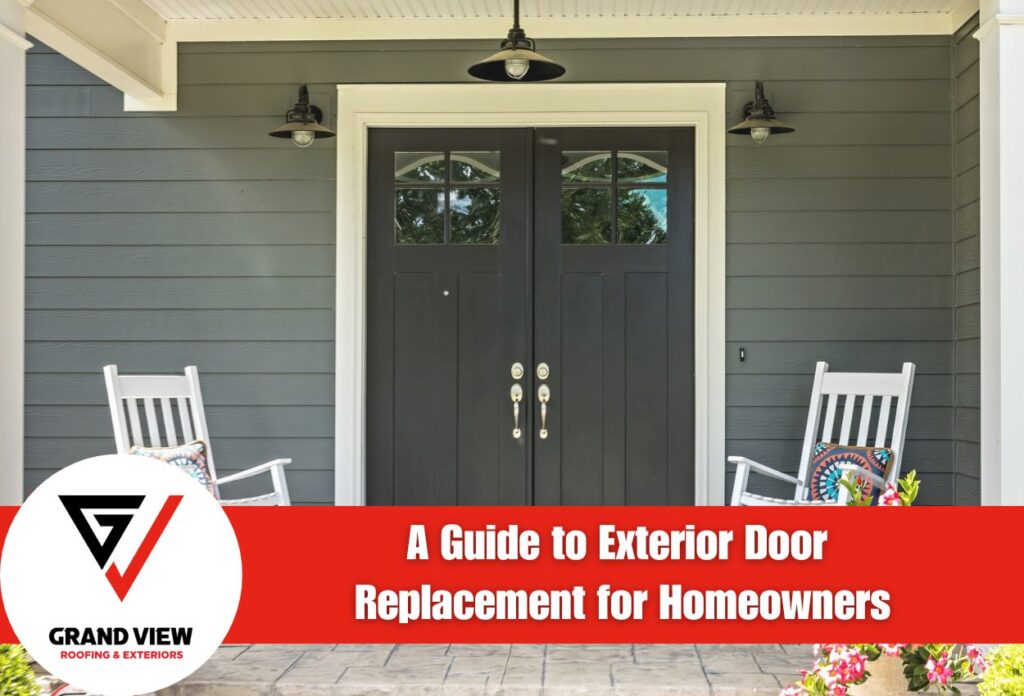

Replacing an exterior door transforms both the functionality and appearance of a home while delivering significant improvements in energy efficiency, security, and curb appeal. The exterior door replacement process involves several important steps that require careful planning and execution to ensure the best possible performance in South Jersey’s varying climate conditions.
Homeowners often underestimate the complexity of an exterior door installation. The process includes an evaluation of the existing door frame, addressing potential issues surrounding the door frame, and implementing proper weatherproofing techniques to combat water and temperature fluctuations common in our region.
Modern energy-efficient door replacement projects focus heavily on creating airtight seals and incorporating advanced insulation materials. These improvements directly impact heating and cooling costs while enhancing indoor comfort throughout the year. Door hardware installation requires precise measurements and proper alignment to ensure smooth operation and maximum security.
Success depends on understanding the compatibility of materials, structural requirements, and local building codes. Weather conditions, seasonal timing, and the condition of existing framing all influence project complexity and duration. Because of all of these factors, professional installation can often be the most beneficial choice for homeowners who are seeking guaranteed results, though DIY approaches can be possible for those with the right skills and tools.
Assessing Your Current Door and Frame Condition
Proper evaluation of existing door components can determine whether the exterior door replacement process will also require a frame replacement or if the current framing can be used. Begin by examining the door frame for visible signs of deterioration that could compromise the new installation. Wood rot appears as soft, discolored areas that crumble when pressed, while warping creates gaps between the frame and door that allow air to leak in.
Structural damage often shows itself as cracks in the frame corners, loose joints, or full separation from the surrounding walls. You should also check for water damage, including stains, mold growth, or peeling paint around the frame perimeter. These issues must be addressed before you can even think about hanging the new door to prevent any future problems.
Accurate measurements ensure a proper fit and the best possible performance of the new door system. Measure the rough opening width at the top, middle, and bottom, recording the smallest dimension down to the millimeter. Repeat this process for height measurements on both sides. These measurements can help determine whether a door frame replacement is necessary or if the existing opening can accommodate standard door sizes.
Evaluate the surrounding structure for even and square conditions using a level and square tool. Significant deviations may require frame adjustments that impact weatherproofing. Document any irregularities that could affect the installation of hardware like strike plates and hinges. Doing this now will save you time down the line.
Selecting the Right Exterior Door for Your Home
Material selection can impact the performance and longevity of an exterior door. Fiberglass doors offer exceptional durability against moisture and temperature fluctuations while maintaining dimensional stability throughout seasonal changes. These doors resist warping, cracking, and rotting, making them ideal for regions experiencing humid summers and cold winters.
Steel doors provide superior security and energy efficiency at competitive price points. The metal construction offers excellent insulation properties when paired with foam cores, contributing to reduced heating and cooling costs. However, steel surfaces may show dents from impact and require periodic maintenance to prevent rust formation in coastal environments.
Wood doors deliver classic curb appeal and natural insulation properties, but need regular maintenance to preserve their appearance and functionality. Quality hardwoods withstand weather exposure better than softwood alternatives, though all wood doors benefit from protective finishes and proper weatherproofing.
Energy efficiency ratings help homeowners compare performance capabilities across different door options. Look for ENERGY STAR certification and U-factor ratings below 0.30 for the best thermal performance. Low-emissivity glass coatings and multiple weather seals enhance energy-efficient door replacement benefits by minimizing air infiltration.
Consider door hardware installation requirements when selecting materials, as different door types accommodate specific hardware styles and security features. Heavy doors may require reinforced hinges and frames to ensure smooth operation and prevent premature wear during the exterior door installation process.
Removing Your Old Door and Preparing the Opening
The exterior door replacement process requires systematic removal of existing components to avoid damage to surrounding surfaces and ensure proper preparation for installation. Start by removing the door hardware installation components, including handles, locks, and hinges, using appropriate screwdrivers and tools. Place all hardware in labeled containers to prevent loss of reusable pieces that may serve as templates for new installations.
Carefully remove interior and exterior trim pieces using a pry bar and hammer, working slowly to minimize damage to molding that can be reused. Score paint lines between trim and walls using a utility knife to create clean separation lines and prevent wall surface damage. Remove the door slab from its hinges before addressing frame components to create easier access and reduce weight during handling.
A door frame replacement requires the complete removal of jamb components when deterioration or sizing issues exist. Cut through nails securing the frame to the rough opening studs using a reciprocating saw, then remove frame pieces individually. Clean all debris, old caulk, and protruding nails from the rough opening to create a smooth work surface.
Verify the opening dimensions match the new door requirements and check that all surfaces are level, even, and square using appropriate measuring tools. Address any structural irregularities that could affect the exterior door installation steps or compromise the weatherproofing of doors. This preparation phase ensures the best possible conditions for installing energy-efficient door systems that perform reliably throughout their service life.
Installing Your New Exterior Door
Proper positioning begins with placing the new door frame into the rough opening and checking for level and even conditions using a 4-foot level on all sides. The frame should sit flush with the interior wall surface while maintaining consistent reveal measurements around the perimeter. Temporary braces or blocks help hold the door in position during initial placement and prevent shifting during the shimming process.
Shimming techniques require precision to ensure the door operates smoothly without binding. Insert cedar or composite shims behind each hinge location and at the strike plate area, adjusting gradually to maintain frame alignment. Check the door swing frequently during shimming to identify any binding points that indicate misalignment. The gap between the door and frame should measure consistently between 1/16 and 3/32 inches on all sides.
Secure the frame using appropriate fasteners driven through the shim locations into the structural studs behind the rough opening. 3-Inch screws provide adequate holding power while getting deep enough into framing lumber for a secure attachment. Avoid over-tightening fasteners that could bow the frame and create operational problems.
Final alignment verification involves testing door operation through multiple open and close cycles while checking for smooth movement and proper latching. The door should close firmly against weather sealing without requiring excessive force. Adjust hardware mounting locations if needed to ensure proper engagement between latch mechanisms and strike plates for the best possible security and weatherproofing performance.
Weatherproofing and Sealing Your Door Installation
Effective weatherproofing completes the exterior door replacement process by creating protective barriers against moisture, air infiltration, and temperature transfer. Quality weatherstripping materials installed around the door perimeter are the primary defense against energy loss and weather. Compression seals along the top and sides of the frame push against the frame when the door closes, creating continuous contact that blocks air movement while allowing smooth door operation.
Installing a Door sweep along the bottom threshold requires precise measurement and positioning to get the best ground contact without creating excessive drag during opening and closing. Adjustable sweeps accommodate minor threshold irregularities while maintaining consistent sealing pressure across the full width of the bottom of the door. Replace weatherstripping materials showing signs of compression set, cracking, or gaps that compromise the effectiveness of the sealing.
Exterior caulking application creates weathertight barriers between the door frame and surrounding siding materials. High-quality polyurethane or silicone-based caulks withstand seasonal expansion and contraction while maintaining adhesion to dissimilar materials. Apply caulk in continuous beads along all exterior frame edges, smoothing with a damp cloth to create a uniform appearance and complete surface contact.
Special attention to threshold sealing prevents leaks that can damage subflooring and create indoor air quality problems. The door frame replacement process should include proper flashing installation that directs moisture away from structural components. These weatherproofing doors techniques ensure energy-efficient door replacement investments deliver the expected performance while protecting the home against climate challenges throughout the installation’s service life.
Installing Hardware and Final Adjustments
Hardware installation is the final phase of the exterior door replacement process and directly impacts both security and operational performance. Begin with hinge installation by positioning each hinge leaf precisely within the mortised areas of both the door and frame. Use the screws provided by the manufacturer, ensuring each fastener goes completely through the door thickness and into solid wood backing material for maximum holding strength.
Lock and deadbolt installation requires careful attention to alignment between door-mounted components and frame strike plates. Mark the centerline for lock positioning based on manufacturer specifications, typically 36 inches from the floor for handle sets and 6 inches above that for deadbolts. Drill pilot holes to prevent wood splitting, then test fit all components before final tightening to ensure smooth operation and proper engagement.
Strike plate positioning affects both security and door closing performance throughout the exterior door installation steps. The latch bolt should engage the strike plate opening with approximately 1/4 inch of overlap when the door closes normally. Adjust strike plate positioning if the door requires excessive force to latch or fails to engage properly with the locking mechanism.
Final inspection involves testing all door hardware installation components through multiple operation cycles while checking for smooth movement and secure engagement. Verify that weatherproofing door elements remain properly positioned and that energy-efficient door replacement sealing systems function correctly. Make minor adjustments to hinges, locks, and threshold components as needed to ensure optimal performance and longevity of the completed installation.
Expert Exterior Door Replacement in South Jersey
Are you ready to enhance your South Jersey home’s security, energy efficiency, and curb appeal? Look no further than Grand View Roofing & Exteriors for your exterior door replacement needs. Our team of experts is equipped to handle every step of the exterior door replacement process, ensuring a seamless and professional installation.
Don’t let an outdated or damaged door compromise your home’s structural integrity. Contact us today at (856) 305-9883 to schedule a consultation and take the first step towards a safer and more energy-efficient home.