

 24/7 emergency services


 Call Us Today - (856) 305-9883


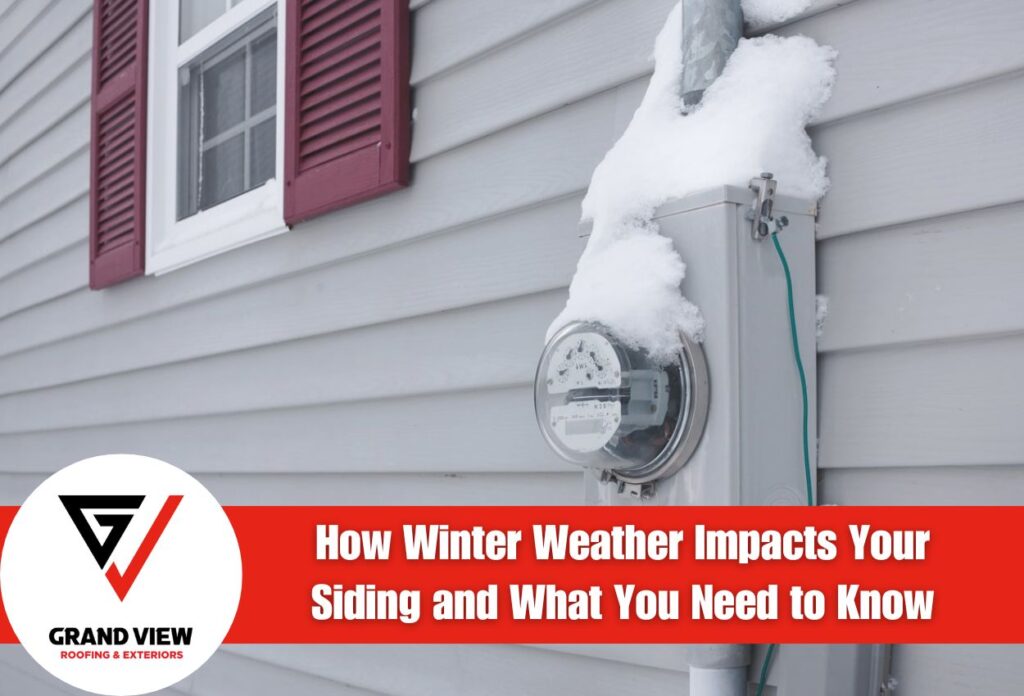

Winter weather creates serious challenges for home siding materials across different climates. Cold temperatures, ice, and repeated freeze-thaw cycles can cause significant damage to vinyl, wood, and fiber-cement siding. Understanding how winter weather impacts siding helps homeowners protect their investment and avoid expensive repairs during the harshest months of the year.
Temperature fluctuations during the winter months cause siding materials to expand and contract repeatedly. This constant movement creates stress points that lead to cracks, warping, and separation at joints. Ice damage to vinyl siding occurs when moisture freezes behind panels, pushing them away from the house structure. Freeze-thaw cycles can be particularly destructive to siding when water seeps into small cracks and expands as it freezes.
Preventing damage to siding in winter requires recognizing the warning signs early. Cold weather siding maintenance is essential when temperatures drop below freezing for extended periods. Snow accumulation against siding creates moisture problems, while ice dams can force water behind exterior panels.
Winter siding inspection tips include checking for loose panels, examining caulking around windows and doors, and looking for signs of moisture damage. Different siding materials respond uniquely to winter conditions, making it important to understand the specific vulnerabilities of each type installed on your home.
The Freeze-Thaw Cycle Creates Cracks and Splits in Siding Materials
Freeze-thaw cycles are one of winter’s most destructive forces against home exteriors. Water damage begins when moisture seeps into tiny gaps, nail holes, or hairline cracks in siding materials. As temperatures drop below freezing, this trapped water expands by approximately 9%, creating tremendous pressure that widens cracks.
This expansion and contraction process repeats throughout the winter months, with each cycle causing additional damage. Small imperfections gradually transform into significant structural problems that compromise the siding’s protective barrier. The repeated stress eventually leads to panel separation, loose fasteners, and visible splits that allow moisture and cold air into the home.
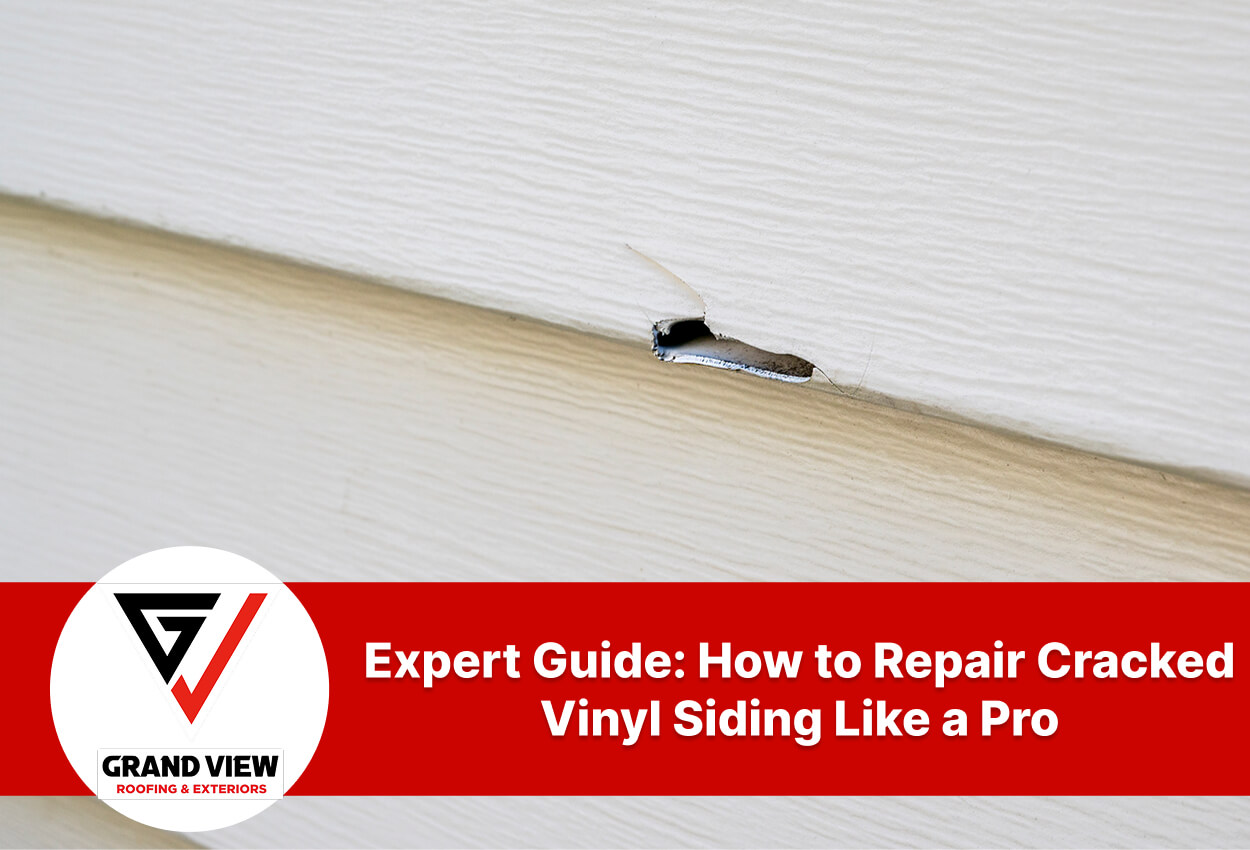
Freeze-thaw cycles damage siding materials in different ways. Winter damage to vinyl siding often occurs because the material becomes brittle in cold temperatures. Wood siding faces similar vulnerabilities as moisture seeps into the grain and natural imperfections. Fiber-cement siding, while more durable, can still develop cracks around fastener points and seams.
No matter the type of siding, homeowners should watch for horizontal cracks along panel edges, vertical splits near corners, and gaps developing around trim work. Loose or buckled panels indicate freeze-thaw damage has already begun. Cold weather siding maintenance should include sealing any visible gaps before winter arrives and conducting inspections throughout the season to catch problems early.
How Ice Formation Warps and Distorts Siding Panels
Ice buildup around gutters and roof edges creates enormous pressure that pushes and pulls on siding panels in unexpected ways. When ice dams form along rooflines, water backs up and forces its way behind the top rows of siding. This trapped moisture freezes and expands, creating a wedging effect that bows panels outward from the house structure.
The mechanical force generated by expanding ice can permanently deform siding panels, creating waves and bulges that remain visible even after the ice melts. Heavy icicles hanging from gutters add additional stress by pulling downward on upper siding sections while wind forces push frozen panels in different directions.
Cold temperatures make vinyl siding particularly vulnerable to ice damage because the material loses flexibility and becomes brittle. Vinyl that easily bends and flexes during warm weather can crack or shatter when subjected to ice pressure in freezing conditions. This brittleness means that even minor ice buildup can cause permanent damage to panels that would normally withstand significant force.
Ice damage to vinyl siding often appears as cracked corners, split panels, or permanently warped sections that no longer lie flat against the house. Preventing damage requires addressing ice dams in gutters through proper attic insulation and ventilation. Regular winter siding inspection tips include checking for ice buildup and removing heavy snow from the roof that contributes to major damage.
Why Snow and Moisture Seeping Behind Siding Causes Hidden Problems
Wind-driven snow presents a persistent threat to siding by finding microscopic entry points that allow moisture behind exterior panels. Strong winter winds push fine snow particles through nail holes, caulking gaps, and overlapping seams that appear sealed under normal conditions. This moisture infiltration creates hidden damage that often goes undetected until spring thaw reveals the extent of winter’s destructive impact.
Once moisture gets behind siding, it becomes trapped against the house wrap, insulation, and structural framing materials. Winter temperatures prevent this trapped moisture from properly evaporating, creating ideal conditions for mold growth and wood rot. The problem compounds when freeze-thaw cycles cause repeated expansion that opens more pathways for snow and moisture.
Mold colonies begin developing within days when moisture levels remain consistently high behind siding panels. Wood sheathing, rim joists, and wall studs provide organic material that feeds mold growth throughout the winter months. Rot often follows as moisture breaks down wood fibers and compromises structural integrity around windows, doors, and corners.
Signs of hidden moisture problems include musty odors near exterior walls, discolored caulking, and ice formation in unusual locations along siding seams. Pre-cold weather siding maintenance should focus on sealing potential entry points during the fall. Winter siding inspection tips include checking for snow accumulation patterns that indicate air leakage and monitoring for early signs of moisture that require immediate attention to prevent extensive hidden damage.
Essential Winter Siding Inspection Steps Every Homeowner Should Take
Regular winter siding inspections help homeowners identify damage before minor issues worsen. The key to an effective winter siding inspection involves systematically checking vulnerable areas where freeze-thaw cycles typically cause the most damage. Conducting inspections monthly during the winter months allows homeowners to spot problems early and take preventive action.
Ground-level inspections provide valuable information without requiring dangerous ladder work on slippery surfaces. Use binoculars to examine upper siding sections, gutters, and roofline areas where ice damage commonly occurs. A simple flashlight helps illuminate shadowed areas where cracks and gaps might otherwise go unnoticed during shorter winter daylight hours.
It is also important to focus inspection efforts on corners, window trim, door frames, and anywhere different materials meet. These transition zones experience the greatest stress from thermal expansion and contraction. Check for loose panels, separated seams, and any visible gaps that could allow moisture in. Document problem areas with photographs to track changes over time and provide reference points for repair work.
Cold weather siding maintenance inspections should include examining caulking around all transition areas, checking for ice buildup, and noting any panels that appear warped or damaged. These care tips are more effective when homeowners understand what warning signs to watch for and how to safely assess their home’s exterior condition throughout the winter.
Methods to Prevent Winter Siding Damage Before It Starts
Proactive prevention offers the most effective approach to protecting siding from winter’s destructive forces. Fall maintenance tasks create barriers against moisture infiltration and ice formation before cold weather arrives.
Thorough caulking inspection and repair around windows, doors, and trim work eliminates pathways for snow and moisture to get behind the siding. Fresh caulk stays flexible in cold temperatures, while old, cracked sealant allows water in that leads to ice damage. Professional-grade exterior caulk provides superior adhesion and weather resistance compared to basic hardware store products.
Cleaning siding removes dirt, mildew, and organic debris that can trap moisture against panels throughout the winter months. Washing should be completed early enough in the fall to allow complete drying before freezing temperatures arrive. This cleaning process also reveals small cracks or loose panels that require attention before winter weather worsens existing problems.
Cold weather siding maintenance includes checking and tightening loose fasteners, replacing damaged panels, and ensuring proper overlap at seams. These preventive measures significantly reduce the risk of wind-driven snow infiltration and ice formation behind siding panels. Implementing these protective steps before winter arrives is often far more cost-effective than addressing damage after it occurs.
Along with the siding itself, drainage systems and adequate ventilation work together to minimize moisture accumulation that leads to ice formation problems. Cleaning gutters and downspouts ensures melting snow flows away from siding rather than backing up and creating ice dams. Well-functioning drainage prevents standing water that contributes to damage around foundation areas and lower siding sections.
Overall, preventing damage to siding requires completing specific preparation steps that address the most common failure points.
When to Call a Professional for Winter Siding Repairs and Maintenance
Certain winter siding problems require immediate professional intervention to prevent extensive damage and higher repair costs. Recognizing warning signs early allows homeowners to address serious issues before they compromise the home’s structural integrity or energy efficiency. Professional expertise is essential when damage extends beyond surface-level problems or requires specialized equipment and materials.
Large sections of loose or separated siding panels indicate structural issues that need an expert assessment. When multiple panels show signs of warping, cracking, or pulling away from the house, the underlying cause often involves moisture or installation problems that require professional diagnosis. Ice damage that affects entire wall sections needs immediate attention to prevent water infiltration into wall cavities.
Visible mold growth, water stains on interior walls, or unexplained increases in heating bills suggest moisture has gotten behind siding panels. These conditions require professional remediation because hidden damage may have compromised insulation, house wrap, or structural components. Attempting DIY repairs on moisture-related siding problems often masks underlying issues without addressing root causes.
Winter emergency repairs are often necessary when storms damage large siding areas or when freeze-thaw cycles create immediate threats to the home, and professional contractors have specialized tools and materials designed for cold weather installations. Waiting until spring for major siding repairs typically results in additional damage from continued moisture exposure, making immediate professional intervention the most cost-effective approach for serious winter siding problems.
Protect Your Siding this Winter with Grand View Roofing & Exteriors
As the cold weather approaches, it’s time to assess your home’s siding for any potential weaknesses. Maintenance and repairs can prevent major damage caused by winter weather. At Grand View Roofing & Exteriors, we specialize in diagnosing and fixing winter-related siding issues. Don’t wait for the freeze-thaw cycle to create irreversible damage. Our experienced team is ready to provide comprehensive siding inspections and perform necessary repairs to safeguard your home.
If you notice any signs of siding distress, such as cracks, warps, or moisture damage, call us immediately at (856) 305-9883. Taking action now can save you from more severe problems in the future. Let Grand View Roofing & Exteriors protect your investment with expert siding maintenance and repair services this winter.