





 24/7 emergency services

 Call Us Today - (856) 305-9883


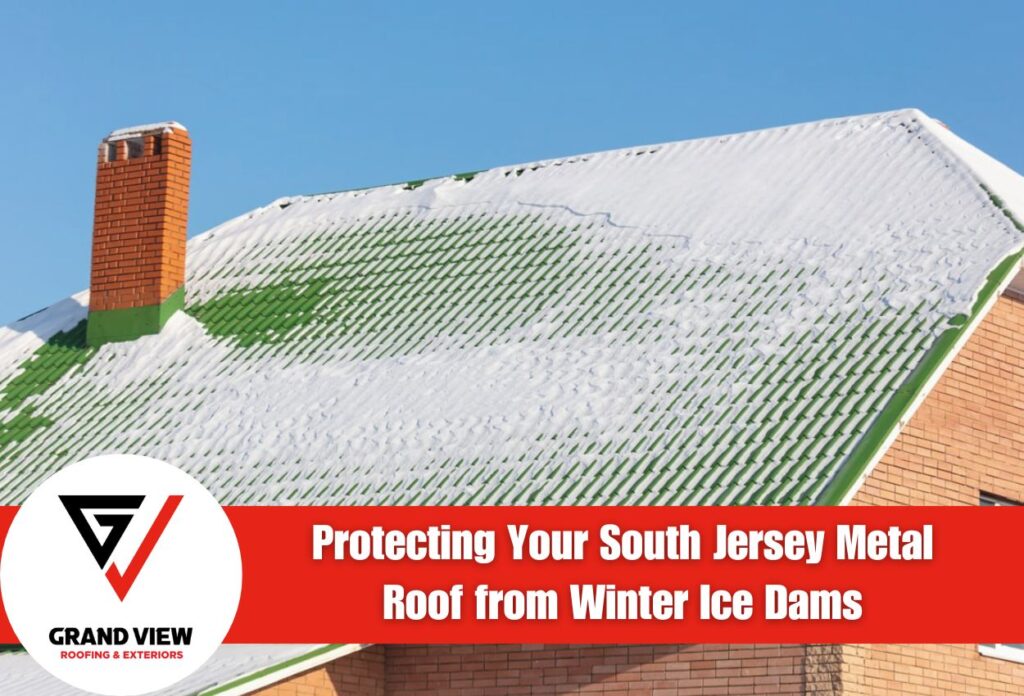

Ice dams pose a serious threat to metal roofing systems during harsh winters. These frozen barriers form when snow melts on warm roof sections and refreezes at cooler edges, creating thick ice ridges that trap water behind them. Metal roofs face unique challenges with ice dam formation due to their smooth surface and thermal conductivity properties.
The Mid-Atlantic region experiences ideal conditions for ice dam development, with fluctuating temperatures that cause repeated freeze-thaw cycles. When heavy snow accumulates on metal roofs, uneven heating from poor attic insulation and ventilation can create the perfect environment for these destructive ice formations.
Metal roof ice dam prevention requires an approach that addresses both immediate risks and long-term protection strategies. Proper attic insulation and ventilation systems work together to maintain consistent roof temperatures, while installing roof heat cables provides targeted protection for vulnerable areas like gutters and eaves.
Understanding effective ice dam removal methods becomes important when prevention is no longer possible. However, implementing proper maintenance practices is far cheaper than dealing with expensive repairs from water damage, structural issues, and compromised roofing materials. Taking proactive steps before winter arrives protects both the roof structure and the home’s interior from expensive ice dam damage.
Why Metal Roofs Still Get Ice Dams Despite Their Advantages
Many homeowners believe metal roofs provide complete protection against ice dam formation, but this common misconception can lead to expensive surprises. While metal roofing systems offer superior snow shedding compared to traditional materials, they remain vulnerable to ice dams under specific conditions. The smooth surface that helps snow slide off can actually work against the roof when temperatures hover around freezing, creating ideal circumstances for ice accumulation at gutters and roof eaves.
Metal roof ice dam prevention becomes challenging because the material’s high thermal conductivity transfers heat efficiently from the attic space below. When poor attic insulation and ventilation allow warm air to reach the roof deck, snow melts rapidly on the upper sections while remaining frozen at the cooler edges. This temperature differential creates the perfect recipe for ice dam formation, regardless of the roofing material.
South Jersey’s unpredictable winter weather patterns add to these issues through frequent temperature fluctuations. Daily cycles of melting and refreezing cause ice to build up progressively, while heavy snow can overwhelm even well-designed drainage systems.
Without proper metal roof winter maintenance and adequate insulation, homeowners may find themselves researching ice dam removal methods despite investing in premium roofing materials. Installing roof heat cables in vulnerable areas provides additional protection during extreme weather.
Essential Attic Improvements That Stop Ice Dams Before They Start
Installing adequate insulation proves far more effective than relying solely on installing roof heat cables or reactive ice dam removal methods. The key lies in creating a continuous thermal boundary that prevents air from escaping through gaps around fixtures, gaps, and attic access points. Air sealing combined with proper insulation thickness ensures consistent roof surface temperatures throughout winter storms.
Ventilation systems work with insulation to maintain the best possible attic conditions for ice dam prevention. Ridge and soffit vents create natural airflow that can make the temperatures across the entire roof’s surface equal. This continuous air circulation prevents warm spots that trigger melting cycles, even when heavy snow on metal roofs creates additional issues.
Balanced ventilation requires an equal flow of intake and exhaust to function properly during metal roof winter maintenance periods. Blocked or insufficient soffit vents compromise the entire system, while inadequate ridge ventilation prevents proper air movement. These attic insulation and ventilation improvements address root causes rather than symptoms, providing long-term protection that reduces dependency on emergency intervention measures.
Heat Cable Systems for Maximum Ice Dam Protection
Several heat cables provide targeted protection for metal roofing systems vulnerable to ice dam formation. Self-regulating heat cables automatically adjust their power output based on ambient temperatures, making them ideal for metal roofs where temperatures can change rapidly. These systems consume less energy than alternatives that are consistently running while delivering consistent heating along the gutters, downspouts, and eaves where ice typically gathers.
Constant-wattage heat cables maintain steady heat output regardless of temperature conditions, offering reliable performance but requiring careful power management. Mineral-insulated cables, however, provide the most durable option for installing roof heat cables on metal surfaces, withstanding extreme weather conditions and physical impact from falling ice or debris. These professional-grade systems integrate seamlessly with standing seam and corrugated metal profiles without compromising the roof’s structural integrity.
Strategic placement focuses on drainage pathways, including gutters, downspouts, and valleys where ice dam formation typically begins. Heated cables installed in zigzag patterns across eaves prevent ice development, while extending cables into downspouts ensures complete drainage system protection during heavy snowfall.
Winter Maintenance Routines That Keep Your Metal Roof Free from Ice Dams
Consistent inspection schedules during winter help identify potential ice dams before they cause serious damage. Monthly visual assessments from ground level can reveal the early warning signs, including icicle formation along gutters, ice buildup at the edge of your roof’s eave, and uneven snow melting patterns across the surface of the roof. These issues could mean that there is a temperature imbalance that can lead to an ice dam without proper intervention.
Professional contractors recommend checking attic spaces for frost accumulation on rafters or roof decking, which signals inadequate attic insulation and ventilation performance. Interior ceiling stains or water spots indicate existing ice dam problems that require immediate attention through proven ice dam removal methods. Homeowners should also monitor gutter systems for ice blockages that prevent proper drainage during snowmelt.
Safe snow removal requires specialized tools designed specifically for metal roof surfaces to prevent scratching or denting. Plastic roof rakes with extension handles allow ground-level snow removal from lower roof sections, while avoiding dangerous ladder work during icy conditions. Snow removal should focus on the bottom 3 to 4 feet of the roof where ice dams typically form, rather than attempting to completely clear the roof of snow.
Professional snow removal services utilize steam equipment and heated water systems for removing heavy snow on metal roofs. These winter maintenance practices prevent excessive weight on the roof while eliminating the snow accumulation necessary for ice dam formation.
Managing Heavy Snow to Prevent Ice Dam Formation
Understanding weight limits becomes crucial for preventing ice dam formation on metal roofing systems during heavy snowfall events. Most residential metal roofs can safely support 20 pounds per square foot of snow, but this capacity varies based on roof design, support structure, and snow density. Wet, compacted snow weighs significantly more than fresh powder, creating conditions where seemingly manageable accumulation can exceed safe limits and promote ice dam development.
Heavy snow on metal roofs creates multiple problems beyond structural concerns. Excessive accumulation insulates the roof surface, trapping heat from below and creating the temperature differential necessary for ice dam formation. When the depth of the snow exceeds 6 inches on metal roofing, the insulating effect intensifies, causing bottom layers to melt while surface snow remains frozen.
Strategic snow removal focuses on eliminating accumulation before it reaches problematic depths for metal roof ice dam prevention. Professional removal techniques utilize plastic tools specifically designed for metal surfaces, preventing damage to protective coatings and panel finishes. Steam removal methods prove most effective for metal roof winter maintenance, dissolving snow without physical scraping that can compromise roof integrity.
Timing snow removal operations prevents the freeze-thaw cycles that create ice dam conditions. Removing snow within 24 hours of significant accumulation eliminates the thermal mass necessary for sustained melting, while protecting the roofing structure from excessive weight that can cause the panels to become distorted.
When to Call Professionals for Ice Dam Removal and Prevention
Recognizing when ice dam situations exceed homeowner capabilities prevents expensive damage to metal roofing systems. Professional intervention becomes necessary when ice dams exceed 4 inches in thickness, extend beyond gutter systems onto roof surfaces, or show signs of water infiltration through interior ceiling stains or wall discoloration. These conditions indicate advanced ice dam development that requires specialized ice dam removal methods and equipment beyond typical homeowner resources.
Roofing contractors possess special tools, including steam equipment, heated pressure washers, and removal tools designed specifically for metal roof ice dam prevention work. Professional teams understand proper techniques that protect panel integrity while effectively removing ice formations, preventing the surface damage that often results from improper removal attempts. Contractors also carry insurance coverage protecting homeowners from liability during dangerous winter roof work.
Long-term prevention solutions require professional assessment of attic insulation and ventilation systems to identify root causes of recurring ice dam problems. Qualified contractors can install proper ridge vent systems, upgrade soffit ventilation, and implement air sealing measures that address thermal issues causing repeated ice dam formation. Professional installation of heat cable systems ensures proper electrical connections, adequate amperage capacity, and strategic placement patterns optimized for metal roof configurations.
Emergencies involving structural damage, electrical hazards from installing roof heat cables, or immediate water intrusion require immediate professional response to prevent escalating damage during metal roof winter maintenance periods.
Expert Metal Roof Ice Dam Prevention in South Jersey
If you’re struggling with ice dams on your metal roof this winter, you’re not alone. South Jersey’s unique weather patterns make the perfect conditions for ice dams, even on metal roofs renowned for their durability and ice resistance. At Grand View Roofing & Exteriors, we specialize in implementing proven ice dam prevention strategies that protect your home and extend the lifespan of your roof.
Our team offers solutions, including attic insulation upgrades, proper ventilation systems, and the installation of high-quality heat cable systems. These methods ensure even roof temperatures, preventing the formation of hazardous ice dams.
Don’t let ice dams cause expensive damage to your home. Call Grand View Roofing & Exteriors today at (856) 305-9883 to schedule a consultation. Let us help you keep your metal roof safe and ice dam-free this winter!
Frequently Asked Questions about Metal Roof Ice Dams
Ice dams can cause significant damage to metal roofing systems if not properly managed. The following FAQs address common concerns and offer guidance on prevention, maintenance, and when to seek professional help.
Can metal roofs completely prevent ice dams?
No, while metal roofs shed snow more effectively than other materials, they can still develop ice dams if attic insulation and ventilation are inadequate or if temperature fluctuations cause freeze-thaw cycles.
What are the best methods to prevent ice dams on metal roofs?
Effective prevention includes proper attic insulation, balanced ventilation systems, and installing heat cables along vulnerable areas like gutters, downspouts, and eaves.
When should I call a professional for ice dam removal?
Professionals should be called if ice dams exceed 4 inches in thickness, extend beyond gutters, show signs of water infiltration, or if safe removal requires specialized tools and techniques to protect the metal roof.
Related Articles
-
 November 11, 2025Do Metal Roofs Cause Ice Dams or Help Prevent Them?Curious whether metal roofs cause ice dams? Learn how metal roofing actually helps prevent them.
 -
 December 3, 2025Does Snow Cause Metal Roofs to Rust? What You Need to KnowCan snow make metal roofs rust? Discover how moisture and freeze-thaw cycles affect metal roofing and tips to prevent damage.
 -
 September 7, 2025How Effective Are Winter Roof Tarps for Protecting Your Home During Cold Weather?Do winter roof tarps really protect your home? Learn which materials best withstand snow and prevent leaks in severe weather.
Protect Your Home with Expert Roofing
Don’t wait for leaks or storm damage to cause costly repairs. Our experienced roofing team provides fast, reliable service, high-quality materials, and lasting results. Ensure your home stays safe, secure, and looking great—contact us today for a free estimate.