





 24/7 emergency services


 Call Us Today - (856) 305-9883


Emergency Roof Repair in East Greenwich, NJ
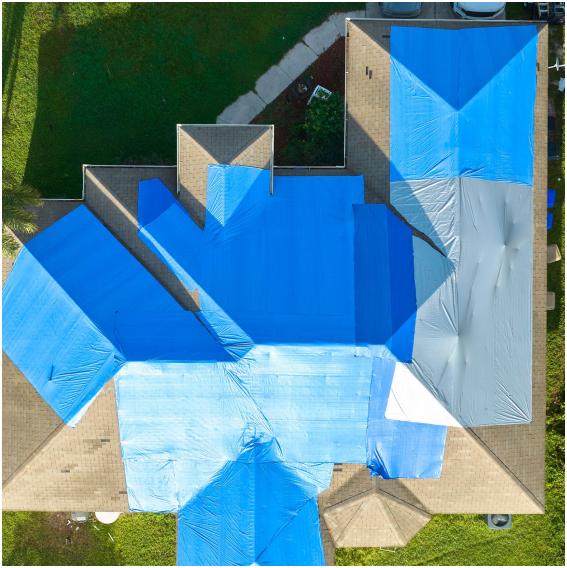
East Greenwich sits in the heart of southern New Jersey, where the weather rarely gives your roof a break. Rainfall spreads across the entire year, with heavy downpours capable of exposing weak spots in a matter of minutes. Winter temperatures regularly drop into the 20s and 30s, and summer can push into the 90s. Those temperature changes loosen shingles, crack sealants, and open up small gaps that quickly turn into active leaks. Older homes in the area carry roofing systems that have already absorbed years of this wear, and when a storm rolls through, those pre-existing vulnerabilities tend to show up fast.
That's exactly the situation Grand View Roofing & Exteriors was built for. When water is getting into your home, you don't need a lengthy back-and-forth. You need someone who understands the specific conditions in this area, knows what a storm-damaged roof in East Greenwich actually looks like, and can get there quickly to stop the damage from spreading to your ceilings, insulation, and interior walls. Whether it's missing shingles after a windstorm, failed flashing around a chimney, or a roof section that needs temporary tarping before a permanent repair is possible, the priority is protecting your home before the next round of rain arrives.
How Emergency Roof Repair Works in East Greenwich, NJ
When water is coming into your home, the last thing you need is to wonder what happens next. Here is exactly what to expect when you call Grand View Roofing & Exteriors for emergency roof repair.
- Step 1: Immediate Response and Triage
We move quickly because delays cost you more than time. When you call, we gather details about what you are seeing so we can arrive prepared with the right materials. Our goal is to get eyes on your roof as fast as possible and stop the situation from getting worse. - Step 2: Temporary Stabilization and Protection
If your roof is actively leaking or a section is exposed, we address that first before anything else. This often means tarping damaged areas or applying temporary patches to prevent water from reaching your ceilings, insulation, and interior walls. Getting your home protected quickly is the priority. - Step 3: Complete Inspection Once Stabilized
With the immediate threat controlled, we do a thorough inspection of your roof, including shingles, flashing, seams, and any gaps like vents or chimneys. This gives us the full picture of what caused the problem and what will actually fix it. - Step 4: Permanent Solution Planning and Execution
We walk you through exactly what the repair involves, what we found, and why we are recommending what we are recommending. If the damage is limited to a small area, we will tell you that and only do what is needed. We do not suggest work that is not required. - Step 5: Prevention Guidance and Follow-up
Once the repair is done, we review the work with you and point out anything else worth watching on your roof. You leave the conversation knowing the condition of your roof, not just the spot that was just fixed.
Common Emergency Roof Triggers in East Greenwich, NJ
Not every roof problem qualifies as an emergency, but some situations genuinely cannot wait. In East Greenwich, certain conditions show up repeatedly after storms, temperature swings, and periods of heavy rain, and knowing what to watch for can help you act before the damage reaches your ceilings and walls.
| Emergency Trigger | Common Cause | Immediate Risk |
|---|---|---|
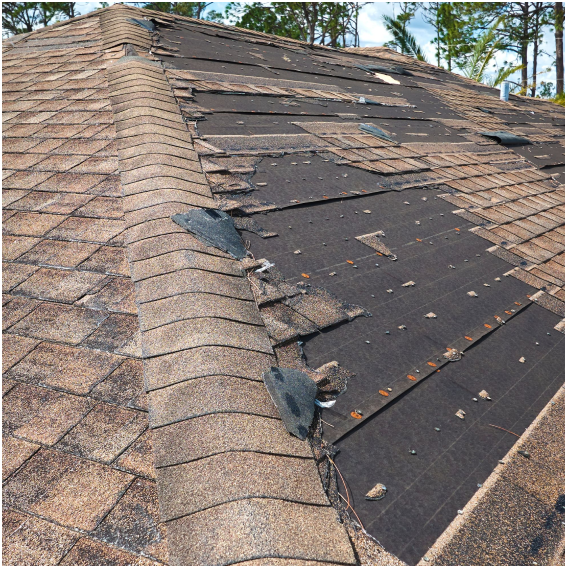
| Wind-driven shingle loss | Strong thunderstorms and aging fasteners | Exposed roof decking vulnerable to the next rainstorm |
| Flashing failure at chimneys or vents | Sealant cracking from repeated temperature changes | Leaks along roof gaps that spread quickly |
| Active interior leaks | Storm damage or failed seams on older roofing | Stained ceilings, wet insulation, and structural saturation |
| Lifted or open roof seams | Winter temperature changes loosening fasteners | Water pooling under roofing layers between storms |
One detail worth knowing: East Greenwich Township allows emergency roof replacement work to begin before permits are obtained in genuinely urgent situations, which is different from how routine minor repairs are handled under New Jersey code. This means that when your home needs immediate protection, the permitting process does not have to stand between you and getting your roof stabilized. Grand View Roofing handles that side of things so the focus stays where it belongs, on stopping the damage.
Shingle-Level Repair Without Unnecessary Replacement
When storm damage is limited to a section of your roof, we replace only the affected shingles rather than pushing for broader work that isn't needed. This keeps your repair focused, your timeline short, and your home protected without overreaching the actual scale of the problem.
Flashing Repair and Resealing Around Roof Gaps
Chimneys, vents, and pipe boots are common entry points for water, especially after the sealants around them crack from repeated temperature changes. We reseal and repair flashing at these vulnerable spots using materials suited to the conditions in southern New Jersey, where precipitation is consistent year-round and temperature swings put extra stress on older sealants.
Emergency Tarping for Exposed Roof Sections
When a section of your roof is open to the sky after storm damage, a properly secured tarp is what stands between your home and the next round of rain. We use heavy-duty tarping materials anchored to handle wind, giving your home a reliable barrier while permanent repairs are being planned and executed.
Leak Tracing on Older Roofing Systems
Water doesn't always enter where it shows up on your ceiling, and on older roofs with layered patches and wear, tracing a leak to its actual source takes experience. We follow the water back to where it's actually getting in, so the repair addresses the real problem rather than just the most visible symptom.
Get Emergency Roof Repairs Done in East Greenwich, NJ
Southern New Jersey's weather doesn't follow a predictable schedule, and older roofing systems in the area have often absorbed years of stress before a single storm brings things to a head. Acting quickly when a leak starts or shingles go missing, is what keeps a limited problem from reaching your ceilings, insulation, and the interior of your home. The longer exposed areas go unprotected between rainstorms, the more of your home is at risk.
Grand View Roofing and Exteriors is ready to help when your roof can't wait. If you're seeing signs of active damage or you're not sure how serious a problem is, reaching out sooner rather than later is always the right call. We're here to take a look, explain what we find, and get your home protected.
Frequently Asked Questions
Can a temporary tarp actually hold up between storm systems in southern New Jersey, or is it just buying a little time?
A properly installed tarp does more than buy time. When anchored correctly with weighted edges and secured against wind uplift, a heavy-duty tarp can protect an exposed roof section through multiple rainstorms while permanent repair materials and scheduling are arranged. The keyword is properly installed. A tarp that lifts at the corners or shifts in the wind creates its own problems, which is why the installation matters as much as the material itself.
My roof has been patched several times over the years. Does that make tracing the source of a new leak harder?
It genuinely does. Layered patches and older repairs create pathways where water can travel along the roof decking or underlayment before it shows up somewhere unexpected on your ceiling. A leak in a heavily patched roof often originates several feet from where the damage appears inside your home. Tracing it correctly requires working back from visible signs rather than assuming the entry point is directly above the wet spot.
What is it about East Greenwich specifically that makes flashing failures such a common emergency trigger?
Southern New Jersey sees consistent precipitation spread across the full year, and the region's temperature swings from winter lows in the 20s and 30s up to summer highs in the 80s and 90s, putting repeated stress on the sealants that hold flashing in place around chimneys, vents, and pipe boots. Over time, that expansion and contraction break the bond between the sealant and the surface of the roof, often without any visible sign until rainfall finds the gap. Older homes in the area are especially susceptible because the flashing itself may be original to the roof and overdue for attention.