





 24/7 emergency services


 Call Us Today - (856) 305-9883


Emergency Roof Repair in Sewell, NJ
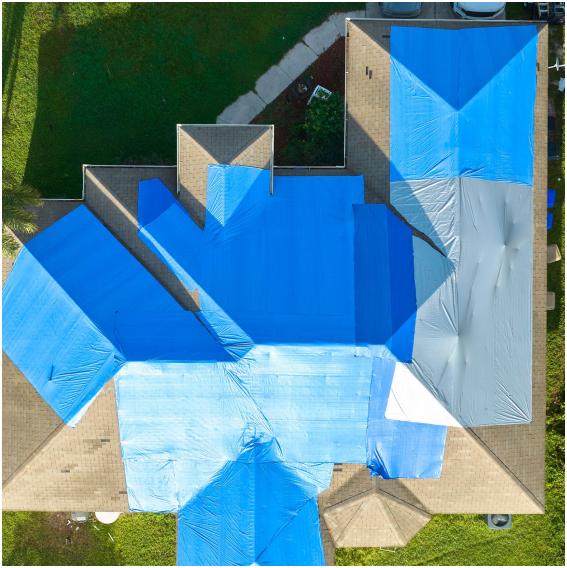
South Jersey doesn't give you much warning when the weather turns. Sewell sits in a region where heavy rain, strong winds, and winter temperature changes can put serious stress on residential roofs in a matter of hours. Older asphalt shingle roofs are especially vulnerable, and when flashing lifts, shingles go missing, or a valley starts letting water through, the damage inside your home can spread fast. A small breach that might have been a quick fix can become a much bigger problem if water reaches your ceilings, insulation, or interior walls before anyone gets on the roof to stop it.
That's where Grand View Roofing & Exteriors comes in. We work with Sewell homeowners who need fast, dependable roof repair when it matters most, whether a storm just rolled through or you've noticed a leak that can't wait for a scheduled appointment. We inspect the roof quickly, contain the leak, and protect your home with temporary measures when needed, so you're not left waiting while water finds its way deeper into your house. Our team knows the common failure points on South Jersey homes, including flashing around chimneys and vents, deteriorating shingle edges, and gutter-related water backup, and we respond with that local knowledge already in hand.
How Emergency Roof Repair Works in Sewell, NJ
A roof leak during a storm follows a clear sequence that focuses first on stopping active water intrusion and then on completing a permanent repair.
- Step 1: Immediate Response and Triage
When you call, we prioritize getting someone to your home fast. We ask a few quick questions about what you are seeing so our crew arrives prepared with the right materials and tools. Speed matters here because every hour of delay gives water more time to spread inside your home. - Step 2: Temporary Stabilization and Protection
If the roof has an active breach, we focus on stopping the immediate damage first. That may mean tarping exposed areas, securing lifted flashing, or temporarily sealing a compromised section. We will not leave your home unprotected while longer-term repairs are being planned. - Step 3: Full Inspection Once Stabilized
With the immediate threat contained, we do a complete inspection of the roof, including shingles, flashing, valleys, penetrations, and gutters. We look at everything that may have contributed to the problem, not just the obvious damage. If there is nothing beyond what we have already addressed, we will tell you that directly. - Step 4: Permanent Solution Planning and Execution
We walk you through exactly what needs to be repaired and why. You get a clear scope of work before anything starts. Most repairs are completed within a few hours to a day, depending on the extent of the damage. - Step 5: Prevention Guidance and Follow-up
After repairs are done, we review the work with you and point out any areas that may need attention down the road. We only recommend future work that is actually warranted, so you have honest information to make decisions about your roof going forward.
Common Emergency Roof Problems in Sewell, NJ
Sewell's mix of older suburban homes and South Jersey's shifting seasonal weather creates a predictable set of roof vulnerabilities. Knowing what typically triggers an emergency call can help you act faster when something goes wrong, and it gives you a clearer picture of what a repair crew will likely find when they get on your roof.
| Roof Issue | Common Cause | Why It Needs Fast Attention |
|---|---|---|
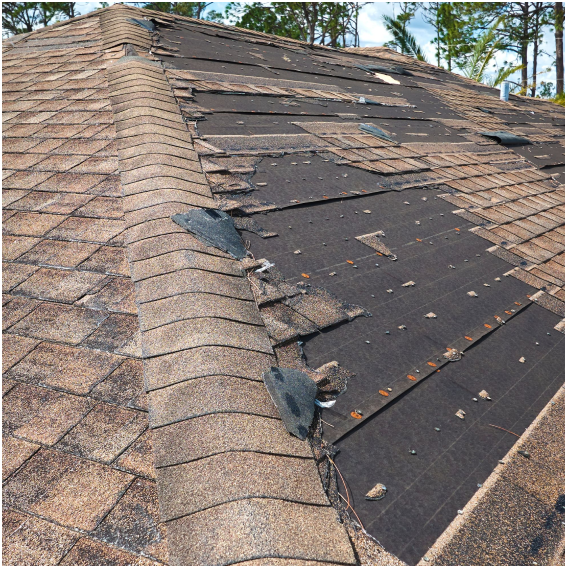
| Missing or lifted shingles | High winds and storm impact | Exposed decking absorbs water quickly, leading to leaks inside the home |
| Flashing failure at chimneys or vents | Age, repeated temperature changes, and storm stress | Opens a direct path for water to enter around roof penetrations |
| Flat roof membrane damage | Ponding water, seam separation, or wind uplift | Even a small breach spreads quickly across a flat surface during heavy rain |
| Valley leaks | Debris buildup and shingle deterioration | Valleys channel large volumes of water and fail fast when compromised |
| Gutter-related water backup | Clogged or damaged gutters forcing water toward the roofline | Drives moisture under shingles and along fascia, causing hidden damage |
Many of these problems start small and become urgent after a single storm or a stretch of wet winter weather. Catching them early through a complete inspection after any significant storm is the most reliable way to keep a minor issue from turning into an expensive repair.
Temporary Tarping for Active Breaches
When a storm tears through and leaves part of your roof exposed, a heavy-duty tarp installed properly can stop water from reaching your ceilings and walls until permanent repairs are made. This kind of immediate protection is especially important in Sewell, where rain can follow storm damage within hours and leave little margin between a contained problem and interior damage.
Shingle-by-Shingle Replacement in Storm-Damaged Areas
Rather than patching over compromised sections, we replace individual shingles or damaged runs to restore a proper weather barrier on your roof. This matters for Sewell homes with older asphalt roofs because patchwork fixes that leave weakened material in place tend to fail again under the next round of wind or heavy rain.
Flashing Re-Sealing and Refastening
Lifted or separated flashing around chimneys, vents, and roof edges is one of the most common entry points for water on South Jersey homes, and it rarely corrects itself. We re-seat, refasten, or replace flashing that has pulled away from its seal so those transitions close off properly before the next storm arrives.
Flat Roof Seam and Membrane Repair
Flat roof sections are especially vulnerable during heavy rain because water has nowhere to drain quickly if a seam opens or the membrane is punctured. We address those breaches directly, resealing seams and patching membrane damage to stop pooling water from spreading into your home's structure.
Get Emergency Roof Repair Done in Sewell, NJ
South Jersey's weather doesn't follow a predictable schedule, and neither do roof emergencies. Whether a storm just moved through or a slow leak has finally reached the point where it can't be ignored, the longer water has access to your home's interior, the more expensive the repair tends to become. Homeowners throughout the Sewell area with older asphalt roofs are especially familiar with how quickly a small problem escalates after a stretch of wet weather or a hard winter with repeated temperature changes. Addressing it fast is simply the most practical way to protect your home and keep repair costs in a manageable range.
Grand View Roofing & Exteriors is ready to respond when you need help. If you have a leak that needs attention or a roof you want inspected after a recent storm, reach out, and we will get someone to your home quickly. There is no pressure, just straightforward answers and dependable work from a team that knows South Jersey roofing well.
Frequently Asked Questions
Can a temporary tarp actually hold up if more rain is coming right after a storm?
A properly installed heavy-duty tarp can protect your home from additional rain, but installation matters a great deal. A tarp that is loosely placed or anchored without accounting for wind will shift or lift, leaving gaps that let water in. In South Jersey, where follow-on rain after a storm is common, we secure tarps in a way that accounts for wind and roof pitch so they hold until permanent repairs can be completed.
My roof isn't leaking inside yet, but shingles are clearly missing after last night's storm. Do I still need emergency repair right away?
Yes, and this is one of the most important things homeowners overlook. The absence of an interior leak doesn't mean water isn't already reaching your roof decking. Exposed decking absorbs moisture quickly, and by the time you see a stain on your ceiling, the damage has already moved past the surface. Getting someone on the roof to protect that area before the next rain keeps what is currently a manageable repair from growing into something much larger.
What makes Sewell-area roofs more likely to develop emergency problems in winter compared to other times of year?
Gloucester County winters involve repeated swings between above-freezing and below-freezing temperatures, sometimes within the same week. That back-and-forth causes flashing to contract and expand, which gradually loosens the seals around chimneys, vents, and roof edges. Shingles on older roofs in the area also become more brittle in the cold, making them more likely to crack or lift during wind events. What starts as a minor flashing gap or a slightly curled shingle edge in the fall can become an active leak by mid-winter after a few rounds of that temperature cycling.