





 24/7 emergency services


 Call Us Today - (856) 305-9883


Emergency Roof Repair in Voorhees, NJ
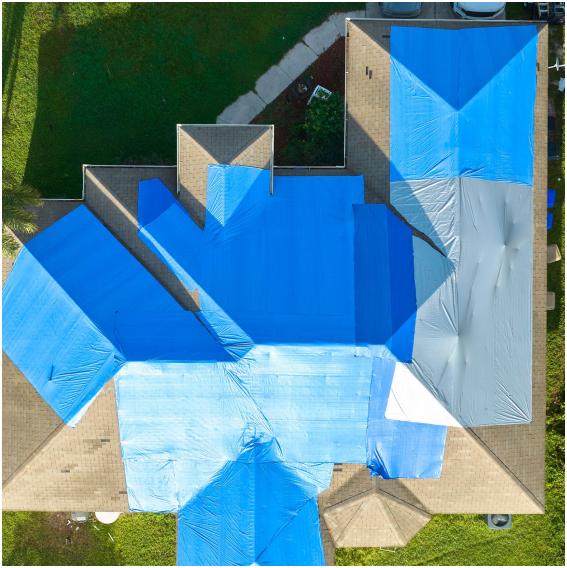
Voorhees sits in a part of New Jersey where the weather rarely gives your roof a break. Spring and summer bring heavy thunderstorms that lift shingles and bend flashing, while winter drops enough snow and ice to push moisture under your roofing materials and cause leaks that start small and spread fast. Many homes in this area were built between the 1950s and 1980s, and older roofing materials simply were not designed to hold up against decades of that kind of stress. When something goes wrong after a storm, waiting even a few hours to address it can lead to mold growth, ceiling damage, and repairs that are far more expensive than they would have been otherwise.
Getting the right help quickly is what makes the difference between a manageable repair and a serious structural problem. Grand View Roofing & Exteriors works with Voorhees homeowners through exactly these situations, whether that means emergency tarping to stop immediate water entry, replacing damaged flashing around a chimney or skylight, or inspecting your roof after a tree limb comes down. If you notice your ceiling sagging, visible daylight coming through your roof structure, or signs of a leak spreading across your ceiling, those are signals to act immediately and keep everyone away from the affected area until a professional can get eyes on the damage.
How Emergency Roof Repair Works in Voorhees, NJ
A roof leak can escalate quickly, but the repair process does not have to feel uncertain. From the moment you contact Grand View Roofing & Exteriors, every step is focused on protecting your home, identifying the source of the problem, and restoring your roof with a clear plan.
- Step 1: Rapid Assessment and Safety Check
Your first call sets the process in motion. We respond quickly to evaluate the situation, beginning with a visual assessment from the ground to identify obvious storm damage, structural concerns, or hazards that could make roof access unsafe. If we notice warning signs such as a sagging roofline or severe structural damage, we explain the immediate precautions to take until the area can be safely inspected. - Step 2: Emergency Weather Protection
If your roof is allowing water inside, containing the damage becomes the immediate priority. We install temporary protective measures, such as professionally secured tarps or other weather barriers, to limit additional leaks while permanent repairs are prepared. Stabilizing the situation first helps reduce the risk of further damage to insulation, drywall, flooring, and personal belongings. - Step 3: Full Damage Evaluation
After the roof has been protected, we perform a detailed inspection of the affected area and the surrounding roof. Flashing, shingles, vents, valleys, skylights, and other common leak locations are carefully examined to determine whether damage extends beyond the obvious problem. We document our findings with photos and clear notes so you have an accurate record of your roof's condition. - Step 4: Repair Plan and Restoration
Once the inspection is complete, we explain exactly what needs attention and why. If a localized repair is all your roof requires, that is what we recommend. When repairs move forward, we restore the damaged sections using materials that integrate properly with the existing roof and are appropriate for local weather conditions, completing the work efficiently without unnecessary additions. - Step 5: Final Review and Ongoing Guidance
Before the job is finished, we inspect the completed repairs and review the results with you. We explain what was repaired, answer your questions, and identify any areas that should simply be monitored over time. You leave with a clear understanding of your roof's condition and confidence that the immediate problem has been properly addressed.
Recognizing a Roof Emergency in Voorhees, NJ
Not every roof problem needs an immediate call, but some situations genuinely cannot wait. Knowing the difference helps you respond faster and protect your home before a manageable issue becomes a much bigger one. In Voorhees, where storms arrive quickly and temperatures swing hard between seasons, the signs of a true emergency can show up fast.
| Warning Sign | What It May Indicate | Recommended Action |
|---|---|---|
| Ceiling sagging or deforming | Structural compromise or significant water accumulation | Evacuate the area and call immediately |
| Visible daylight through the roof | Severe structural damage or missing materials | Keep everyone clear and contact a professional |
| Active leak spreading across the ceiling | Failed flashing or shingle damage allowing water entry | Use buckets, move valuables, call for service |
| Sagging roofline after a storm | Possible cracked or weakened structural beams | Do not attempt roof access; get a professional inspection |
| Ice dam forming along eaves in winter | Moisture being forced under shingles from temperature changes | Avoid disturbing the ice: schedule emergency service |
One thing worth knowing: climbing onto a storm-damaged roof is genuinely dangerous, and it can make the damage worse. A ground-level look with binoculars gives you useful information without putting yourself at risk. Document what you can see with photos or video, open windows near the affected area to keep air moving and reduce the chance of mold taking hold, and let the professionals handle anything that requires getting up on the roof.
Storm Damage Repair Across Multiple Failure Points
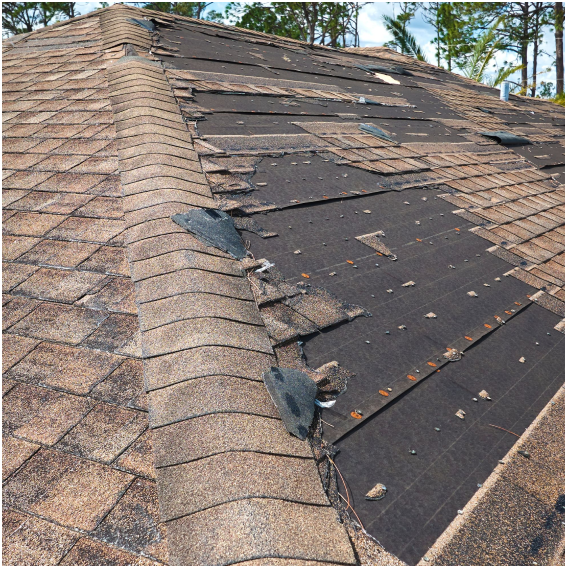
A single storm can damage your roof in several places at once, and fixing only the obvious spot often leaves hidden problems behind. Grand View Roofing & Exteriors addresses lifted and missing shingles, compromised flashing around chimneys, vents, and skylights, and damaged underlayment in a single visit so your home is fully protected, not just patched in one spot.
Winter Emergency Service During Freezing Conditions
Ice dams and storm damage do not wait for warmer weather, and neither do we. Grand View Roofing & Exteriors performs emergency repairs and replacements year-round, including during freezing temperatures, because delaying winter repairs while waiting for ideal conditions allows moisture to keep working its way under your shingles and into your home.
Damage Documentation for Your Records
Before repairs begin, we document the condition of your roof with photos so you have a clear, organized record of what was found and what was done. This is especially useful when older materials are involved, which is common in homes built in Voorhees during earlier decades, and gives you a reference point for any future inspections or conversations with your insurance provider.
Structural Integrity Check Beyond the Surface
Some roof emergencies go deeper than surface materials, and a patch job over a cracked or weakened structural beam will not hold. We check the underlying roof structure for signs of compromise, including sagging roof decking or damaged framing, so that any repair we make is built on a solid foundation rather than applied over a problem that will reappear with the next storm.
Get Emergency Roof Repairs Done in Voorhees, NJ
Voorhees homes take a beating from spring storms, summer thunderstorms, and the kind of winter ice and snow that works moisture into places it should never reach. Homes that have been through decades of that weather cycle are especially vulnerable, and a roof that fails at the wrong moment can create problems that spread quickly into your ceilings, walls, and living spaces. Acting on a roof emergency quickly protects your home from the kind of damage that becomes genuinely expensive to reverse.
If you are dealing with a roof emergency right now, or you recently had a storm pass through and you are not sure what you are working with, Grand View Roofing & Exteriors is ready to help. Reach out, and we will walk you through what comes next, no pressure, just straightforward guidance from a team that knows these roofs and this area well.
Frequently Asked Questions
Can I use a tarp from a hardware store to cover my roof until repairs are scheduled?
A standard tarp can help slow water entry, but how it is secured and how far it extends beyond the damaged area matter a great deal. Tarps that are too small or poorly anchored can shift during the next rainstorm and leave the same area exposed. If you go this route, extend the material well past the damaged zone and weigh it down securely, but understand it is a short-term measure, not a substitute for getting a professional out quickly.
Why do Voorhees homes seem to have more flashing problems than other types of roof damage?
A lot of it comes down to age. Many homes in this area have flashing that was installed decades ago and has been through hundreds of freeze-and-thaw cycles, plus years of heavy summer rain. Flashing around chimneys, skylights, and vents is typically the first place to fail because it relies on sealants and metal bends that degrade over time, and once a small gap opens up, water finds it fast. During any emergency call, the flashing at every transition point gets checked, not just the spot where the leak is showing up inside.
If my roof is actively leaking but the ceiling is not sagging, is it still urgent enough to call for emergency service?
Yes, because what you see on the ceiling is almost always behind what is actually happening inside the roof structure. Water travels along rafters and roof decking before it ever shows up as a drip or stain, which means the affected area is typically larger than it appears. Mold can begin developing in wet insulation and wood within a day or 2, so even a slow, steady drip warrants the same urgency as a more dramatic leak.