





 24/7 emergency services


 Call Us Today - (856) 305-9883


Siding Contractor in Collingswood, NJ
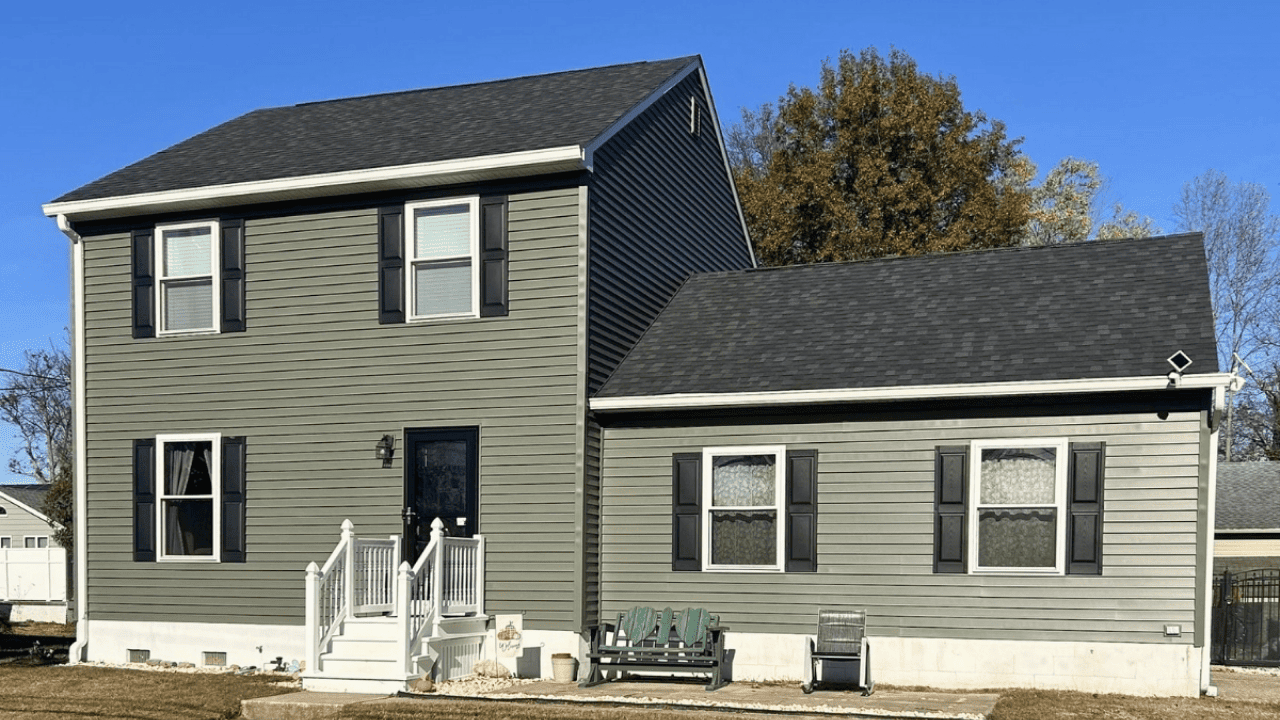
Collingswood sits in a tough spot for exterior materials. Summers push temperatures into the 90s, winters drop close to 20 degrees Fahrenheit, and the area pulls in around 45 to 50 inches of precipitation each year between rain and snow. That kind of weather puts real stress on siding, especially on the older row homes and early 20th-century houses that make up a large part of the housing stock here. Wood and outdated vinyl siding can warp, crack, and absorb moisture over time, and what starts as surface wear can quietly turn into rot and mold hidden behind the siding itself. By the time it becomes visible, the damage often reaches the sheathing or framing underneath.
That is exactly why siding work in Collingswood calls for more than just replacing what is on the outside. A qualified contractor needs to inspect what is behind the existing siding before anything new goes up. At Grand View Roofing & Exteriors, that step is built into every job. We work with homeowners across Collingswood to choose materials suited to this region's weather patterns and to install them correctly so your home is protected from the outside in. Whether your siding is showing its age or you are dealing with damage that goes deeper than the surface, getting the right contractor matters from the start.
How Siding Work Gets Done in Collingswood, NJ
A siding project begins with evaluating the condition of the existing exterior and concludes with a final inspection of the completed installation. The process is designed to identify underlying issues, explain the available solutions, and complete the work according to the project's requirements before the finished installation is reviewed.
- Step 1: Evaluate the Existing Exterior
We begin by inspecting the current siding and the underlying wall assembly to determine the overall condition of the exterior. The inspection looks for damaged siding, moisture intrusion, and signs of deterioration that may affect the installation. When underlying conditions are identified, they are documented before work moves forward. - Step 2: Review the Findings and Recommendations
After the inspection, we explain the results in clear, straightforward terms. If repairs are sufficient to address the issues, we discuss that option and explain why replacement may not be necessary. When the condition of the exterior supports a full siding replacement, we review the reasons behind that recommendation. - Step 3: Select Materials and Prepare the Project
Once the project direction is established, we review siding material options that are appropriate for the home and local climate. We then prepare a detailed quote outlining the proposed work, materials, and installation details so you understand the project before installation begins. - Step 4: Complete the Siding Installation
The installation includes securing the new siding with appropriate fastening methods and integrating moisture management details behind the exterior cladding where required. Any necessary permits are addressed before work proceeds, and the installation is completed according to the project specifications. - Step 5: Inspect the Completed Installation
After installation is complete, we perform a final inspection of the finished exterior. We review the siding, trim, transitions, and sealed joints to verify the work has been completed as planned, explain what was completed, and answer any remaining questions before the project is finished.
Siding Materials That Work in Collingswood, NJ
Not every siding material holds up equally well in this part of New Jersey. Between the humidity, the heavy precipitation, and the wide swing in temperatures from winter to summer, your choice of material makes a real difference in how long your siding lasts and how much maintenance it demands over the years.
| Material | Best For | Key Consideration in Collingswood |
|---|---|---|
| Fiber cement siding | Long-term durability | Resists warping, cracking, and moisture; handles temperature changes well |
| Vinyl siding | Budget-friendly replacement | Look for UV-resistant options to reduce fading and brittleness over time |
| Engineered wood siding | Wood appearance without the upkeep | More resistant to moisture than traditional wood; better suited for humid conditions |
Fiber cement is the most popular choice among Collingswood homeowners right now, and for good reason. It stands up to the region's wet seasons, does not warp under heat, and holds paint well over time. For older row homes where hidden rot behind the existing siding is a real concern, starting fresh with fiber cement and proper rain-screen spacing behind the panels gives your home a much stronger defense against future moisture problems. Whatever material you choose, proper installation makes as much difference as the material itself.
Corrosion-Resistant Fasteners & Hardware
Living close to the Mid-Atlantic coast means salt air is a real factor, even this far inland. Every installation includes corrosion-resistant fasteners throughout to keep the siding securely attached over the long term without rust working its way through the panels.
Caulking at All Transitions & Gaps
Where siding meets windows, doors, corners, and trim is where water finds its way in. We seal every transition and penetration with quality caulk rated for exterior exposure, reducing the risk of leaks and keeping moisture out of the wall cavity behind your siding.
Structural Sheathing Repair When Needed
If the inspection turns up rot or damage in the sheathing or framing beneath your existing siding, we address it before anything new goes up. Skipping that step means installing new siding over a compromised base, and that leads to bigger, more expensive problems down the road.
Permit Coordination for Full Replacements
Full siding replacements in Collingswood can trigger permit requirements depending on how much structural sheathing is being replaced. We handle the coordination with your municipality, so you stay compliant with local codes without having to track it down yourself.
Get New Siding Installed in Collingswood, NJ
Collingswood's mix of wet summers, cold winters, and high year-round moisture puts more wear on siding than many homeowners expect, particularly on older homes where the material underneath may already be compromised. Replacing or repairing your siding with the right materials and proper installation means your home is better protected going forward, your property value holds up, and you avoid the kind of repair costs that come from letting small problems sit too long. Spring and early fall tend to be the best times to schedule siding work, when moderate temperatures allow materials to set correctly, though our team works with your schedule year-round.
Grand View Roofing & Exteriors has worked with homeowners across Collingswood and understands what this area demands from exterior materials. If your siding is showing wear, or you just want to know where things stand, reaching out is an easy first step. We are happy to take a look and give you a straight answer.
Frequently Asked Questions
Do I need a permit to replace siding on my Collingswood home?
In most cases, a straight siding replacement does not require a permit unless the work involves replacing more than 25% of your structural sheathing. That said, permit rules can vary by municipality, so it is always worth confirming with Collingswood's local office before work begins. A reputable contractor will help you understand what applies to your specific job so you stay on the right side of local codes.
How does salt air from the coast affect siding in Collingswood?
Even though Collingswood is not right on the water, Mid-Atlantic salt air still travels inland and can accelerate rust and corrosion on exposed fasteners and metal trim. Over time, that corrosion works behind the siding and weakens the attachment points holding it to your home. Using corrosion-resistant fasteners and hardware from the start is one of those installation details that does not get much attention but makes a real difference over the life of your siding.
What is a rain-screen gap and why does it matter for homes in this area?
A rain-screen gap is a small space left between the back of your siding panels and the wall sheathing beneath them, allowing air to circulate and moisture to dry out rather than sit trapped against the wall. In a region that sees close to 50 inches of annual precipitation, that drying gap reduces the risk of mold and rot building up behind your siding over time. Older Collingswood homes are especially prone to this kind of hidden moisture damage, so proper rain-screen spacing during installation is one of the most valuable things a contractor can do for the long-term health of your exterior.