





 24/7 emergency services


 Call Us Today - (856) 305-9883


Trusted Siding Contractor in Oaklyn, NJ
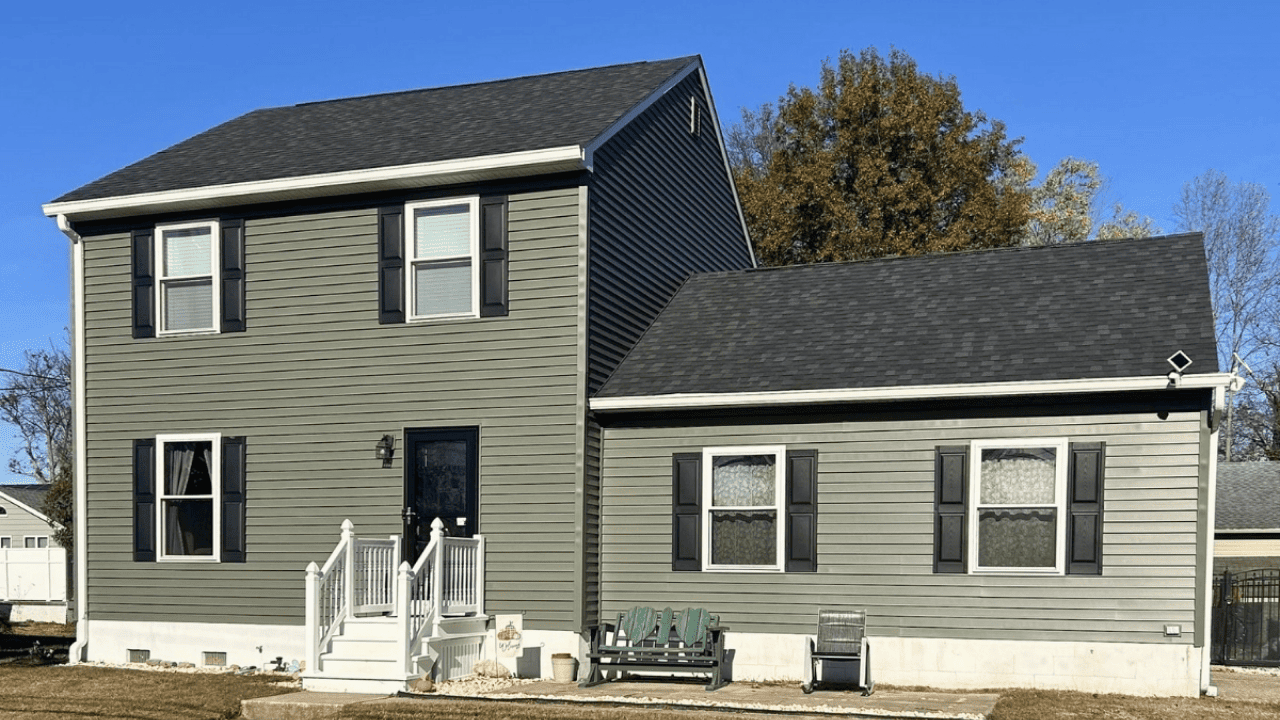
Oaklyn homes take a beating from the weather year-round. The summers bring thick humidity and afternoon thunderstorms, and the winters arrive with heavy snow and sharp temperature changes that cause siding to expand and contract with every passing cold snap. For many homes in the area, that kind of constant stress adds up over time, especially on older single-family homes that are still wearing their original siding from decades ago. When siding starts to crack, warp, or pull away from the wall, it stops doing its job, and water finds a way in. Left alone, what starts as surface wear can turn into rotted sheathing, mold growth, and damage that runs far deeper than the siding itself.
That is exactly the kind of problem Grand View Roofing & Exteriors is built to handle. We work with homeowners across Oaklyn and the surrounding Camden County area, and we understand how the local weather conditions wear on exterior materials season after season. Our team inspects the full exterior picture before any new siding installation goes up, checking the underlying structure for moisture damage and making sure a proper barrier is in place before installation begins. Fiber cement and insulated siding are popular choices here for good reason: they hold up against humidity, resist mold, and stay stable through New Jersey's wide swings in temperature. Your home deserves siding that is built to last in this climate, not just look good on day 1.
How Our Siding Process Works in Oaklyn, NJ
A siding project begins with evaluating the condition of the existing exterior and concludes with a final inspection of the completed installation. Grand View Roofing & Exteriors follows a structured process that identifies existing conditions, explains the available solutions, completes the installation, and reviews the finished work before the project is complete.
- Step 1: Evaluate the Existing Exterior
We begin by inspecting the current siding, the underlying wall structure where accessible, and any soffit or fascia boards associated with the project. The inspection identifies moisture damage, rot, deteriorated materials, and other conditions that may affect the installation. This evaluation establishes the work required before new siding is installed. - Step 2: Review the Findings and Recommendations
After the inspection, we explain the results in clear terms and discuss the available options. If the existing siding can be repaired, we explain why that approach is appropriate. When replacement is recommended, we review the conditions that support installing new siding so you can make an informed decision. - Step 3: Plan the Installation
Once the project direction has been established, we review siding material options that are appropriate for the home and local climate. A detailed quote is then prepared outlining the planned work, materials, installation methods, and project timeline so you understand what is included before installation begins. - Step 4: Complete the Siding Installation
The installation includes removing the existing siding, repairing damaged sheathing where necessary, installing a weather-resistant barrier, and fitting the new siding according to the manufacturer's installation requirements. Each stage is completed with attention to moisture management, fastening, and proper alignment. - Step 5: Inspect the Completed Installation
After installation is complete, we perform a final inspection of the finished exterior. We review the siding, seams, trim, and transition points to verify the installation has been completed according to the project plan, explain the completed work, and address any remaining questions before the project is finished.
Siding Materials & Timing in Oaklyn, NJ
Choosing the right siding material matters more than most homeowners realize, especially in a climate like Oaklyn's where summer humidity and winter temperature changes put constant pressure on exterior surfaces. The material you select determines how well your home holds up over the long run, not just how it looks after installation. Spring and fall tend to be the best windows for siding work here, with temperatures typically in the 60s and 70s and lower humidity allowing materials to set and seal properly.
| Siding Material | Best Suited For | Key Benefit in Oaklyn |
|---|---|---|
| Fiber-cement siding | Homes needing long-term durability | Resists moisture, mold, and temperature changes |
| Insulated siding | Older homes with energy efficiency concerns | Reduces heat loss and improves curb appeal |
| Vinyl siding | Budget-conscious full replacements | Low maintenance and moisture resistant |
| Wood siding | Homes where appearance is the priority | Classic look with proper sealing and upkeep |
Many Oaklyn homes were built in the mid-20th century, and the original siding on those houses has often reached the end of its useful life. When the underlying structure is aging too, material selection and proper installation technique become even more important for protecting your home through decades of New Jersey weather.
Soffit & Fascia Board Work
Siding installation often reveals soffit and fascia boards that have been quietly taking on moisture damage for years. We inspect and replace these parts as needed, so your entire exterior is protected, not just the siding itself.
Moisture Barrier Installation
Before any new siding goes on, we install a proper moisture barrier across the exterior surface. This layer is what stands between Oaklyn's summer humidity and the wood framing underneath your siding, and skipping it or doing it poorly leads to mold and rot no matter how good the siding material is.
Structural Sheathing Repairs
Older homes in the area often have sheathing that has absorbed years of moisture by the time the siding comes off. We repair or replace damaged sections before installation begins so your new siding has a solid, dry surface to attach to.
Trim, Seam & Edge Finishing
The areas around windows, doors, corners, and J-channel are where siding failures most often start. We finish every edge and transition point with care, because a tight seal in these spots is what keeps water out through years of rain, snow, and temperature swings.
Get Quality Siding Installed in Oaklyn, NJ
Your home's exterior faces a lot over the course of a year in this part of New Jersey. The humidity that settles in during summer, the snow and temperature swings that come with winter, and the steady rain that falls through every season all put pressure on siding in ways that build up quietly over time. Good siding does more than improve how your home looks. It protects the structure underneath, helps keep energy costs down, and spares you from the far more expensive repairs that follow when moisture gets behind the wall and stays there.
If your siding is showing its age or you just want a straight answer on whether it needs attention, Grand View Roofing & Exteriors is a good place to start. We work with homeowners across Oaklyn and are familiar with what the local weather asks of exterior materials. Reach out when you are ready, and we will take a look.
Frequently Asked Questions
Why do so many Oaklyn homes need sheathing repairs when the siding comes off?
A lot of homes in this area were built in the mid-20th century, and the original siding on those houses has often been absorbing moisture for decades without anyone knowing. Once the old siding is removed, it’s common to find soft spots, rot, or mold in the sheathing underneath, especially around windows, corners, and anywhere a seal has failed over the years. Skipping those repairs and installing new siding over compromised wood shortens the life of the entire job and can lead to much more expensive structural work down the road.
Does Oaklyn's inland location actually affect which siding materials hold up best?
It does, in a few practical ways. Because Oaklyn sits inland rather than along the coast, salty air is not a concern, but the trade-off is more dramatic temperature swings and heavier snow than shore communities typically see. That kind of weather puts real stress on siding materials that expand and contract with the seasons, which is one reason fiber cement and insulated siding tend to perform better here than materials that are more vulnerable to cracking under repeated temperature changes.
What should I know about J-channel and trim before my siding installation starts?
Most homeowners focus on the siding panels themselves and do not think much about the trim, corners, and J-channel until after installation is complete. Those transition points are actually where the majority of siding failures begin, because even a small gap at a window edge or corner can let water work its way behind the wall over time. Getting those details right during installation is far easier than addressing water damage after the fact, so it’s worth asking your contractor specifically how they handle edge and seam finishing before the job begins.