


 24/7 emergency services

 Call Us Today - (856) 305-9883
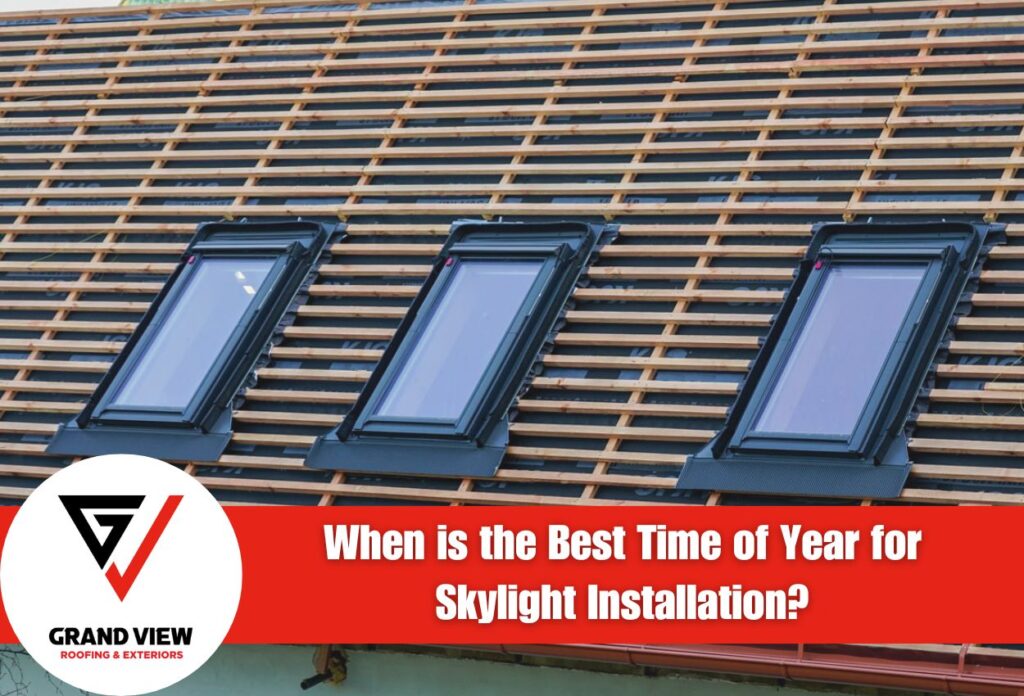
The timing of a skylight installation can be the difference between a smooth, efficient project and a challenging ordeal filled with delays and complications. Weather conditions during the skylight installation play a crucial role in determining how quickly contractors can complete the work and how well the finished product performs in your home.
Spring and early fall typically emerge as the optimal time for skylight installation in South Jersey. These seasons offer moderate temperatures, lower humidity levels, and more predictable weather patterns that allow roofing professionals to work safely and effectively. During these periods, contractors can properly seal and waterproof the installation without battling extreme heat, freezing temperatures, or frequent storms.
Understanding when to install skylights involves more than just checking the weather forecast. Seasonal skylight installation timing affects material performance, worker safety, and the overall quality of the finished project. Cold weather can make sealants less effective and materials more brittle, while extreme heat can create uncomfortable working conditions and cause some materials to expand unexpectedly.
A skylight installation project should also consider your home’s specific needs and your family’s schedule. Planning this upgrade requires looking closely at seasonal factors that directly impact both the installation process and long-term performance of your new skylights.
Spring Installation: Advantages and Weather Considerations
Spring is an optimal time for skylight installation due to its mild weather conditions and practical benefits. The temperatures typically range from 60 to 75 degrees Fahrenheit and create comfortable working conditions for roofing contractors, allowing them to perform precise installation work without the extreme heat or cold that can affect material handling and worker safety.
The lower humidity levels during spring provide significant advantages for skylight installations. Reduced moisture in the air minimizes condensation issues and allows sealants and adhesives to cure properly, ensuring watertight installations. These conditions also reduce the likelihood of unexpected weather delays that commonly occur during other seasons.
Additionally, spring timing allows homeowners to address any minor roofing issues discovered during the installation process before summer heat places additional thermal stress on roof systems. This helps prevent small problems from turning into expensive repairs during peak summer, when contractors are often the busiest.
Skylight installation during spring also provides contractors with better visibility and safer working conditions. Longer daylight hours and stable weather patterns enable thorough inspections of the installation area and proper assessment of structural requirements. The moderate conditions allow for careful attention to flashing details and weatherproofing measures that are critical for the long-term performance of the skylight system.
Summer Installation: Challenges and Heat-Related Factors
Summer presents specific obstacles that make it challenging for skylight installation projects. Extreme temperatures often exceeding 90 degrees Fahrenheit create harsh working conditions for installation crews, leading to reduced productivity and increased safety concerns. The intense heat can cause roofing materials to become extremely hot to the touch, making precise handling difficult and potentially dangerous for contractors working on elevated surfaces.
Weather conditions during the summer can be problematic due to material expansion and performance issues. High temperatures cause roofing materials, flashing, and sealants to expand beyond their normal specifications, which can compromise the precision required for fitting and sealing. These thermal changes affect how materials bond together, potentially creating gaps or weak points in the weatherproofing system.
Summer storms are another major challenge to consider when determining the best time of year for skylight installation. Sudden thunderstorms, heavy rainfall, and high winds can appear with little warning, forcing contractors to halt work immediately and secure the installation area. These weather interruptions not only delay project completion but also create additional complications when protective coverings must be repeatedly installed and removed.
The seasonal challenges extend beyond immediate installation concerns. Summer heat can cause sealants to cure too quickly, preventing complete adhesion, while UV exposure can degrade certain materials before the project is completed. While summer may seem like the ideal time to install skylights, the combination of extreme heat and unpredictable storms can cause numerous issues during the project.
Fall Installation: The Ideal Time for Skylight Projects
Autumn is an ideal window for skylight installation, offering reliable and consistent weather conditions throughout the entire project timeline. Fall’s stable atmospheric patterns create predictable working conditions that allow contractors to plan and execute installations without the sudden weather changes that characterize other seasons. The moderate temperatures typically ranging between 55 and 70 degrees provide optimal conditions for material handling and precise installation work.
The advantages of seasonal skylight installation during fall extend beyond simple weather considerations. Autumn’s lower humidity levels and reduced precipitation create ideal conditions for sealants and weatherproofing materials to cure properly. These stable weather conditions for skylight installation allow contractors to complete projects efficiently while ensuring all components bond correctly for long-term performance.
Plus, completing skylight installation before winter arrives provides significant energy efficiency benefits during the coldest months of the year. New skylights installed in the fall have time to settle before heating systems begin working overtime. This timing allows homeowners to maximize natural light during shorter winter days while benefiting from improved insulation properties of modern skylight systems.
Fall installations also provide practical scheduling advantages. Skylight projects generally become less competitive during autumn months, as many homeowners delay projects until spring. This reduced demand often results in better contractor availability and more flexible scheduling options.
Winter Installation: Risks and Cold Weather Limitations
Winter stands as the most problematic season for skylight installation, creating numerous safety hazards and technical challenges that make successful projects significantly more difficult. Freezing temperatures, snow accumulation, and ice buildup transform routine installation procedures into dangerous undertakings that require extensive safety precautions and specialized equipment. These harsh conditions force contractors to work slower and more cautiously, often leading to extended project timelines and increased complications.
Cold weather fundamentally alters how materials behave during installation. Subfreezing temperatures cause sealants, adhesives, and flashing materials to become rigid and brittle, making them prone to cracking or breaking during handling. Many weatherproofing products simply cannot cure properly in cold conditions, compromising their ability to create watertight seals around the skylight frame.
Weather conditions during the winter months present additional structural challenges that affect long-term performance. Snow and ice dams can stress roof systems beyond normal specifications, while thermal cycling between freezing and thawing temperatures causes materials to expand and contract repeatedly. These conditions make it nearly impossible to achieve the precise measurements and stable working environment required for professional skylight installation.
Overall, skylight installation is not recommended during winter due to these material limitations and safety concerns. Contractors may refuse winter installation requests or charge premium rates to account for additional risks and specialized cold-weather procedures required to complete projects safely.
Planning Your Skylight Installation and Preparing for the Weather
Successful skylight installation requires coordinating between homeowners and contractors to determine optimal weather windows and prepare properties for construction. The planning process begins several weeks before the scheduled installation date, allowing sufficient time to monitor weather patterns and make necessary adjustments to ensure ideal conditions throughout the project duration.
Property preparation involves clearing the installation area of outdoor furniture, vehicles, and landscaping elements that could interfere with contractor access or become damaged during the project. Homeowners should also secure indoor spaces directly below the planned skylight location by removing furniture and covering remaining items with protective materials to prevent damage from debris or unexpected weather exposure.
Weather monitoring becomes a collaborative effort between property owners and installation teams during the weeks leading up to the scheduled project date. Professional contractors typically track extended weather forecasts and communicate regularly with clients about potential schedule adjustments needed, which prevents rushed installations during marginal weather that could compromise long-term performance.
Preparation also includes establishing backup installation dates during favorable weather windows. Contractors experienced with skylight installation understand that flexibility in scheduling often determines project success, particularly during transitional seasons when weather patterns can change rapidly and unpredictably.
Regional Climate Considerations for South Jersey Homeowners
South Jersey’s unique Mid-Atlantic climate creates specific seasonal patterns that significantly influence skylight installation timing and success rates. The region experiences distinct weather transitions that affect when to install skylights, with spring arriving earlier than northern regions and fall extending later into the year. These extended moderate weather periods provide South Jersey homeowners with broader windows for optimal skylight installation compared to areas with harsher climate extremes.
Local humidity patterns play a crucial role in determining the best time of year for skylight installation in this coastal-influenced region. South Jersey’s proximity to the Atlantic Ocean creates elevated moisture levels during the summer months. These conditions can interfere with sealant curing and create condensation issues during installation, making spring and fall ideal seasons for roofing contractors working on skylight projects.
Temperature fluctuations in South Jersey follow predictable patterns that experienced roofing contractors use to plan seasonal skylight installations. Winter temperatures rarely drop below 20 degrees for extended periods, while summer heat typically peaks in the mid-80s rather than reaching the extreme temperatures found in other regions. However, the area’s weather conditions still favor the traditional spring and fall installations due to precipitation patterns and storms.
Precipitation affects skylight installation preparation throughout the year, with South Jersey often seeing more rainfall during late summer and early fall. Keeping these regional weather patterns in mind helps homeowners plan skylight installation projects around predictable dry periods that ensure successful completion and long-term performance.
Discover the Best Time of Year for Skylight Installation with Grand View Roofing & Exteriors
The timing of your new skylight installation can impact the success and cost-effectiveness of your project. In South Jersey, where weather conditions vary dramatically across seasons, selecting the right time is crucial. At Grand View Roofing & Exteriors, we recommend the mild and stable weather in spring or fall for your skylight installation. These seasons provide the ideal conditions for our expert team to deliver efficient and high-quality installation without the complications of extreme weather.
Spring offers lower humidity and gentle temperatures, which are perfect for setting up your skylight. It also allows time to address any adjustments before the harsh summer heat. On the other hand, autumn presents stable weather patterns and cooler temperatures, ensuring the installation is completed before the onset of winter.
To schedule your skylight installation or discuss the best timing for your project, call us today at (856) 305-9883. Let Grand View Roofing & Exteriors help you enhance your home with the perfect skylight, installed at just the right time.