

 24/7 emergency services

 Call Us Today - (856) 305-9883


Can You Install Shingles Over Existing Shingles? What Every Homeowner Should Know
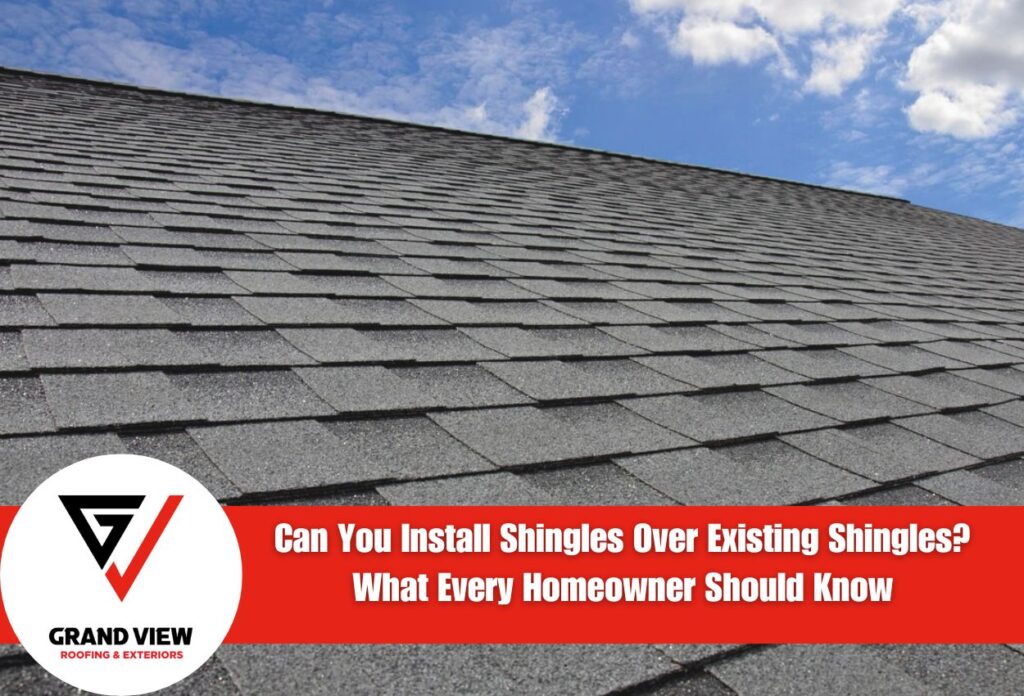

Many homeowners facing roof repairs wonder if they can install new shingles directly over their existing roof instead of removing the old materials first. This approach, known as a roof overlay or layover installation, has become an increasingly popular consideration for residential roofing projects due to saving time and labor costs.
A shingle overlay involves placing new roofing materials directly on top of the current roof surface, creating multiple layers of protection. This method differs significantly from a complete roof replacement, where contractors strip away all existing materials down to the roof deck before installing new shingles. While overlay installation might seem like a straightforward solution, the decision requires careful evaluation of several important factors.
Building codes for shingle installation vary by location and typically limit the number of shingle layers allowed on residential structures. The requirements for a shingle overlay include specific conditions that must be met before proceeding with an overlay project. Understanding when to remove old shingles versus when overlay installation is appropriate can help homeowners make informed decisions about their roofing needs.
Building Code Requirements for Double Layer Roofing Systems
Local building codes strictly regulate shingle overlay installations to ensure structural safety and proper installation standards. Most residential building codes limit roofing systems to a maximum of two shingle layers, meaning homeowners can install shingles over existing shingles only once before complete removal becomes mandatory. These regulations exist because additional layers create significant weight that can compromise structural integrity.
Permit requirements for overlay projects typically mandate a professional inspection of the existing roof condition before approval. Building officials evaluate factors such as the current shingle type, roof deck condition, and overall structural capacity to determine if the building can safely support the additional weight. The requirements for double-layer roofing often include specific fastener lengths and installation techniques to properly secure materials through multiple layers.
Structural considerations mandated by construction regulations address load-bearing capacity, ventilation requirements, and fire safety standards. Building codes for shingle installation specify that the existing roof surface must be relatively flat and free from significant damage or deterioration. When existing shingles show extensive wear, curling, or missing sections, codes typically require complete removal rather than overlay installation.
Essential Requirements Your Roof Must Meet Before Adding New Shingles
Before proceeding with an overlay installation, the existing roof must undergo a thorough evaluation to determine its suitability for supporting additional shingle layers. The structural integrity assessment focuses on the roof’s current weight-bearing capacity and overall condition to prevent future complications.
The roof deck represents the foundation for any successful overlay project and must demonstrate adequate stability throughout the entire surface area. Professional contractors examine the deck for signs of sagging, water damage, or deterioration that could compromise the installation. Areas showing soft spots, rot, or structural weakness automatically disqualify the roof from overlay consideration, making complete removal necessary.
Current shingle attachment quality plays an important role in determining overlay feasibility. Loose, curling, or damaged shingles create an uneven surface, which can cause further issues or mean that there is a deeper issue that needs fixing before work can be done. Evaluating the existing condition of the roof includes checking for missing shingles, exposed fasteners, and granule loss that could affect the new layer’s performance. When more than 25% of existing shingles show significant wear or damage, removal typically becomes the recommended approach.
Weight-bearing capacity calculations must account for the combined load of existing materials plus the new shingle layer. This assessment considers factors such as roof pitch, rafter spacing, and local snow loads. Roofs that already approach maximum load limits cannot safely accommodate additional layers, regardless of surface condition. These requirements for double layer roofing ensure long-term structural stability and prevent costly roof overlay problems.
Major Drawbacks of Installing Shingles Over Existing Layers
While overlay installation offers certain advantages, significant drawbacks accompany this roofing approach that homeowners must carefully consider. The cons of layering shingles extend beyond initial installation and can create long-term complications that may outweigh any short-term benefits.
Weight concerns represent the most serious issue when installing shingles over existing layers. Each standard shingle layer adds approximately 2.5 to 4 pounds per square foot to the roofing structure, creating an increased weight on rafters, trusses, and support beams. This excessive weight can cause gradual structural sagging, compromised load-bearing capacity, and potential damage to roof frames over time. Older homes with traditional framing may lack the structural capacity to handle double-layer installations safely.
A reduced lifespan becomes inevitable with overlay installations compared to complete roof replacement methods. The trapped moisture between shingle layers creates heat buildup that accelerates material deterioration and reduces overall system performance. Most manufacturers significantly limit or void warranty coverage for shingles installed over existing layers, leaving homeowners without protection against premature failure.
Warranty limitations create additional financial risk for property owners choosing overlay installation. Standard manufacturer warranties typically require installation over a clean roof deck, making overlay installations ineligible for full coverage. These roof overlay problems can result in expensive repairs and replacements that fall entirely on the homeowner.
Common Problems That Arise from Roof Overlay Projects
Roof overlay installations frequently encounter specific challenges that can compromise both the immediate installation quality and long-term roof performance. These complications often emerge during the installation process and may continue developing throughout the roof’s lifespan, creating ongoing maintenance concerns for homeowners.
Installation challenges begin with achieving proper alignment on uneven surfaces created by existing shingle layers. The underlying roofing material creates an irregular foundation that makes it difficult to establish straight lines and consistent spacing for new shingles. Contractors must work around existing ridges, valleys, and raised areas that can prevent proper shingle placement and create visible installation defects. These alignment issues become particularly problematic around roof penetrations, edges, and transition areas where precise fitting is essential.
Uneven surfaces also complicate fastener installation, as nails and screws must go through multiple layers while achieving proper depth and holding power. The varying thickness across different areas can result in overdriven or underdriven fasteners that compromise wind resistance and water protection. Difficulty achieving proper shingle alignment often leads to gaps, overlaps, or misaligned patterns that affect both appearance and performance.
Long-term performance issues frequently develop as moisture becomes trapped between shingle layers, creating an environment for premature material breakdown. This moisture retention problem accelerates granule loss, backing deterioration, and adhesive failure. The compromised ventilation in double-layer systems prevents proper moisture evaporation, leading to premature failure that requires costly repairs or complete roof replacement years before expected.
When Removing Old Shingles Becomes the Better Choice
Despite the potential cost savings of overlay installation, certain conditions make complete shingle removal the only viable option for maintaining roof integrity and performance. These situations require homeowners to invest in full roof replacement rather than attempting to layer new materials over compromised existing systems.
Signs of underlying damage that require complete shingle removal include visible roof deck sagging, water stains on interior ceilings, and extensive granule loss across the existing roof surface. When contractors discover soft spots during inspection, this indicates deck deterioration that cannot support additional shingle weight. Missing or severely damaged shingles expose the underlying structure to moisture penetration, creating conditions that make overlay installation impractical and potentially dangerous.
Situations where deck repairs become necessary automatically eliminate overlay options since contractors must access the structural components directly. Homes requiring insulation upgrades face similar constraints, as proper installation demands removing existing materials to access the roof cavity. When multiple penetrations need repositioning or repair, the extensive work involved makes complete removal more cost-effective than attempting to work around existing layers.
Understanding when to remove old shingles becomes critical when dealing with roofs that already have two layers, as building codes for shingle installation prohibit additional overlays. Properties with significant structural issues, inadequate ventilation, or extensive leak damage require complete removal to address underlying problems effectively. These conditions make overlay installation a temporary fix that delays necessary repairs rather than providing a lasting solution.
Making the Right Decision for Your Roofing Project
Choosing between overlay installation and complete roof replacement requires careful evaluation of multiple factors that directly impact both project costs and long-term performance. The decision process involves analyzing current roof conditions, structural capacity, and future maintenance expectations to determine the most suitable approach for each specific situation.
Cost comparison factors between overlay installation and complete roof replacement options extend beyond initial installation expenses. While overlay projects typically cost 20% to 30% less upfront, potential roof overlay problems can create unexpected expenses throughout the system’s lifespan. Complete replacement offers better long-term value through extended material life, full warranty coverage, and the opportunity to address underlying structural issues before they become major problems.
Timeline considerations also influence the decision-making process, as overlay installations generally require less labor time and create minimal disruption to daily routines. However, the cons of layering shingles include shortened system lifespan and potential need for earlier replacement compared to complete roof renovation. Property owners must weigh immediate convenience against long-term performance and financial implications.
Professional consultation benefits become essential when evaluating contractor recommendations for specific situations. Experienced roofing contractors can accurately assess structural capacity, identify potential complications, and provide a detailed analysis of both installation options. Their expertise helps homeowners understand when to remove old shingles and when an overlay installation might be appropriate. This professional guidance ensures informed decision-making that aligns with both budget constraints and performance expectations for the best roofing investment outcomes.
Expert Roofing Services from Grand View Roofing & Exteriors
Deciding whether to install new shingles over existing ones can be complex. At Grand View Roofing & Exteriors, we provide evaluations to ensure your roofing decisions are both safe and effective. Understanding the specific needs of your roof is crucial, and our experts are here to guide you through the process. Considerations such as structural integrity, local building codes, and potential long-term issues are all part of our thorough consultation service. Don’t compromise on the health of your home’s exterior.
If you’re facing decisions about roof overlay or replacement, call us today at (856) 305-9883. Let Grand View Roofing & Exteriors help you make the right choice with confidence and ensure your roof’s longevity and performance.