

 24/7 emergency services


 Call Us Today - (856) 305-9883


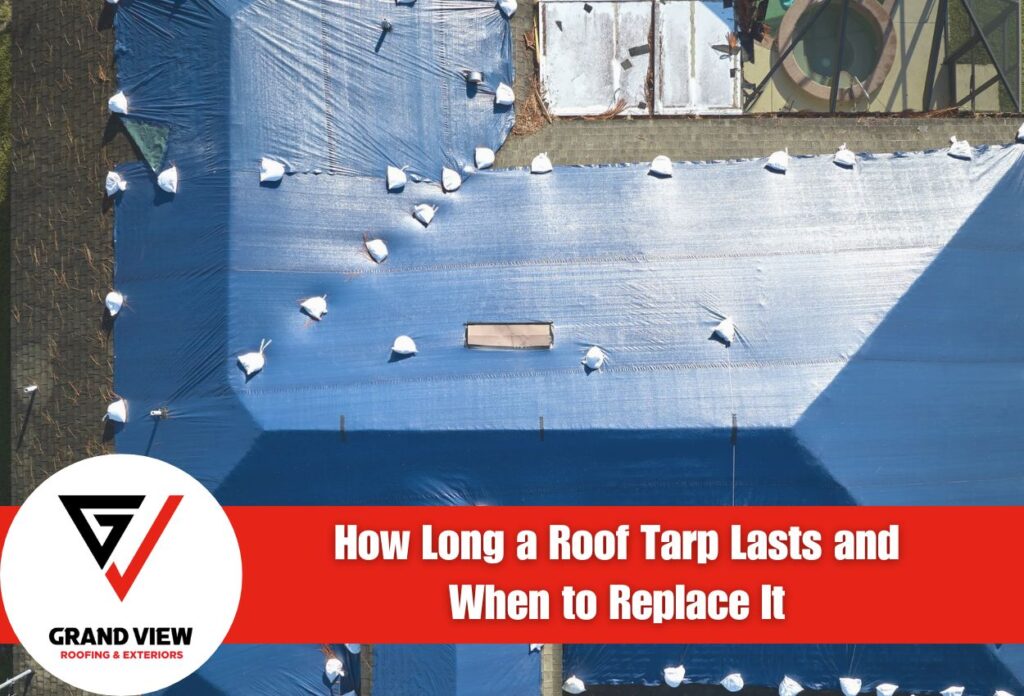

A damaged roof can quickly turn into a homeowner’s worst nightmare. When storms roll through or unexpected damage occurs, a roof tarp often becomes the first line of defense against water intrusion and further deterioration. Understanding how long a roof tarp lasts is critical for anyone facing emergency roof repairs.
Most roof tarps protect for approximately 90 days under normal weather conditions. However, the actual lifespan of the roof tarp varies significantly based on several factors: The quality of materials used, installation methods, weather exposure, and the severity of the underlying damage all play important roles in determining temporary roof covering duration.
Heavy-duty polyethylene tarps typically outlast standard options, and professional installation extends protection compared to DIY attempts. Wind, rain, snow, and intense sunlight gradually wear down even the most durable tarps. UV rays break down materials over time, and high winds can create stress points that lead to tears and failure.
Homeowners who rely on roof tarps need realistic expectations about this temporary solution. While emergency roof tarp replacement becomes necessary as materials degrade, these protective covers serve an essential purpose.
Understanding Roof Tarp Materials and Their Durability
The material composition of a roof tarp directly impacts how long it will effectively protect a damaged roof. Heavy-duty vinyl tarps represent the premium option for temporary roof covering, offering superior resistance to weather elements compared to standard alternatives. These reinforced tarps typically feature multiple layers with polyester scrim reinforcement, creating a barrier that withstands harsher conditions for extended periods. Standard poly tarps, while more affordable, provide adequate protection for shorter timeframes and deteriorate rapidly under continuous sun exposure and weather stress.
Mesh count ratings and thickness measurements serve as key indicators of the lifespan of the roof tarp. A higher mesh count, which refers to the number of fabric threads per square inch, translates to greater tear resistance and overall durability. Thickness, measured in mils, also determines protective capability. Professional-grade tarps typically range from 12 to 20 mils thick, while economy versions may measure only 5 to 8 mils. Thicker materials better resist punctures from debris and handle the constant expansion and contraction caused by temperature fluctuations. When evaluating when to replace roof tarp coverings, homeowners should inspect for signs of UV degradation, including brittleness, discoloration, and weakened attachment points that compromise the roof tarp.
Weather Conditions That Shorten Your Roof Tarp Life
Environmental factors play the most significant role in determining how long a roof tarp lasts on a damaged roof. Sun exposure presents one of the greatest threats to tarp longevity, as ultraviolet rays steadily break down the molecular structure of tarp materials. This process causes the material to become brittle and weak, eventually leading to cracks and tears that allow leaks. South Jersey experiences substantial sun exposure throughout the year, which accelerates this UV damage and reduces the typical lifespan considerably compared to shaded installations.
Changing weather is a constant issue with temporary tarps.
- Wind creates constant stress on tarped roofs through lifting forces and flapping motion that gradually loosen fasteners and create weak points in the material.
- Rain adds weight to tarps while simultaneously working through any small openings or compromised areas, expanding damage over time.
- Temperature fluctuations between hot summer days and cold nights cause continuous expansion and contraction of tarp materials, which fatigues the fibers and attachment points.
Storm seasons bring particularly intense combinations of these elements, causing accelerated wear that can reduce temporary roof covering duration by half or more compared to mild weather periods.
The cumulative effect of these weather conditions means homeowners should closely monitor the structural integrity of their tarp throughout its use. Regular inspections help identify when to replace roof tarps before complete failure occurs and additional damage happens.
Signs Your Roof Tarp Needs Immediate Replacement
Recognizing the physical deterioration of a roof tarp before complete failure prevents additional damage to the structure beneath. Visible tears are the most obvious indicator that emergency roof tarp replacement has become necessary. Even small punctures allow leaks to get through to vulnerable areas, compromising the entire purpose of the temporary covering. Holes often start small but expand rapidly under wind and weather exposure. Material brittleness signals that UV degradation has progressed to a critical stage where the tarp can no longer flex with temperature changes or wind pressure without cracking. When a tarp feels stiff or breaks easily when handled, its lifespan has reached its end, regardless of how recently it was installed.
Performance failures provide equally important warning signs that need immediate attention. Water leaks appearing in interior spaces indicate the tarp has developed compromises that allow leaks. Loose sections that flap during moderate winds show that fasteners have pulled free or the material has stretched beyond effective tension. Sagging areas collect water weight and snow, creating additional stress that accelerates further failure. These pooling sections often lead to complete tarp collapse during storms. Discoloration patterns across the tarp indicate uneven UV damage and weak zones that will likely fail first. Understanding when to replace roof tarp installations based on these visual and performance indicators helps homeowners maintain protection until permanent repairs can be completed.
Proper Installation Techniques That Extend Tarp Lifespan
The method used to secure a roof tarp dramatically affects how long a roof tarp lasts under real-world conditions. Proper fastening begins with selecting appropriate attachment hardware that distributes stress evenly across the tarp rather than creating concentrated pressure points. Wood strips or battens secured over the tarp edges provide superior holding power compared to individual fasteners alone. This sandwich method spreads tension across a larger surface area and prevents the tarp from tearing at isolated attachment points. Fasteners should be spaced at consistent intervals, typically every 12 to 18 inches along all edges, to maintain uniform tension without creating gaps where wind can penetrate beneath the covering.
Common installation mistakes significantly reduce the lifespan of a temporary roof covering and can compromise its effectiveness. Over-tightening represents a frequent error that creates excessive stress on tarp materials, leading to premature tearing at fastener locations. On the other hand, insufficient tension allows the tarp to flap in the wind, which generates repetitive stress that quickly fatigues the material and loosens attachment points. Failing to extend the tarp adequately beyond damaged areas leaves vulnerable sections exposed to the weather. A tarp should extend at least 3 to 4 feet beyond all damaged areas to ensure complete coverage. Skipping proper anchoring on the ridge and eaves allows wind to lift the entire installation, causing catastrophic failure during storms. Professional installation techniques account for these critical factors, substantially extending the roof tarp’s lifespan compared to hasty emergency applications that overlook proper securing methods.
Maximizing Your Temporary Roof Coverage Duration
Extending the protective life of a roof tarp requires proactive attention to maintenance and strategic environmental considerations. Regular inspection schedules allow homeowners to identify developing problems before they compromise the entire installation. Daily visual checks from ground level should look for obvious issues like flapping sections, visible tears, or sagging areas that collect water. Weekly close-up inspections, conducted safely from a ladder or by a professional, provide opportunities to examine fasteners, check for material degradation, and identify small punctures before they expand. These routine assessments catch problems early when simple repairs like adding reinforcement patches or tightening loose fasteners can prevent emergency roof tarp replacement. Keeping the tarp’s surface clear of debris also prevents unnecessary weight and reduces the risk of punctures from sharp objects like branches or wind-blown materials.
Strategic positioning choices significantly impact how long a roof tarp lasts by minimizing exposure to the most damaging environmental factors. When possible, orienting the tarp to reduce direct afternoon sun exposure slows UV degradation of the material. Ensuring proper slope prevents water pooling, which adds destructive weight and creates conditions for accelerated wear at stress points. Trimming nearby tree branches eliminates sources of abrasive contact and falling debris that puncture tarp surfaces. Adding extra securing points in areas exposed to prevailing winds reduces flapping motion that fatigues materials and loosens attachments. These environmental protection strategies work together to maximize temporary roof covering duration until permanent repairs restore full protection to the damaged structure.
When to Move Beyond Temporary Solutions
While roof tarps provide essential emergency protection, they were never designed as long-term roofing solutions. Most insurance companies and roofing professionals recommend completing permanent repairs within 1 to 3 months of installing temporary coverage. Extended reliance on tarps can create risks that often result in significantly more expensive damage than the original issue. Leaks through degraded tarp materials reach structural components, insulation, and interior finishes that were initially undamaged. This secondary damage increases the complexity of repairs and restoration expenses substantially.
Planning the transition from temporary roof covering to permanent repairs requires understanding the progressive nature of roof damage. Each storm that stresses a tarped roof increases the likelihood of complete failure and catastrophic water damage. Homeowners should schedule professional roofing assessments as soon as temporary coverage is installed to establish repair timelines and material requirements. Delaying this planning process often leads to scheduling conflicts during peak construction seasons when qualified contractors have limited availability. Financial planning for permanent repairs should begin immediately rather than waiting until emergency roof tarp replacement becomes necessary multiple times. The expense of repeated tarp installations, ongoing monitoring, and progressive water damage typically exceeds the investment in quick, permanent repairs that restore full protection and eliminate ongoing concerns about temporary roof covering duration limitations.
Expert Roof Tarp Solutions in South Jersey
If your home is currently using a temporary roof tarp, it’s important to understand when to consider a permanent solution to prevent further damage. At Grand View Roofing & Exteriors, we specialize in transitioning from temporary tarp coverage to long-lasting roof repairs. Don’t wait until your temporary tarp fails, leading to expensive water damage and repairs.
With the unpredictable weather in South Jersey, your roof tarp’s lifespan can vary, and knowing the right time to replace it is essential. Regular inspections and maintenance are key to extending its life, but they are not a permanent fix. Our team at Grand View Roofing & Exteriors can provide a thorough assessment and recommend the best course of action for your roofing needs.
Act now to ensure your home remains protected. Call us today at (856) 305-9883 to schedule your professional roofing consultation and learn more about our durable roofing solutions tailored to South Jersey’s unique climate conditions.