 24/7 emergency services
 Call Us Today - (856) 305-9883
Key Points:
- To determine how many roof vents you should have, calculate your attic’s square footage and apply the 1:300 rule for total net free ventilation area.
- Achieve optimal ventilation by splitting the total capacity equally between intake (soffit) and exhaust (ridge) vents to ensure proper airflow.
- Strategic vent placement, considering roof pitch, prevents dead air zones; professional installation ensures efficiency and code compliance.
Attic ventilation plays an important role in preserving your home’s energy efficiency, structural stability, and overall lifespan. Many homeowners find it challenging to know how many vents are necessary to maintain proper airflow, which can result in moisture buildup, ice formation, and higher energy costs.
Experienced roofing professionals use detailed methods that account for the slope of the roof, insulation R-values, and regional climate when planning vent placement. Both ridge vents at the roof peak and soffit vents along the eaves are typically combined to ensure air circulates properly, helping regulate temperatures and minimizing moisture that could compromise roofing materials or insulation performance.
The Science Behind Proper Attic Ventilation
Most residential building codes establish attic ventilation minimums using a net free ventilation area calculation, commonly referenced as a 1:150 ratio. This guideline requires a minimum of 1 square foot of net free vent area for every 150 square feet of attic floor space unless specific conditions allow for a reduced requirement. Many codes permit the ventilation ratio to be reduced to 1:300 when a continuous vapor retarder is installed on the warm-in-winter side of the ceiling, and the ventilation system is properly balanced between intake and exhaust.
The emphasis on balance is critical, as ventilation effectiveness depends on airflow rather than vent quantity alone. Intake vents at the eaves introduce outside air, while exhaust vents near the roof peak allow warmer air to exit. When either side is undersized or obstructed, ventilation performance drops, increasing the likelihood of heat and moisture accumulation within the attic.
Climate conditions significantly influence the calculation of attic ventilation, particularly in regions with high humidity and temperature fluctuations. Areas with hot summers and cold winters require enhanced ventilation to prevent ice dam formation and reduce cooling costs. The science behind proper roof vent spacing involves creating continuous airflow from soffit to ridge, allowing hot air to escape while drawing cooler air through intake vents. This natural convection process maintains consistent attic temperatures and prevents moisture buildup that leads to mold growth and structural damage.
The Method for Calculating Your Ventilation Needs
Calculating attic ventilation begins with measuring the attic floor space in square feet by multiplying length times width. Apply the 1:300 rule by dividing the total square footage of the attic by 300 to determine the required net free ventilation. For example, a 1,500 square foot attic requires 5 square feet of total ventilation. Split this evenly between intake and exhaust vents, allocating 2.5 square feet to soffit vents and 2.5 square feet to ridge or other exhaust vents.
Roof pitch significantly affects the vent spacing, with steeper roofs requiring adjusted measurements due to increased air velocity. Homes with slopes exceeding an 8:12 pitch benefit from additional exhaust capacity near the peak. Attic insulation levels also impact airflow patterns, with heavily insulated spaces needing strategic vent placement to maintain proper circulation. Architectural features like dormers, valleys, and complex rooflines create airflow obstacles that require additional intake and exhaust vents to compensate for reduced air movement in these areas.
Balancing Intake and Exhaust Vents for Maximum Efficiency
Achieving optimal roof ventilation requires maintaining precise ratios between soffit intake vents and ridge or exhaust vents. The most effective ventilation systems split total airflow capacity equally, dedicating 50% to intake vents along the eaves and 50% to exhaust vents at the roof’s peak. This balanced approach creates natural convection currents that draw cool air through soffits while expelling hot, moist air through ridge vents.
Common mistakes occur when homeowners install excessive exhaust vents without adequate intake ventilation to support proper airflow. Too many ridge vents without sufficient soffit vents disrupts the pressure differential needed for effective air circulation. This imbalance causes short-circuiting, where exhaust vents pull air from nearby openings instead of drawing fresh air through the entire attic space. The result reduces the efficiency of the ventilation and creates stagnant air pockets that trap moisture and heat.
Proper roof vent installation guidelines emphasize measuring net free area rather than counting individual vents. Each vent type provides different airflow capacity based on size and design. Professional assessment ensures intake and exhaust vents work together to maintain consistent air movement throughout the attic cavity.
Strategic Vent Placement and Spacing Guidelines
Effective vent positioning requires strategic placement along roof ridges to maximize hot air evacuation while preventing dead air zones in complex roof configurations. Ridge vents should extend continuously across the peak of the roof when possible, maintaining consistent spacing from hip intersections and architectural features that disrupt airflow patterns. Homes with multiple roof sections, dormers, or L-shaped designs need additional exhaust points positioned to serve isolated attic areas that cannot access primary ridge ventilation.
Proper roof vent spacing follows specific interval requirements that ensure even air distribution throughout the entire attic space. Standard spacing places exhaust vents every 10 to 12 feet along the ridge line, with adjustments made for roof length and complexity. Longer roof spans may require closer spacing to maintain adequate airflow velocity, while shorter sections can accommodate wider intervals. The key principle involves creating overlapping ventilation zones that eliminate stagnant air pockets where moisture and heat accumulate.
Complex roof designs with valleys, intersecting planes, and dormers require customized vent placement strategies. These architectural features create natural barriers that interrupt standard airflow patterns, necessitating supplemental ventilation points positioned to serve isolated attic sections effectively.
Different Types of Roof Vents and Their Coverage Capabilities
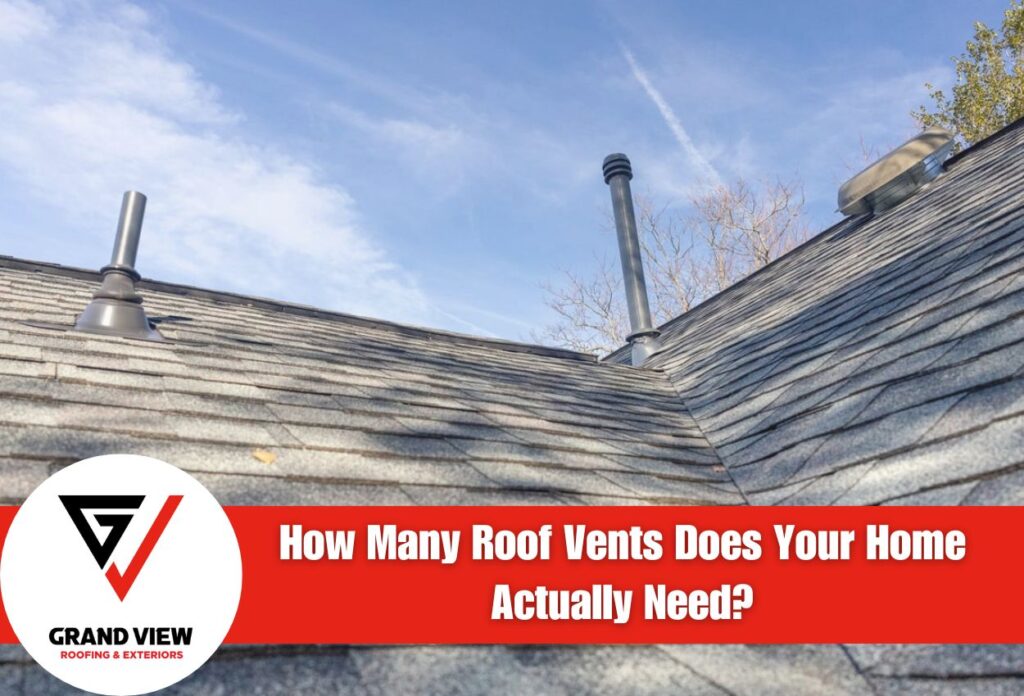
Not all roof vents perform the same, and understanding their capabilities helps ensure your attic is properly ventilated. Ridge vents provide continuous ventilation along the peak of the roof, allowing hot air to escape evenly across the attic. Because of their design, they often offer more uniform airflow than an individual status vent, reducing the likelihood of stagnant air pockets.
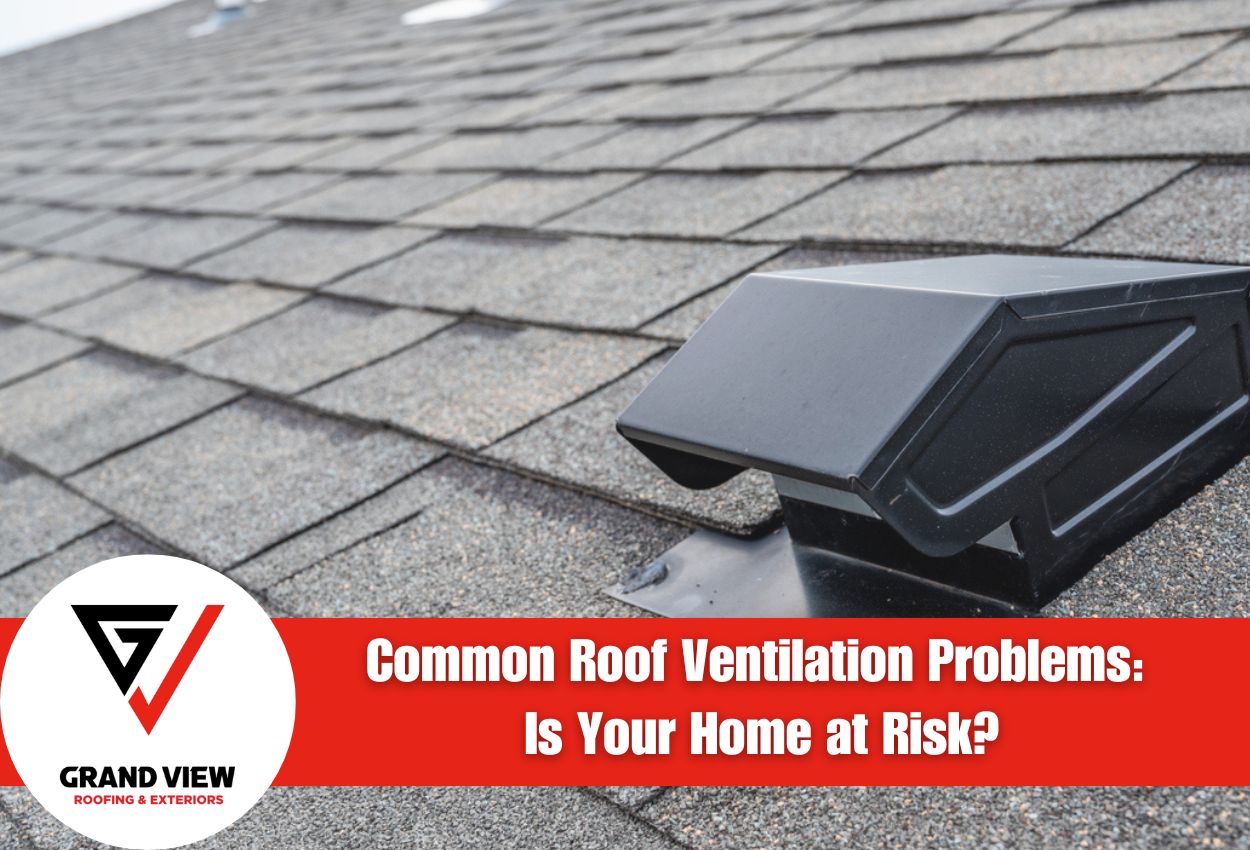
Box vents and other static exhaust vents can provide spot ventilation, but their effectiveness depends on the proper spacing, size, and layout of the attic. Multiple box vents may be needed to achieve the right amount of coverage compared to a ridge/soffit system.
Turbine vents rely on wind to help draw hot air out of the attic. Their contribution to ventilation varies with wind conditions, so they may supplement, but not replace, other exhaust and intake vents.
Powered attic fans can move large volumes of air, but their performance depends on proper installation, adequate intake ventilation, and attic configuration. If intake vents are insufficient, fans can create negative pressure that reduces efficiency or pulls conditioned air from living spaces.
Every type of vent can affect the attic’s overall ventilation differently, and successful systems combine the appropriate vent types with balanced intake and exhaust. Homeowners should consult manufacturer specifications and professional contractors to determine the right combination for their roof design and climate.
Professional Installation Considerations and When to Add More Vents
Several warning signs indicate that existing roof ventilation systems require additional vents or professional modifications to achieve adequate airflow. Ice dams forming along roof edges during winter signal insufficient ventilation, as warm air trapped in the attic melts snow that refreezes at the gutters. Excessive attic temperatures exceeding 10 to 15 degrees Fahrenheit above outdoor temperatures could mean that there is an inadequate amount of exhaust, while visible condensation on attic surfaces indicates poor moisture control requiring enhanced ventilation solutions.
Qualified roofing contractors possess the expertise to assess complex ventilation challenges and ensure installations comply with local building codes and manufacturer specifications. Professional evaluation identifies structural limitations that affect proper roof vent spacing, such as inadequate soffit depth or blocked airflow paths that compromise system performance. Experienced contractors calculate precise intake and exhaust vent requirements based on actual attic measurements rather than rough estimates, ensuring installations meet or exceed standard roof ventilation requirements for long-term effectiveness and code compliance.
Ensure Your Home’s Peak Performance with Grand View Roofing & Exteriors
Understanding how many roof vents you should have is crucial for maintaining the energy efficiency and structural integrity of your home. Each home in South Jersey has unique needs based on its design and local climate conditions. Are you unsure if your current roof ventilation meets the necessary standards? Don’t guess and risk the health of your home’s environment. Contact Grand View Roofing & Exteriors, your local experts in roof ventilation requirements and installation.
With precise calculations and professional assessments, we can determine the optimal number of roof vents for your specific property, ensuring balanced intake and exhaust ventilation for maximum efficiency. Avoid common installation mistakes and ensure your attic is properly ventilated with our skilled team.
Ready to optimize your home’s ventilation system? Call us now at (856) 305-9883 and schedule a consultation to secure a robust and efficient roofing system tailored to your needs.