

 24/7 emergency services

 Call Us Today - (856) 305-9883
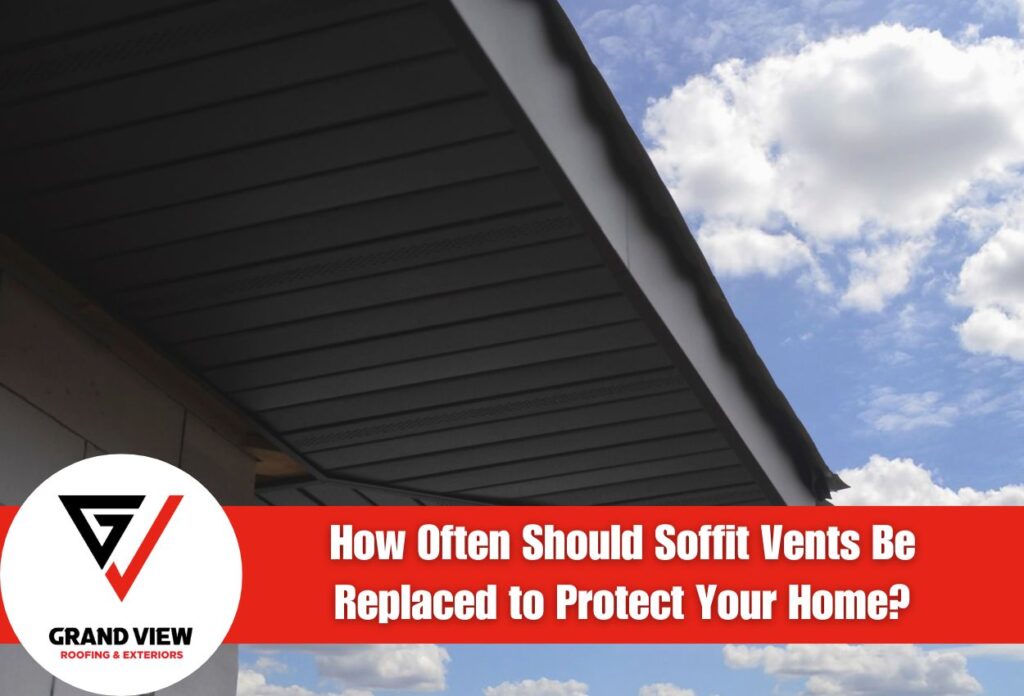
Soffit vents play a crucial role in maintaining proper attic ventilation, yet many homeowners don’t know when these essential components need to be replaced. Most soffit vents typically last between 15 and 25 years, though their actual lifespan depends on material quality, weather exposure, and regular maintenance practices.
Understanding when soffit vents should be replaced prevents serious problems that can damage your entire home. These ventilation components work continuously to regulate air flow in your attic space, preventing moisture buildup and excessive heat that can lead to ice dams, mold growth, and structural deterioration.
Your attic ventilation system directly impacts your roof’s performance and your home’s energy efficiency. Damaged or outdated vents allow humid air to become trapped, creating conditions that rot wooden structures and reduce insulation effectiveness.
Professional soffit vent installation and timely replacement protect your investment while maintaining level attic temperatures year-round. The key is knowing what warning signs indicate replacement needs and understanding how environmental factors affect vent durability. Recognizing signs of damaged soffit vents early helps homeowners avoid expensive repairs to roof decking, insulation, and interior spaces affected by moisture.
Warning Signs That Your Soffit Vents Need Immediate Attention
Recognizing signs of damaged soffit vents early can prevent extensive home damage and expensive repairs. Several indicators visible from ground level signal deterioration in your attic ventilation system. Cracked or warped vent covers, rust stains on metal components, and gaps between the vent and soffit material indicate structural failure. Peeling paint around vent openings often reveals moisture infiltration that compromises the entire soffit vent installation.
Performance-related symptoms inside your home provide equally important clues about failing soffit vents. Condensation forming on windows during cold weather suggests inadequate attic ventilation. Unusual temperature variations between rooms, particularly upper floors feeling excessively hot in summer, signal blocked or damaged vents that are preventing proper air circulation.
Ice dams forming along roof edges during winter months frequently result from poor soffit vent maintenance and restricted airflow. These ice formations indicate trapped warm air in the attic space, causing uneven snow melting that refreezes at the roof edge. Musty odors throughout the house, especially in upper levels, suggest moisture accumulation from inadequate ventilation.
Energy bills showing unexplained increases often correlate with compromised roof vent replacement needs. When soffit vents fail, HVAC systems work harder to maintain comfortable temperatures, driving up utility costs while creating uncomfortable living conditions that worsen over time. If you spot any of these signs in or out of your home, it is time to call a professional roofing contractor for a ventilation system assessment.
What Determines How Often Soffit Vents Should Be Replaced
Several key factors influence how frequently soffit vents should be replaced, with weather conditions and material quality playing the most significant roles. South Jersey’s harsh climate can be harsh on attic ventilation systems, as frequent temperature fluctuations between freezing winters and humid summers accelerate wear on vent components. Snow accumulation, ice formation, and strong winds common to the region place additional stress on soffit vents throughout the year.
As mentioned above, the material the vent is constructed from affects when it should be replaced. Vinyl soffit vents typically last 15 to 20 years but become brittle in extreme cold, making them susceptible to cracking in winter. Aluminum vents offer better durability, lasting 20 to 25 years, though they may develop corrosion from road salt and moisture exposure common in northeastern climates.
Steel soffit vents provide the longest service life, often exceeding 25 years with proper maintenance. However, steel components need to be routinely inspected for rust, particularly in areas near the coast or with high humidity. The initial quality of materials and installation craftsmanship also impacts how well vents withstand seasonal stress.
Regular maintenance can extend the system’s lifespan regardless of material type. Signs of damage appear more quickly when debris blocks airflow or when improper roof ventilation replacement creates system imbalances. Understanding these factors helps homeowners plan future maintenance and budget for future ventilation system upgrades.
The Connection Between Soffit Vent Condition and Your Attic Ventilation System
Deteriorating soffit vents create a cascade of problems that compromise your entire attic ventilation system by disrupting the critical intake portion of air circulation. When soffit vents become blocked, damaged, or worn out, they cannot draw fresh air into the attic space effectively. This creates an imbalanced airflow pattern that forces your ventilation system to work inefficiently, leading to poor air quality and temperature regulation throughout your home.
The relationship between soffit vents and ridge vents operates on a simple but essential principle of air movement. Cool air enters through soffit vents located under the roof’s eaves, travels upward through the attic space, and exits through ridge vents at the roof’s peak. When soffit vent maintenance is neglected, this natural convection process breaks down, causing hot air to become trapped and moisture to accumulate in areas where it can damage insulation and structural components.
Understanding this connection helps explain why soffit vent replacement affects your entire ventilation system. A single failing soffit vent can create negative pressure that forces other vents to overcompensate, leading to premature wear across the system. Signs of damage often appear in unexpected locations because air finds alternative pathways when primary intake points become restricted.
Maintaining balanced airflow through soffit vents prevents the domino effect that causes premature roof failure and protects your investment in quality roof ventilation components.
Simple Maintenance Steps That Extend Soffit Vent Life
Regular soffit vent maintenance significantly extends the lifespan of your attic ventilation system while preventing premature deterioration. Homeowners can perform safe inspection and cleaning that identify potential problems before they require expensive replacement. Simple visual checks from the ground every few months help detect early signs of damaged soffit vents, including loose screens, accumulated debris, or physical damage from weather exposure.
Cleaning soffit vents requires only basic tools and safety precautions. Using a garden hose with moderate pressure removes accumulated dirt, leaves, and spider webs that restrict airflow. A soft brush attachment helps dislodge stubborn debris without damaging vent screens or louvers. These cleaning sessions should occur at least twice a year, preferably in spring and fall when debris accumulation worsens.
Preventive measures protect soffit vents from common causes of premature failure. Keeping gutters clean stops water from saturating soffit materials and vent components, preventing damage and ice formation that can warp or crack materials. Installing pest control screens keeps birds, insects, and small animals from nesting inside vents, which blocks airflow and damages internal components. Additionally, trimming tree branches near the roofline reduces debris accumulation and prevents physical damage during storms.
These proactive steps maximize the attic ventilation system’s lifespan and delay the need for complete system replacement.
Why Professional Replacement Makes Sense Over DIY
Professional soffit vent installation offers significant advantages over DIY approaches, particularly when safety concerns and technical challenges exceed typical homeowner capabilities. Working at roof height requires specialized equipment and experience that most homeowners lack, making professional replacement the safer choice. Contractors have the ladders, safety harnesses, and fall protection equipment necessary to access soffit areas safely while maintaining stable work positions throughout the replacement process.
The technical aspects of proper soffit vent installation include understanding ventilation calculations, structural considerations, and building codes. Professional roofers know how to determine vent spacing, select appropriate materials for your specific climate, and ensure proper integration with existing attic ventilation systems. They can identify structural issues that might complicate installation and address these problems before they affect system performance.
Quality materials and installation techniques from experienced contractors maximize the attic ventilation system’s lifespan and reduce future maintenance needs. Professional installers have access to commercial-grade materials that may not be available to homeowners, often providing better durability and longer lifespans. Plus, their installation methods create weatherproof seals that prevent air leaks and moisture infiltration.
Professional ventilation services also include a comprehensive evaluation that identifies signs of damage throughout the entire system. This ensures airflow is balanced and prevents the installation problems that commonly occur with DIY repairs, ultimately providing better long-term value through improved system performance.
Planning Your Soffit Vent Replacement for Maximum Home Protection
Planning for soffit vent replacement requires considering multiple factors that affect timing, cost, and overall project success. Creating a realistic timeline begins with assessing your home’s current ventilation system and various elements that influence replacement scheduling. Homes built more than 15 years ago typically need a comprehensive evaluation of their attic ventilation system, particularly if the original soffit vents have never been updated or maintained.
Weather patterns also significantly impact replacement timing, making certain seasons more favorable for soffit vent installation projects. Spring and early fall provide optimal conditions with moderate temperatures and lower precipitation, allowing contractors adequate time for proper installation without weather-related delays. Planning a soffit replacement during these periods also ensures your home maintains proper ventilation before extreme summer heat or winter cold places additional stress on aging components.
Coordinating soffit vent replacement with other roofing maintenance creates opportunities for comprehensive system upgrades while maximizing contractor efficiency. Scheduling roof inspections, gutter cleaning, and ridge vent evaluation simultaneously allows professionals to identify all damage and related ventilation issues during a single service visit. This coordinated approach often reduces labor costs and ensures all ventilation components work together effectively.
The planning process should include budgeting for unexpected discoveries that commonly occur during roof ventilation replacement projects. Professional contractors may uncover additional maintenance needs or recommend system upgrades that improve overall performance, making advanced financial preparation essential for a successful project.
By partnering with professional contractors and budgeting beforehand, homeowners can protect their home from the consequences of damaged soffit vents.
Keep Your Home Protected with Soffit Vent Replacement
Understanding when to replace soffit vents is crucial for maintaining the health of your home’s attic ventilation system. At Grand View Roofing & Exteriors, we specialize in assessing and replacing worn soffit vents that could compromise your home’s air quality and structural integrity. Signs like visible wear, blockages, or irregular attic temperatures suggest it’s time to consider professional soffit vent replacement.
Don’t wait for extensive damage to occur! Proactive replacement of soffit vents can prevent expensive repairs and ensure continuous protection against moisture and decay. If you’re noticing any issues or it’s been a while since your last inspection, call Grand View Roofing & Exteriors today at (856) 305-9883 to schedule an attic ventilation consultation. We’ll help you determine if replacement is necessary based on the needs of your South Jersey home, ensuring your ventilation system functions effectively year-round.