 24/7 emergency services

 Call Us Today - (856) 305-9883
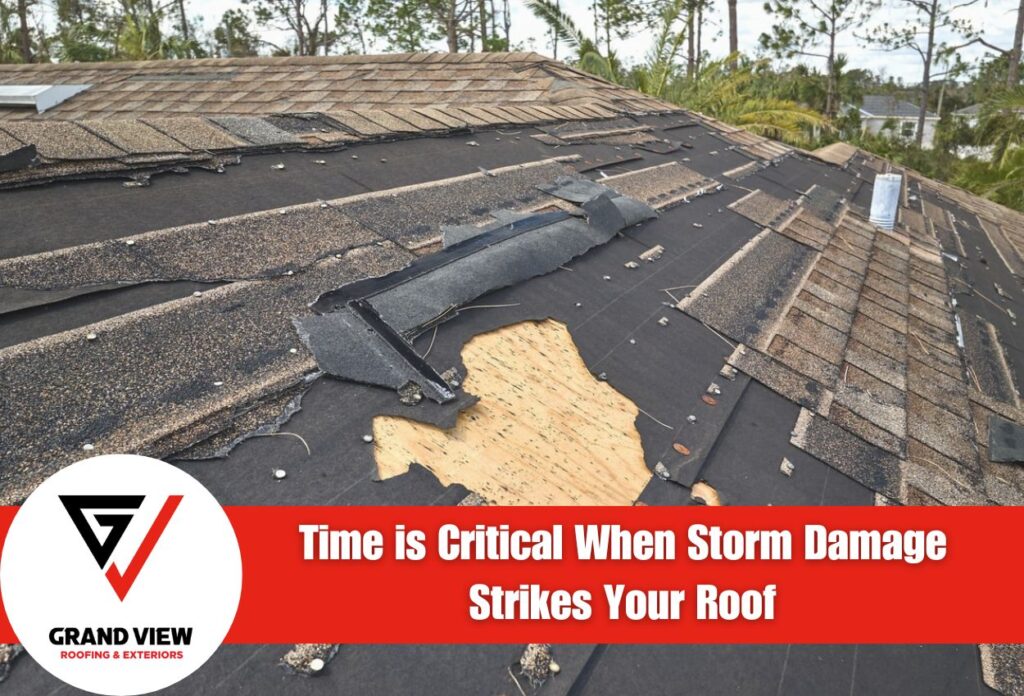
Storm damage to your roof creates an urgent situation that demands immediate attention. The moments following severe weather can determine whether homeowners face minor repairs or complete roof replacement projects. Understanding how quickly you should address roof storm damage becomes crucial for protecting both property and family safety.
The emergency roof repair timeline operates on a strict schedule. Within the first 24 to 72 hours after storm impact, minor damage can rapidly escalate into major structural problems. Leaks through compromised shingles or damaged flashing create a cascading effect that spreads throughout the roofing system and into the home’s interior.
Signs of storm damage on a roof often appear subtle at first but signal significant underlying issues. Missing or cracked shingles, exposed nail heads, and damaged gutters are perfect channels for leaks to form. Each passing hour without temporary roof protection methods allows moisture to go deeper into the structure.
Insurance claim deadlines for roof damage create added urgency. Most policies require fast reporting of storm-related issues, so quick assessment and detailed documentation are essential. Storm damage assessment procedures must begin immediately to preserve both the structure and insurance coverage eligibility. Swift action prevents thousands in additional repairs while safeguarding the home against further weather exposure.
Spotting the Warning Signs That Demand Immediate Attention
Identifying storm damage requires careful observation from multiple vantage points. Missing or curled shingles, damaged gutters, and debris scattered around your property, along with granules from asphalt shingles accumulating in gutters or on the ground, are signs of significant surface damage that can compromise your roof’s protective capabilities.
Interior warning signs often provide the clearest evidence that your roof’s protective barrier has been compromised. Water stains can be an indication of leaks that require immediate emergency roof repair action. Discolored patches, bubbling paint, or sagging ceiling areas all point to moisture infiltration that gets worse with each passing hour.
Attic inspections reveal additional signs of storm damage on a roof that external viewing might miss. Daylight visible through the roof’s deck, wet insulation, or water pooling on attic floors confirms that a leak has formed.
Professional evaluation becomes essential when multiple warning signs appear simultaneously. Temporary roof protection methods may provide short-term relief, but comprehensive damage requires expert attention. Property owners must document these conditions quickly to meet insurance claim deadlines for roof damage while preventing further deterioration of their home’s structural integrity.
The First 24 Hours After Storm Damage Occurs
The initial hours following storm damage represent a critical window for protecting your home and securing insurance coverage. Essential safety steps begin with ensuring family members avoid areas directly beneath damaged roofing sections. Power lines, broken glass, and unstable debris create immediate hazards that require careful navigation around the property perimeter.
Documentation practices must start immediately while evidence remains fresh and visible. Photographing damage from multiple angles, including wide shots and close-up details, creates the foundation for successful insurance claims. Recording video footage provides additional context that static images cannot capture, particularly for documenting the extent of water damage or structural displacement.
Emergency measures homeowners can safely implement include placing buckets or tarps to catch dripping water and moving valuable items away from affected areas. However, climbing onto damaged roofing structures poses serious safety risks that untrained individuals should avoid. Contact with roofing professionals should occur within the first few hours to arrange an emergency assessment and temporary stabilization.
Temporary Protection Methods to Minimize Further Damage
Implementing effective temporary roof protection methods becomes essential while waiting for permanent repairs. Heavy-duty tarps represent the most common emergency solution for covering exposed areas, but proper installation requires specific techniques to prevent additional damage. Quality tarps should extend beyond the damaged section and secure to undamaged portions of the roof using appropriate fasteners.
Professional emergency roof repair services possess specialized equipment and materials designed for temporary weatherproofing. Contractors use reinforced coverings, proper sealing techniques, and structural knowledge to create effective barriers against moisture infiltration. Their expertise ensures temporary solutions actually protect rather than create additional problems through improper installation.
Homeowners should avoid attempting complex temporary fixes that involve climbing onto damaged roofing surfaces. Walking on compromised structures can make existing damage worse while creating serious safety hazards. Simple ground-level actions like clearing debris from gutters or placing containers to catch interior leaks represent safer alternatives for property owners.
The decision between DIY temporary measures and professional intervention depends on damage severity and accessibility. Minor issues like small leaks may warrant homeowner action using basic materials, while significant structural damage requires immediate professional assessment. Storm damage assessment procedures help determine appropriate response levels while ensuring temporary roof protection methods provide genuine protection rather than false security during the emergency roof repair timeline.
Professional Storm Damage Assessment and Repair Timeline
Professional roof inspections follow a systematic approach that begins with an exterior evaluation using specialized equipment and safety protocols. Certified contractors examine every component of the roofing system, including shingles, flashing, gutters, and structural elements, to identify both visible damage and potential weak points that could fail over time. Advanced inspection techniques may include drone technology for detailed aerial photography and moisture detection equipment to locate hidden water infiltration.
Contractors prioritize damage based on immediate safety threats and structural integrity concerns. Emergencies involving active leaks, exposed roof decking, or compromised structural elements receive top priority in the storm damage assessment procedure. Secondary priorities include damaged shingles that could get worse with additional weather exposure and gutter systems that affect proper drainage patterns.
Emergency repairs typically require 24 to 48 hours for scheduling and completion, focusing on immediate weatherproofing and safety stabilization. These urgent interventions include temporary roof protection methods like professional-grade tarping, emergency leak repairs, and securing loose materials that pose safety hazards. Complete restoration projects operate on extended timelines ranging from 1 to 4 weeks, depending on material availability, weather conditions, and project complexity.
Insurance Claims and Documentation Deadlines You Cannot Miss
Insurance companies impose strict reporting deadlines that can determine whether storm damage claims receive full coverage or face denial. Most policies require notification within 24 to 72 hours of discovering damage, making prompt communication essential for preserving coverage benefits. Delays in reporting often trigger policy exclusions that leave property owners responsible for repair costs that insurance should cover.
Critical timeframes for reporting storm damage extend beyond initial notification requirements. Insurance adjusters typically require access to damaged areas within the first week after filing claims, creating pressure to document conditions while implementing necessary temporary roof protection methods. Property owners must balance immediate safety needs with preservation of evidence for insurance claim deadlines for roof damage processing.
Essential documentation strengthens claims and accelerates approval processes when collected systematically and thoroughly. Photographs should capture damage from multiple angles, including wide-angle shots showing overall impact and close-up images detailing specific problems. Written documentation noting the date, time, and weather conditions during damage discovery provides additional context that supports claim validity.
Professional storm damage assessment procedures generate official reports that carry significant weight with insurance companies. Contractor evaluations provide expert opinions on the extent of the damage, repair necessity, and cost estimates that insurance adjusters use for claim processing. Combining professional assessments with homeowner documentation creates comprehensive evidence packages that demonstrate how quickly you should address roof storm damage while meeting all insurance requirements for successful claim resolution.
Long-Term Protection Strategies to Weather Future Storms
Implementing comprehensive long-term protection strategies helps roofs withstand severe weather patterns and reduces the likelihood of requiring emergency repairs. Regular preventive maintenance creates a foundation for storm resistance that extends far beyond immediate post-damage responses. Property owners who invest in proactive protection measures often avoid the urgent timelines and stress associated with emergency roof repair situations.
Preventive maintenance practices include quarterly inspections of shingles, flashing, and gutter systems to identify potential weak points before storms arrive. Annual professional evaluations detect subtle deterioration that homeowners typically miss during casual observations. These scheduled assessments make it possible to complete planned repairs during favorable weather conditions instead of rushing into emergency work during storm damage evaluations.
Modern roofing materials offer superior storm resistance compared to traditional options, incorporating advanced engineering designed specifically for severe weather conditions. Impact-resistant shingles, reinforced underlayment, and improved flashing systems create multiple layers of protection against wind, hail, and water infiltration. Protective coatings applied to existing roofing materials enhance durability and extend service life while improving storm resistance capabilities.
Strategic upgrades to roofing systems eliminate many conditions that typically require temporary roof protection methods during severe weather events. Enhanced ventilation systems, improved drainage components, and strengthened attachment points reduce vulnerability to common storm damage patterns. These investments help property owners avoid the urgent timelines and complications associated with insurance claim deadlines for roof damage while providing lasting peace of mind throughout severe weather seasons.
Act Now on Roof Storm Damage in South Jersey with Grand View Roofing & Exteriors
When a storm hits and damages your roof, every minute counts. Delaying roof repairs can lead to severe consequences, including structural damage and increased repair costs. In South Jersey, Grand View Roofing & Exteriors offers rapid response and expert services to ensure your roof is assessed, repaired, and restored promptly. Our team understands the critical nature of storm damage and is equipped to handle emergencies efficiently.
Don’t wait for minor damage to escalate into a major issue. Contact Grand View Roofing & Exteriors today at (856) 305-9883. We’re ready to provide professional assessment and immediate repairs to secure your home and protect your investment. Remember, acting quickly can save you thousands in potential additional costs and keep your family safe. Call us now!