

 24/7 emergency services

 Call Us Today - (856) 305-9883
How to Check the Quality of Storm Damage Repairs: Safeguard Your Home
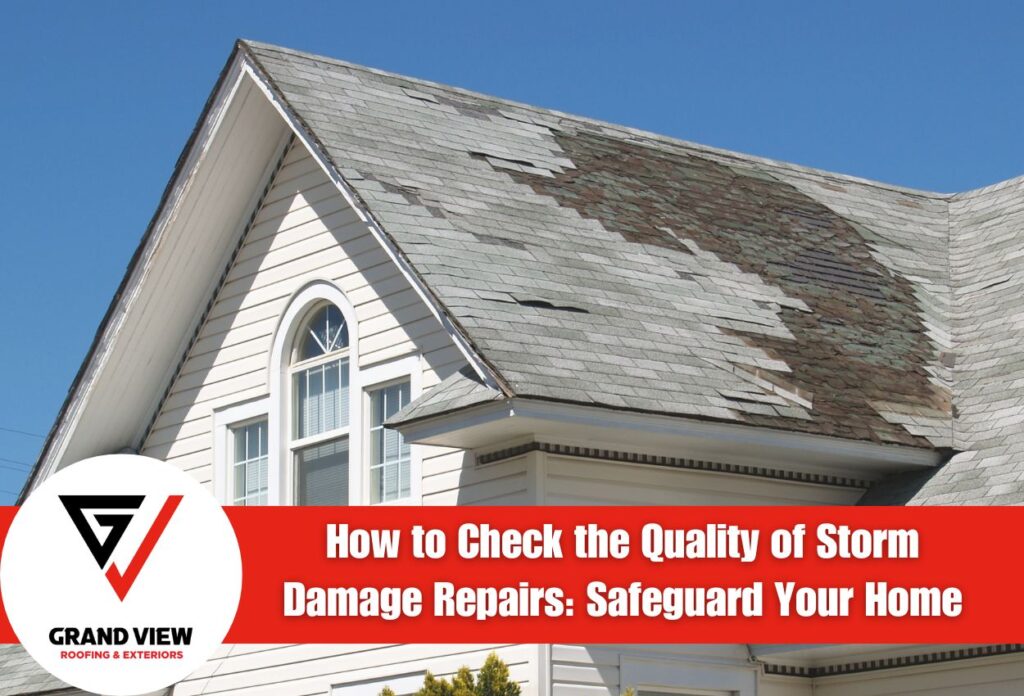
When severe weather strikes South Jersey, the aftermath often leaves homeowners facing significant roof repairs. Ensuring these repairs are completed properly isn’t just about protecting your investment, it’s about guaranteeing your family’s safety for years to come. Verifying storm damage repair quality is a critical step that many homeowners overlook, potentially leading to more extensive damage and expensive fixes down the road.
South Jersey roofing systems face unique challenges from Atlantic hurricanes, powerful coastal winds, and heavy rainfall that can negatively impact a building’s structural integrity. These regional weather patterns create specific damage patterns that require specialized repair approaches and thorough quality assessment. Identifying substandard workmanship early can prevent water infiltration, mold growth, and structural weakening that might otherwise go unnoticed until major problems develop.
A systematic approach to evaluating storm damage repairs helps homeowners verify that contractors have addressed all damage points properly. This includes examining shingle placement, flashing installation, gutter alignment, and underlying structural repairs. By understanding what’s considered quality repair work, South Jersey homeowners can confidently assess whether their roofing contractor has delivered lasting protection against future storms or merely applied a temporary fix that won’t withstand the next weather event.
Essential Visual Inspection Techniques for Homeowners
After storm damage repairs are completed on your South Jersey home, conducting your own visual inspection can help verify the quality of the workmanship. Start your ground-level assessment by examining the overall appearance of the roof. Look for uniform coloring, straight lines of shingles, and consistent patterns. Misaligned shingles, waviness in the roofline, or different shades of the same color often indicate a rushed or improper installation.
Use binoculars to examine shingle edges and seams. Quality repairs will show secure fastening with no lifted edges that could catch wind during the next storm. Check that new flashing around chimneys, vents, and valleys is properly sealed and integrated with surrounding materials. Visible caulking or excessive sealant often masks improper installation techniques that won’t withstand South Jersey’s severe weather conditions.
When it comes to the interior, examine your attic during the day and look for any pinpoints of light coming through the roof deck. Check for water stains on rafters or insulation, which may indicate ongoing leaks despite repairs. After heavy rainfall, inspect ceilings for new water spots or discoloration. Pay special attention to areas directly below previously damaged sections. Properly executed repairs should completely eliminate water intrusion and prevent future issues, keeping your home protected through all seasons.
Critical Roofing Elements That Demand A Closer Look
When evaluating the quality of storm damage repairs on your roof, certain components require particular attention as they’re most vulnerable to damage and frequently prone to be skipped during repairs. Examine shingles for proper overlap and verify that replacement shingles match existing ones in both color and texture. Quality contractors ensure seamless integration rather than patchy-looking repairs that compromise your South Jersey home’s appearance and protection.
Flashing around chimneys, vents, and roof valleys demands close inspection as these areas are primary entry points for water. Properly installed flashing includes adequate overlap, secure fastening, and appropriate sealant application. Be wary of excessive caulking, which often indicates improper fitting and creates potential failure points during future storms. Roof vents should also sit flush against the roof surface with intact gaskets and no visible gaps.
Quality repairs feature nails driven straight, not at angles, and positioned along the manufacturer’s specified nail line, not too high or low on the shingle. Gutter attachments and alignment should also be inspected after repairs, as storm damage often affects these critical pieces of your roof components. Functional gutters with proper pitch will protect your home’s foundation from water damage during South Jersey’s heavy rain.
Documentation and Comparison Methods to Verify Repairs
Thorough documentation creates a valuable reference point for verifying the quality of storm damage repairs on your South Jersey home. Before repairs begin, take detailed photos of all damaged areas from multiple angles. These images should capture close-ups of affected shingles, flashing, vents, and any structural issues. During the repair process, document key stages such as underlayment installation and flashing application. Once completed, photograph the same areas again to create a comprehensive before-and-after comparison that clearly shows what work was performed.
Video documentation provides additional verification benefits, allowing you to record contractor explanations of repair methods and capture a continuous view of work areas. When recording, narrate specific concerns or areas requiring special attention. Keep all written documentation, including original damage assessments, repair estimates, material lists, and warranty information. These records prove essential if questions come up about repair quality or if future claims become necessary.
Compare the completed work against your signed contract and estimate to ensure all promised repairs were executed. Check that the specified materials match what was installed on your roof. Quality contractors in the South Jersey area will follow manufacturer guidelines and local building codes precisely. Request documentation verifying that proper techniques were used, particularly for specialized storm damage repairs. If discrepancies exist between promised and delivered work, address these concerns as soon as possible with your contractor before issuing final payment or signing completion documents.
Working With Your Contractor to Ensure Quality Outcomes
Effective communication with your roofing contractor forms the foundation of successful storm damage repairs. Establish clear expectations from the beginning by discussing specific repair methods, materials to be used, and anticipated timelines. Request daily updates on progress and don’t hesitate to ask questions about techniques being implemented. Quality contractors welcome homeowner involvement and will take time to explain their approach to addressing your South Jersey home’s unique storm damage issues.
During the repair process, schedule specific inspection points to review critical stages like underlayment installation and flashing application. These milestone checks allow you to address potential concerns before they’re covered by finished materials. Ask your contractor to point out completed repairs and explain how they’ve resolved the underlying damage. Professional roofing contractors should provide documentation of all repairs, including photographs of work that isn’t visible after completion.
If quality concerns arise, address them quickly and professionally. Document specific issues with photos and reference your contract requirements. Reputable South Jersey contractors will respond to legitimate concerns within 24 to 48 hours and schedule necessary remediation work. Remember that reasonable fixes might involve targeted repairs rather than complete replacement. By maintaining professional communication throughout the process, you create accountability while fostering a productive working relationship that results in lasting, high-quality storm damage repairs.
When to Seek Professional Third-Party Inspection Services
While homeowner assessments are valuable, certain situations warrant hiring a professional third-party roof inspector to verify storm damage repairs. Insurance claims often require independent verification before processing payments for major storm damage. If your insurer disputes the extent of damage or questions repair quality, a certified inspector provides objective documentation that can resolve these issues. Many South Jersey homeowners find that this investment prevents expensive claim denials.
Consider professional inspection whenever you observe concerning signs after repairs, such as continued leaks, visible sagging, or shingle displacement during subsequent weather events. Third-party inspectors bring specialized equipment like infrared cameras that detect hidden moisture beneath the surface, where improper repairs may have left vulnerabilities. This technology reveals issues invisible to the naked eye, including inadequate ventilation or improperly sealed penetration points.
Professional inspectors evaluate workmanship according to manufacturer specifications and local building codes. They examine fastening patterns, material compatibility, and proper layering techniques that affect long-term performance. Their detailed reports provide legally valuable documentation if warranty claims become necessary or if litigation arises from substandard workmanship. For significant roof investments following major storm damage, this objective assessment offers peace of mind that your home remains properly protected against future weather events.
Maintaining Your Roof After Storm Repairs to Prevent Future Issues
After completing quality storm damage repairs, implementing a consistent maintenance routine is essential for protecting your investment and extending your roof’s lifespan. South Jersey’s distinctive seasonal weather patterns, which involve thunderstorms and winter nor’easters, require specific preventative measures to preserve any repair work. Scheduling bi-annual inspections in spring and fall helps identify minor issues before they turn into expensive problems that impact recent repairs.
Create a seasonal maintenance calendar tailored to South Jersey weather patterns. In spring, clear winter debris and check for loose shingles or damaged flashing that storms may have affected. Summer maintenance should include attic ventilation assessment to prevent heat damage that can prematurely age newly repaired sections. Fall maintenance focuses on gutter cleaning and ensuring proper drainage before winter precipitation begins. After significant weather events, conduct additional spot checks focusing specifically on previously repaired areas.
Developing an ongoing relationship with a trusted local roofing professional provides consistency in your home’s care. The contractor who completed your storm repairs already understands your roof’s specific vulnerabilities and repair history. Scheduling annual professional assessments creates a maintenance record that helps track your roof’s condition over time and validates warranty requirements. This proactive approach to roof maintenance following storm repairs ultimately saves you money by extending the life of both the original roof and the repair work, keeping your South Jersey home protected through every season.
Ensure Your Roof is Secure with Grand View Roofing & Exteriors
If you’ve recently had your roof repaired for storm damage, it’s crucial to ensure that the work meets the highest standards of quality and safety. At Grand View Roofing & Exteriors, we understand the challenges homeowners face in South Jersey following severe weather events.
Don’t wait until the next storm to find out if your roof repairs were sufficient. Call us today at (856) 305-9883 to schedule a comprehensive inspection. Our experienced professionals will provide you with peace of mind, knowing your roof is in the best possible condition to protect your home and family.