 24/7 emergency services
 Call Us Today - (856) 305-9883
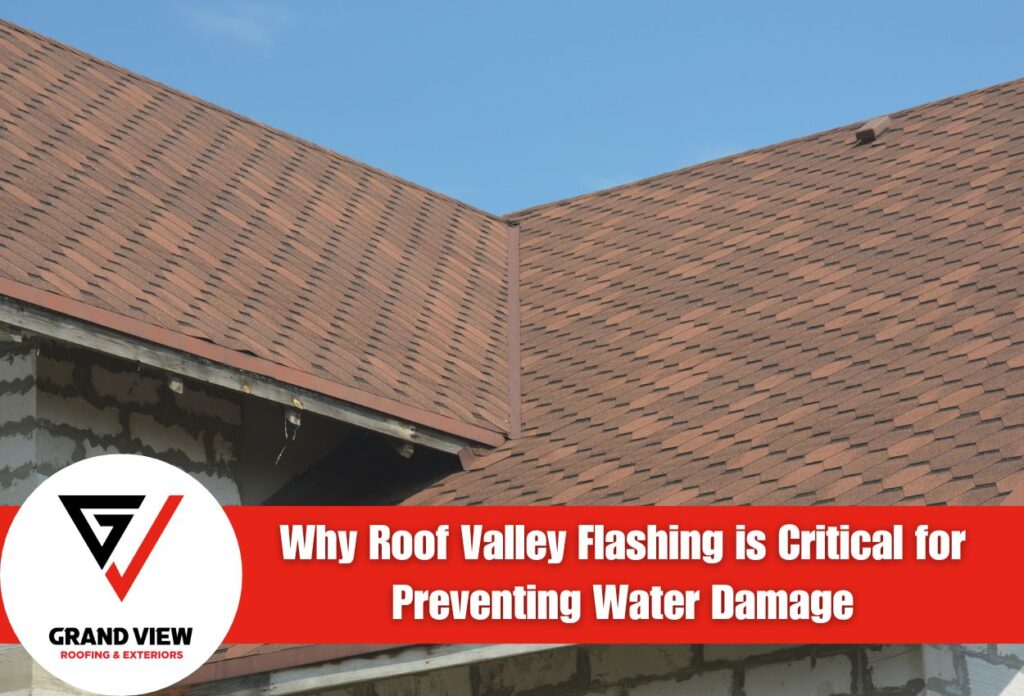
Flashing in your roof’s valley protects the vulnerable areas where two roof planes meet at an angle, creating natural channels that direct rainwater and melted snow away from your home’s structure. Without proper valley flashing installation, these intersections become prime entry points for water to get in, which can lead to extensive roof valley water damage.
The importance of roof valley flashing becomes clear when considering how water naturally flows down your roof. Valleys collect and concentrate water flow from multiple roof sections, making them work harder than any other part of your roofing system. When valley flashing fails or gets installed incorrectly, water can seep beneath shingles and get to the underlying roof deck, causing rot, mold growth, and structural deterioration.
Benefits of metal valley flashing include superior durability and water resistance compared to other materials. Quality valley flashing systems channel thousands of gallons of water away from your home each year, preventing expensive repairs and protecting your family’s comfort. Understanding roof valley leak prevention starts with recognizing that proper flashing installation and regular roof valley maintenance tips can save homeowners from expensive water damage repairs down the road.
The Hidden Consequences of Neglecting Valley Flashing Protection
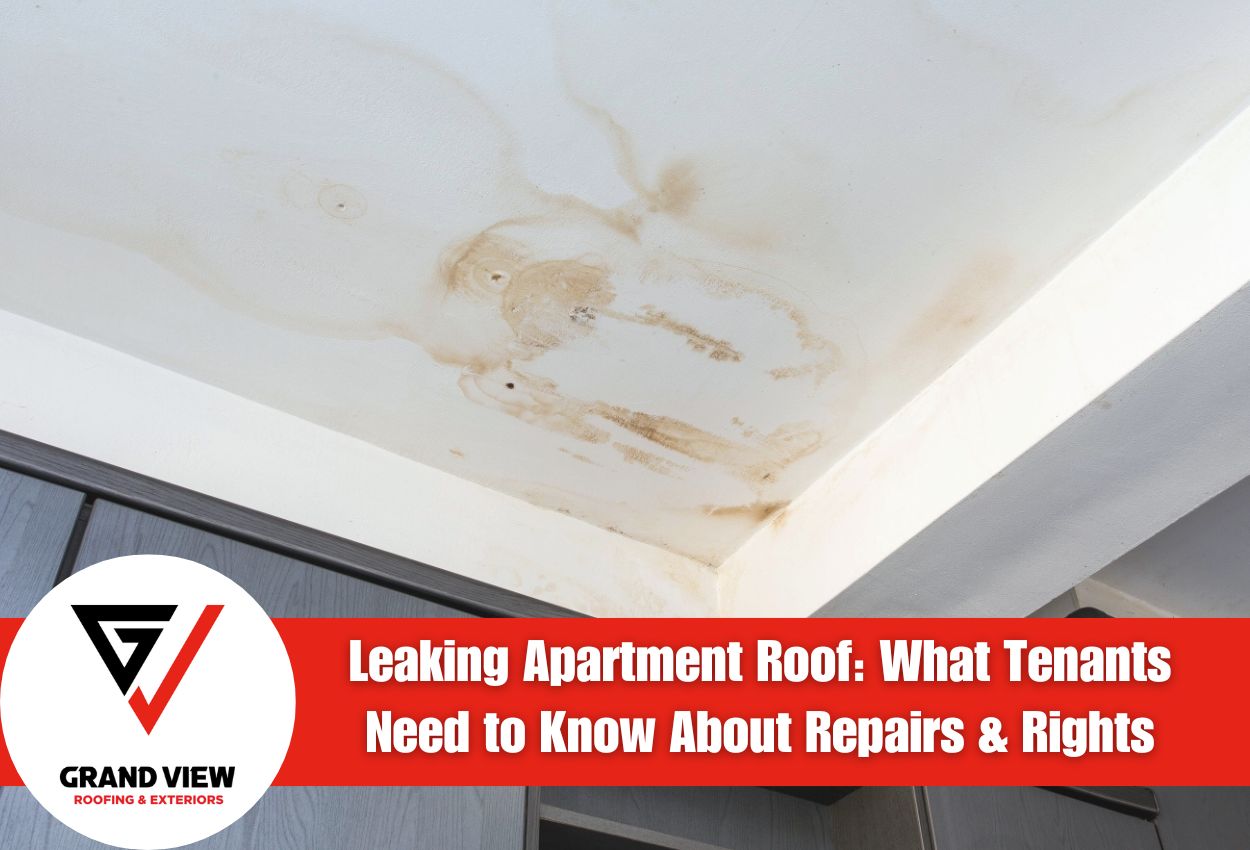
Water damage from compromised valley flashing rarely announces itself with dramatic leaks. Instead, it begins subtly with small moisture intrusions that gradually spread throughout your home’s structure. Early signs include discolored ceiling patches near valley areas, musty odors in attic spaces, and peeling paint on interior walls below roof intersections. These seemingly minor issues signal that roof valley water damage has already begun its destructive process.
Without effective roof valley leak prevention measures, moisture goes deeper into your home’s framework. Water travels along roof decking, insulation, and wall cavities, creating ideal conditions for mold growth and wood rot. Compromised insulation loses its thermal efficiency, leading to higher energy bills and uncomfortable indoor temperatures. The importance of roof valley flashing becomes evident as damage spreads to ceiling joists, wall studs, and flooring materials.
Long-term complications from inadequate valley flashing installation add up over time. Structural wood members weaken as moisture causes gradual deterioration, potentially requiring extensive framing repairs. Electrical systems face safety risks when water reaches wiring within wall cavities. The benefits of metal valley flashing and consistent roof valley maintenance tips become clear when considering these escalating repair scenarios that could have been prevented with proper initial protection and regular inspections.
How Valley Flashing Works to Channel Water Away From Your Home
Understanding the science behind water flow in roof valley systems reveals why these areas handle the heaviest runoff volumes on any roof. When rainwater hits your roof’s surface, gravity naturally pulls it toward the lowest points where two roof planes intersect. These valley areas concentrate water from multiple roof sections into a single channel, creating intense flow patterns that require robust protection through proper valley flashing installation.
The physics of water drainage explains why valleys face the greatest stress during storms. Water velocity increases as it travels down roof slopes and converges at valley intersections, carrying debris and applying significant pressure against flashing materials. Without adequate roof valley leak prevention systems, this concentrated flow can overwhelm weak points and get beneath roofing materials. The benefits of metal valley flashing become apparent when considering how durable materials withstand these demanding conditions year after year.
Properly installed valley flashing creates a seamless water management system through strategic design and placement. Certain types of metal flashing will extend beneath shingles on both roof planes, forming a waterproof channel that directs runoff toward gutters and downspouts. This flashing’s edges curve upward to create barriers that prevent water from flowing sideways under roofing materials. This systematic approach to roof valley water damage prevention ensures that even the heaviest rainfall gets channeled safely away from your home’s structure, protecting the underlying roof deck and interior spaces from moisture infiltration that leads to expensive repairs.
Metal Valley Flashing Advantages Over Alternative Materials
Metal valley flashing outperforms alternative materials in durability and longevity, making it the superior choice for long-term roof valley leak prevention. Metal flashing systems typically last 30 to 50 years compared to synthetic alternatives that require replacement every 10 to 15 years. This extended lifespan reduces the frequency of valley flashing installation projects and minimizes disruption to your roofing system.
The weather resistance characteristics of metal flashing provide exceptional protection against the varied climate conditions common in South Jersey. Aluminum and steel flashing materials resist cracking from freeze-thaw cycles that damage rubber or plastic alternatives. Metal maintains its structural integrity during temperature extremes, from summer heat that can reach over 100 degrees Fahrenheit to winter conditions that bring ice and snow accumulation. These performance advantages directly contribute to preventing roof valley water damage through consistent protection year-round.
Professional Installation Techniques That Ensure Maximum Protection For Closed Valley Systems
Proper valley flashing installation requires precise execution of critical steps that determine long-term performance and effectiveness. Professional roofers begin by preparing the valley’s decking with appropriate underlayment that extends well beyond the flashing edges. The metal flashing must be centered in the valley with equal coverage on both roof planes, typically extending at least 6 inches up each slope. Securing the flashing involves strategic fastener placement along the edges rather than through the center channel, preventing leaks while maintaining structural integrity.
The most common installation mistakes that compromise roof valley leak prevention include inadequate overlap between flashing sections and improper shingle cutting techniques. Many contractors fail to create sufficient overlap where flashing pieces join, leaving gaps that allow water infiltration. Cutting shingles too close to the valley center reduces the protective barrier and increases the risk of roof valley water damage. Professional installation ensures shingles are cut at proper angles with adequate setback from the flashing center line, maintaining optimal water flow while protecting vulnerable edges.
Quality valley flashing installation also demands attention to fastening patterns and sealant application that many inexperienced installers overlook. Fasteners must be placed in specific locations to avoid creating water entry points while securing the flashing against wind uplift. The importance of roof valley flashing becomes evident when proper installation techniques prevent the gradual deterioration that occurs with substandard workmanship, ensuring decades of reliable protection through meticulous attention to manufacturer specifications and proven industry practices.
Essential Maintenance Practices to Keep Your Valley Flashing Functioning
Establishing regular inspection schedules plays a crucial role in maintaining effective roof valley leak prevention throughout your flashing system’s lifespan. Homeowners should examine valley areas twice a year, ideally during spring and fall when weather conditions allow safe roof access. Visual inspections should focus on identifying loose or damaged flashing sections, accumulated debris that blocks water flow, and signs of corrosion or wear along metal edges. Look for gaps where flashing meets shingles, rust stains on metal surfaces, and any areas where water appears to pool rather than flow freely toward gutters.
Preventive care steps significantly extend the life of valley flashing installations while maintaining optimal water shedding performance. Remove leaves, branches, and other debris that accumulate in valley channels, as these obstructions can cause water to back up and get beneath flashing edges. Clean gutters regularly to prevent overflow that can stress valley flashing systems during heavy rainfall. Check that all fasteners remain secure and replace any loose screws or nails that could compromise the flashing’s stability against wind uplift.
Apply appropriate sealants to small gaps or separations, but avoid over-sealing, which can trap moisture and cause deterioration. Benefits of metal valley flashing include the ability to withstand regular cleaning and maintenance without degrading, making these systems ideal for homeowners committed to following proven roof valley maintenance tips that preserve their investment.
When to Call a Professional for Valley Flashing Assessment and Repair
Recognizing warning signs that require immediate professional intervention can prevent minor valley flashing issues from escalating into extensive roof valley water damage. Visible water stains on ceilings near valley areas indicate active leaks that demand urgent attention, as moisture has already gotten past your home’s protective barriers. Loose or separated flashing sections pose immediate risks during the next rainfall, allowing water to bypass your roof’s primary defense system. Homeowners should contact roofing professionals immediately when they observe rust holes in metal flashing, gaps larger than a ¼ inch between flashing and shingles, or any sections of flashing that appear to be pulling away from the roof’s surface.
Professional roofing contractors utilize systematic evaluation methods to determine whether valley flashing requires repair or complete replacement. Experienced roofers assess the overall condition of metal materials, checking for corrosion patterns, structural integrity, and remaining service life. They examine the surrounding roofing materials to identify whether shingle deterioration has compromised the flashing’s effectiveness. The importance of roof valley flashing assessment includes evaluating proper installation techniques from previous work, measuring adequate overlap between flashing sections, and confirming that fastening patterns meet current building standards.
Expert contractors also consider factors beyond immediate damage when recommending repair and replacement options. They evaluate whether the existing valley flashing installation meets modern roof valley leak prevention standards and assess compatibility with planned roofing updates. The benefits of metal valley flashing become evident during professional evaluations that reveal whether current materials can provide continued protection or require upgrade to prevent future roof valley water damage incidents.
Protect Your Home with Expert Valley Flashing Services from Grand View Roofing & Exteriors
Did you know that the integrity of your roof’s valley flashing is critical in preventing water damage? At Grand View Roofing & Exteriors, we specialize in installing and repairing valley flashing to safeguard your home against the harsh weather conditions of South Jersey. Our team uses only the highest quality metal materials, ensuring your flashing withstands the test of time and elements.
Ignoring the signs of wear and tear in your roof’s valleys can lead to expensive repairs and significant structural damage. Don’t wait for water intrusion to become visible inside your home. Regular maintenance and professional assessments by our skilled technicians can help you avoid these expensive issues and maintain a dry and secure home.
If you’re noticing any signs of water damage or it’s been a while since your last roof inspection, don’t hesitate. Call us today at (856) 305-9883 to schedule an assessment of your roof’s valley flashing.