 24/7 emergency services
 Call Us Today - (856) 305-9883
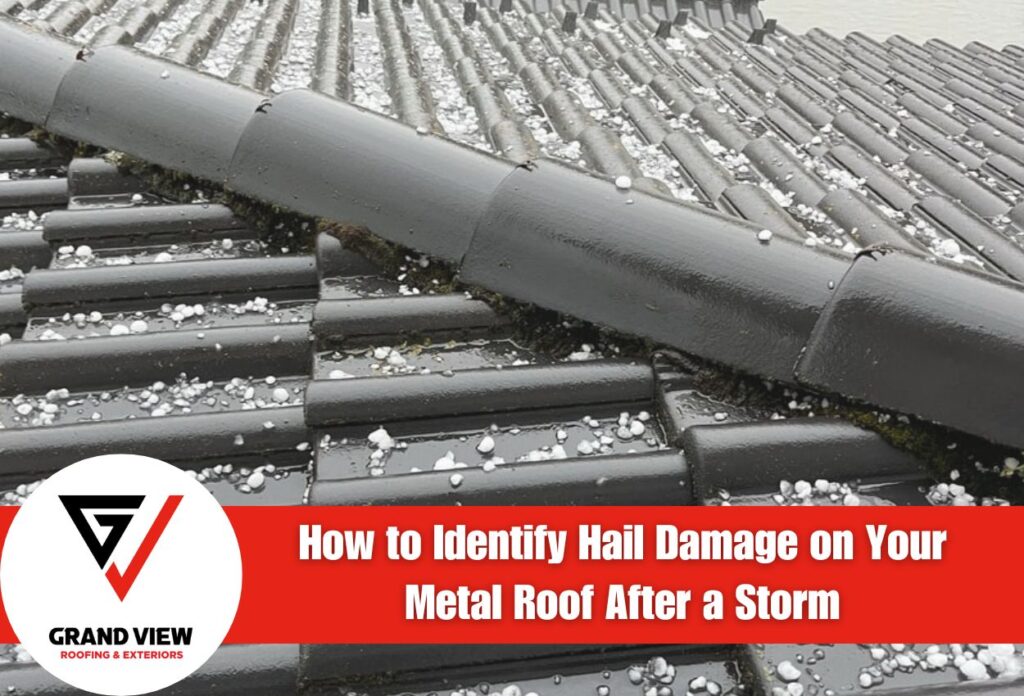
Metal roofs offer exceptional durability and weather resistance, but they remain vulnerable to damage from severe hailstorms. When hail strikes metal roofing systems, the impact can create dents, scratches, and structural compromises that may not be immediately visible from the ground. Property owners who fail to identify these signs of hail damage on a metal roof quickly often face escalating problems, including water infiltration, compromised insulation, and potential insurance claim complications.
Storm severity directly correlates with the extent of visible damage on metal roofing panels. Smaller hailstones typically produce minor surface imperfections, while larger stones can cause significant denting and panel displacement. The most common types of damage include circular dents where hailstones made direct contact, scratched protective coatings that expose underlying metal to corrosion, and loosened fasteners that compromise the roof’s weather seal.
Conducting a thorough metal roof hail damage inspection immediately after severe weather helps prevent minor issues from turning into structural problems. Understanding what to look for during this initial assessment enables property owners to document damage accurately and take action before secondary issues emerge.
Dents and Impact Marks on Metal Panels
Dents are an obvious indicator of hail damage on metal roofing systems. These depressions typically appear as circular or oval-shaped indentations scattered across the roof surface, with larger concentrations often found on panels facing the storm’s primary wind direction. Hail damage creates distinct patterns that differ significantly from other types of impact damage, such as falling branches or construction debris.
Dented metal roofing panels show specific characteristics that help distinguish hail strikes from alternative causes. Hailstone impacts produce smooth-edged circular dents with consistent depth patterns, while other debris typically creates irregular tears or angular damage. The spacing between dents often reflects the storm’s intensity and duration, with severe hailstorms creating dense clusters of impact marks across affected areas.
The relationship between dent depth and hailstone size can also help assess repair urgency. Quarter-sized hail typically produces shallow surface impressions, while golf ball-sized stones can create dents exceeding half an inch in depth. Deep dents compromise the metal’s structural integrity and may break through protective coatings, exposing the underlying material to accelerated corrosion and weather infiltration.
A professional metal roof weather damage assessment is essential when dent patterns indicate significant impacts across the panels. Trained inspectors can accurately measure dent depth, evaluate coating damage, and determine whether the structural integrity remains intact or requires immediate intervention.
Paint and Coating Damage from Hail Impact
Protective coatings on metal roofing systems serve as the first line of defense against the elements and corrosion. When hailstones strike these surfaces, they often chip, scratch, or completely remove paint layers, exposing the underlying metal to environmental damage. These coating failures may appear minor initially, but they are critical vulnerabilities that can compromise the entire roofing system over time.
Identifying storm damage on metal roofs requires carefully examining surface coatings around impact areas. Hail strikes typically create star-shaped or circular patterns where paint has been scraped away, revealing bare metal underneath. These exposed areas often appear as bright spots against the darker coated surface, making them relatively easy to spot during a thorough metal roof hail damage inspection.
The severity of coating damage depends on several factors, including hailstone size, impact velocity, and the age of the existing finish. Newer protective coatings tend to resist chipping better than older, weathered surfaces. However, even minor scratches create pathways for moisture penetration, initiating corrosion and rust that can spread beyond the original impact zone.
Once protective finishes become compromised, deterioration begins almost immediately. Exposed metal, specifically steel, reacts with moisture and oxygen, forming rust that gradually weakens the structural material. This corrosion process continues expanding outward from damaged areas, potentially requiring extensive hail damage metal roof repair if left untreated. Prompt attention to coating damage prevents these minor imperfections from threatening the roof’s overall performance.
Damaged or Displaced Roofing Components
Beyond surface denting and coating damage, hailstorms frequently compromise the essential components that secure and seal metal roofing systems. Fasteners, seams, and flashing elements bear significant stress during severe weather, and their failure can create immediate leak pathways that threaten the building’s interior. These structural elements often sustain damage that remains hidden from casual observation but poses serious long-term risks.
Fastener damage is one of the most critical concerns found during a metal roof hail damage inspection. Hail impacts can loosen screws, bolts, and clips that secure panels to the underlying structure. This loosening allows panels to shift during future wind events, creating gaps where water can leak in. Additionally, direct hail strikes on fastener heads can strip protective coatings or crack the fastener material itself.
Seam separation occurs when repeated hail impacts stress the joints between adjacent panels. These connections need to be precisely aligned and securely attached to stay weather-tight. When identifying storm damage on metal roofs, inspectors look for gaps, misaligned edges, or pulled fasteners along panel joints. Even small separations can allow significant water volumes into the building during future rainfall.
Flashing systems around roof penetrations, valleys, and edges are more vulnerable to hail displacement. These thin metal strips can bend, tear, or pull away from their mounting surfaces when struck by large hailstones. Gutters and downspouts also suffer frequent damage, developing dents that impede proper drainage or loosening from their mounting brackets. Roof accessories such as vents, satellite mounts, and HVAC equipment may shift position or sustain direct damage that compromises their weather seals, requiring immediate attention during hail damage metal roof repair efforts.
Interior Signs That Indicate Roof Compromise
Water stains on interior ceilings and walls often provide the first evidence that hail has created penetration points in metal roofing systems. These discolored patches typically appear as brown or yellow marks that expand gradually from small spots into larger, irregular shapes. Fresh water damage produces wet spots with defined edges, while older damage creates dried stains with darker borders and lighter centers.
Recognizing moisture issues inside buildings requires attention to subtle changes in indoor conditions. Unexplained dampness, musty odors, or increased humidity levels can signal that a compromised roof allows moisture infiltration. Dripping sounds during rainfall, even without visible water, indicate that moisture has entered the roof system and may be traveling along structural elements before emerging at interior surfaces.
Temperature changes and condensation patterns reveal previously unnoticed damage from storms through altered airflow and insulation performance. Hail impacts that compress or displace insulation materials create thermal bridges where exterior temperatures affect interior conditions more readily. Cold spots on ceilings during winter or unusually warm areas during summer often correspond to locations where hail damage has compromised the building.
A professional metal roof weather damage assessment is critical when interior signs suggest roof compromise. Trained inspectors can trace moisture pathways from interior damage locations back to exterior damage, identifying specific hail impacts that require repair. Early detection through interior monitoring prevents minor breaches from turning into extensive structural damage that affects building safety.
Professional Inspection Techniques and Safety Considerations
A professional metal roof weather damage assessment requires specialized knowledge and equipment that most property owners can not replicate through ground-level observation. Certified roofing inspectors utilize advanced techniques to identify subtle damage that untrained eyes frequently overlook. These professionals have the training necessary to safely navigate metal roofs and thoroughly examine the surface.
Ground-level inspection methods provide property owners with an initial damage assessment without compromising personal safety. Using binoculars or telescoping cameras, homeowners can document obvious signs of hail damage on metal roofs, including large dents, displaced panels, and damaged gutters. However, these observation techniques cannot reveal critical details such as fastener integrity, minor coating failures, or structural stress patterns that require close examination.
Professional inspectors use moisture meters, thermal imaging cameras, and specialized measurement tools to detect hidden damage that standard visual inspection cannot identify. These instruments reveal temperature variations indicating compromised insulation, moisture in concealed areas, and stress patterns that predict future failure points. Trained professionals also understand how different metal roofing materials respond to hail impact, enabling accurate assessment of repair urgency and scope.
Safety considerations make a professional evaluation essential for a comprehensive metal roof assessment. Metal surfaces become extremely slippery when wet, and walking on damaged panels can worsen existing problems or create new penetration points. Certified inspectors have the safety equipment and training to conduct thorough examinations without causing additional damage or risking personal injury, providing property owners with reliable damage documentation for insurance claims and repair planning.
Documentation and Next Steps After Confirming Damage
Documentation is essential once signs of hail damage on metal roof systems have been confirmed. Photos of the damage are essential for successful insurance claims and accurate repair estimates from qualified contractors. This documentation process requires a specific approach so that all damaged areas are covered.
Photos should capture wide-angle shots showing overall damage distribution across the roof surface, followed by close-up images that highlight specific dents, coating failures, and displaced components. Each photograph should be focused with adequate lighting to reveal damage details that insurance adjusters and repair contractors need for an accurate assessment. Include reference objects such as coins or a measuring tape next to impact marks to provide scale for dent depth and diameter measurements.
Creating detailed written records with photos creates a damage inventory. Record the date, time, and weather conditions during documentation, along with specific locations where damage appears most severe. Note any interior signs of water infiltration or structural compromise that correspond to exterior damage locations. This written record provides context that supports visual evidence during insurance claim reviews and contractor consultations.
Timeline considerations for hail damage metal roof repair require quick attention to prevent secondary damage from weather exposure. Installing temporary protective measures, such as tarps or emergency sealants, protects compromised areas while permanent repairs are planned and scheduled. Most insurance policies require prompt action to prevent additional damage, making temporary protection both a practical necessity and a coverage requirement. Professional roofing contractors can provide guidance on appropriate temporary measures that protect the building without interfering with permanent restoration work.
Expert Hail Damage Repairs for Your Metal Roof in New Jersey
If you’ve noticed any signs of hail damage on your metal roof, it’s crucial to act quickly to prevent further damage. Grand View Roofing & Exteriors specializes in identifying and repairing hail damage to keep your roof in top condition. Hail can compromise the integrity of your metal roof, leading to leaks and structural damage over time..
For a comprehensive metal roof hail damage inspection and expert repairs, call Grand View Roofing & Exteriors at (856) 305-9883. We’re here to restore your peace of mind with professional, reliable service.