

 24/7 emergency services
 Call Us Today - (856) 305-9883
Key Takeaways
- Prevent Damage Immediately: Tarp your roof right after damage to stop water leaks, prevent mold growth within 24 to 48 hours, and avoid expensive interior structural damage.
- Act Quickly For: Tarp immediately after severe weather or when existing issues like missing shingles appear, protecting your home until permanent repairs can be made.
- Use Strong Tarps Safely: Choose heavy-duty polyethylene tarps (6 to 12 mil) and secure them properly; prioritize safety with PPE or call professionals for unstable conditions.
- Consider Professional Help: Professionals ensure proper installation, effective water runoff, and provide vital documentation for smoother insurance claims and better protection.
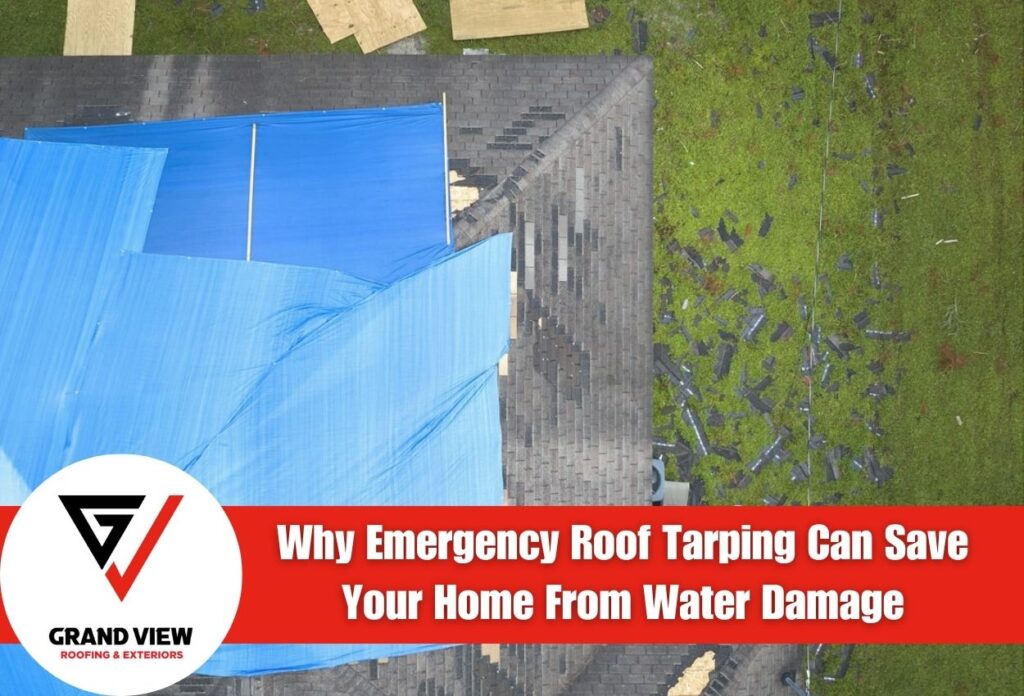
When severe weather strikes or unexpected roof damage occurs, every minute counts in protecting your home from devastating water damage. Emergency roof tarping serves as a critical temporary roof covering that creates an immediate barrier against the elements while permanent storm damage roof repair solutions are arranged.
The moments following roof damage represent a crucial window where quick action can mean the difference between minor repairs and extensive structural damage. Leaks through compromised roofing materials can rapidly spread throughout your home’s interior, damaging insulation, drywall, flooring, and personal belongings. This cascading effect transforms what might have been a manageable roofing issue into a comprehensive restoration project.
Professional roof tarp installation provides essential emergency roof protection that prevents water from getting into your home’s interior spaces. This temporary solution acts as an effective roof leak prevention measure, buying valuable time to assess damage thoroughly and coordinate proper repairs without the pressure of ongoing water intrusion threatening your property.
Common Situations That Require Immediate Roof Protection
Several scenarios create urgent situations where emergency roof protection becomes essential for homeowners. Bad weather represents the most frequent cause of sudden roof vulnerabilities that demand immediate attention through temporary roof covering solutions.
Severe storms bring multiple threats, including high winds that can lift or tear away shingles, leaving the underlying roof deck exposed to rain and moisture. Hail damage creates punctures and cracks in roofing materials, while fallen tree limbs can create large openings that compromise the entire roofing system. These storms often strike without warning, making roof tarp installation a critical emergency response measure.
Existing roof problems also create situations requiring quick emergency roof protection. Missing shingles from normal wear or previous storm damage leave vulnerable spots where water can get in. Cracked tiles, deteriorated flashing, or aging materials that have reached the end of their useful life can suddenly fail during routine weather conditions. These pre-existing conditions often become worse once water begins to leak into the roofing system, making temporary roof covering essential for effective roof leak prevention while scheduling professional storm damage roof repair services.
How Roof Tarping Prevents Secondary Damage to Your Property
Understanding the secondary damage risks that follow roof breaches helps homeowners recognize why emergency roof protection through tarping becomes essential. When roofing materials fail, and water begins infiltrating your home, the damage extends far beyond the initial point of entry, creating a domino effect throughout your property’s interior systems.
Leaks immediately threaten your home’s insulation, reducing its effectiveness and creating moisture pockets that promote structural deterioration. Drywall absorbs water rapidly, leading to warping, cracking, and eventual replacement needs. Flooring materials, particularly hardwood and laminate, suffer irreversible damage when exposed to moisture, while electrical systems face serious safety hazards from water contact. These cascading effects transform manageable roof repairs into extensive restoration projects.
The timeline for mold and mildew development creates additional urgency for roof tarp installation. These harmful organisms begin growing within 24 to 48 hours of moisture exposure, spreading throughout affected areas and releasing spores that pose significant health risks to families. Professional temporary roof covering prevents this moisture infiltration, eliminating the conditions necessary for mold growth while storm damage roof repair plans are finalized. This roof leak prevention approach protects both property value and family health through immediate emergency roof protection measures.
Essential Materials and Tools Needed for Effective Roof Covering
Successful emergency roof protection depends on selecting appropriate materials and securing hardware that can withstand weather conditions while providing reliable temporary roof covering. The effectiveness of roof tarp installation relies heavily on choosing the right combination of materials designed for storm damage roof repair situations.
Heavy-duty polyethylene tarps offer excellent water resistance and durability for most emergency roof protection needs. These tarps come in various thicknesses, with 6-mil to 12-mil options providing adequate protection for temporary roof covering applications. Canvas tarps provide superior tear resistance and longevity but require waterproof treatments for effective roof leak prevention. Sizing considerations become critical when covering damaged areas, as tarps must stretch beyond the compromised section to ensure complete water deflection.
Securing hardware forms the foundation of effective roof tarp installation, preventing wind uplift and maintaining protective coverage during weather. Roofing nails with large heads provide strong attachment points when driven through wooden boards placed along tarp edges. This board-and-nail system distributes stress across larger areas, reducing the risk of tear-out during high winds.
Heavy-duty rope systems and bungee cords offer additional securing options for areas where nailing proves impractical. Professional-grade fasteners and tie-down systems ensure the temporary roof covering remains intact throughout the emergency roof protection period, maintaining reliable storm damage roof repair coverage until permanent solutions can be implemented.
Safety Considerations Before Installing Roof Protection
Safety assessment represents the most critical step before attempting any emergency roof protection work. Roof conditions following storm damage often create unstable surfaces that pose serious risks to homeowners attempting roof tarp installation without proper evaluation.
Evaluating structural integrity requires careful inspection of visible damage from ground level before climbing onto any roof surface. Look for sagging areas, cracked rafters visible through openings, or sections where roofing materials have completely separated from underlying support structures. These conditions indicate compromised structural stability that makes DIY temporary roof covering extremely dangerous. Weather conditions also dictate safety parameters, as wet surfaces, high winds, or approaching storms create hazardous working environments that require professional intervention for safe emergency roof protection.
Personal protective equipment becomes essential when roof conditions allow for safe homeowner installation. Non-slip footwear with good traction prevents dangerous falls on wet or debris-covered surfaces. Safety harnesses and roof anchoring systems provide fall protection during roof tarp installation procedures. Proper ladder positioning requires three-point contact and adequate extension beyond the roof edge. Professional roofing contractors possess specialized equipment and training for working safely in compromised roof environments, making their services necessary when structural damage, severe weather, or steep roof angles create unsafe conditions for homeowner roof leak prevention efforts.
Professional Installation Benefits Against DIY Approaches
Professional roofing contractors bring specialized expertise to emergency roof protection that ensures proper water runoff management and the best securing techniques. Experienced professionals understand how water flows across different roof configurations and position temporary roof covering to maximize drainage effectiveness, preventing water pooling that can lead to additional structural damage.
Contractors possess advanced knowledge of roof tarp installation methods that account for wind uplift calculations and stress distribution across damaged areas. Their securing techniques utilize professional-grade materials and attachment methods that provide superior hold strength compared to standard DIY approaches. This expertise becomes particularly valuable during storm damage roof repair situations, where improper installation can result in tarp failure during subsequent weather.
Insurance considerations create significant advantages for professional installation over DIY emergency roof protection methods. Most insurance companies require detailed documentation of damage mitigation efforts, and professional contractors provide comprehensive reports that support claims processing. Their work often carries warranties and liability coverage that protect homeowners from additional costs if the temporary roof covering fails. Insurance adjusters frequently view professional roof leak prevention measures more favorably than homeowner installations, potentially affecting claim approval and settlement amounts. Professional documentation and certified installation methods strengthen insurance claims while ensuring the temporary roof covering meets industry standards for effective emergency roof protection.
Transitioning From Temporary Protection to Permanent Roof Repair
Temporary roof covering solutions provide essential emergency roof protection but have defined lifespans that require careful monitoring. Most roof tarp installation systems remain effective for several weeks to a few months, depending on material quality and weather exposure. Professional-grade tarps typically withstand longer periods than standard options, though all temporary solutions require regular inspection for signs of deterioration.
Several indicators signal the urgent need for permanent storm damage roof repair scheduling. Tarp edges showing fraying, tears developing around fastener points, or water pooling on the surface suggest diminishing effectiveness. Color fading indicates UV degradation that compromises material strength, while loose securing points create vulnerability during high winds. These warning signs demand immediate attention to maintain effective roof leak prevention and protection.
Working with qualified roofing contractors ensures a seamless transition, planning from emergency roof protection to comprehensive repairs. Contractors assess the underlying damage scope while maintaining the existing temporary roof covering throughout the restoration process. This dual approach prevents water infiltration during repair scheduling and material procurement phases. Professional evaluation identifies hidden damage that emergency tarping may have concealed, providing accurate repair timelines and preventing unexpected complications. Coordinating permanent repairs while preserving temporary protection requires contractor expertise to ensure continuous weather protection throughout the restoration period.
Secure Your Home with Grand View Roofing & Exteriors
Don’t let storm damage or unforeseen roof leaks escalate into expensive repairs. At Grand View Roofing & Exteriors, we specialize in emergency roof tarping to protect your home from severe water damage. Immediate action with our temporary roof covering services can save the structural integrity of your home and prevent the growth of mold and mildew, which pose serious health risks.
Whether it’s due to weather-related damage like hail or high winds, or existing vulnerabilities such as missing shingles or aging tiles, our professional roof tarp installation ensures your property remains safe and dry. Our expert team is equipped with the right materials and knowledge to swiftly manage any emergency roof protection needs, ensuring quick and effective coverage.
If you’re facing a roofing emergency or need immediate protection, don’t hesitate. Call Grand View Roofing & Exteriors now at (856) 305-9883 for rapid and reliable service that safeguards your home and your peace of mind.