





 24/7 emergency services


 Call Us Today - (856) 305-9883


What Is Window Replacement in South Jersey — and Do You Actually Need It?
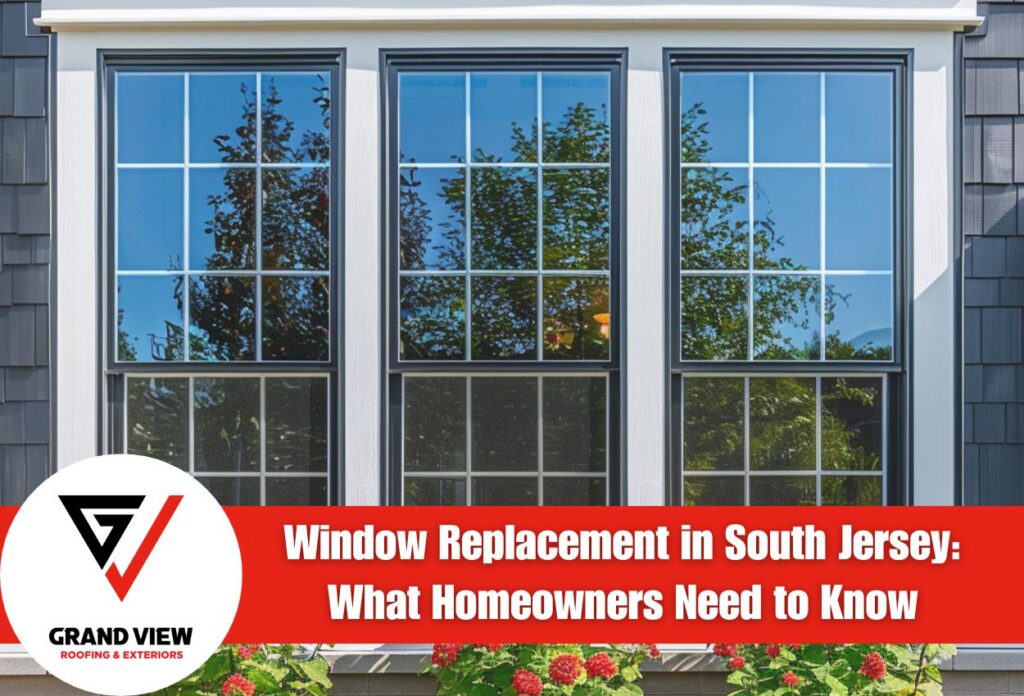
Window replacement in South Jersey is one of the most time-sensitive home improvement decisions a homeowner can make because the local weather patterns actively work against windows faster than in most inland markets. Humidity, salt content in the air from nearby coastlines, frequent coastal storms, and temperature swings between seasons all wear down frames, seals, and glass faster than average.
South Jersey windows typically last 15 to 20 years, but many fail well before that mark. Drafts around the frame, condensation trapped between glass panes, visible damage, rising energy bills, and windows that stick or won’t open properly are all signs that they should be replaced. These aren’t minor annoyances; they signal that a window is no longer doing its job.
This article covers everything a South Jersey homeowner needs to make a confident decision, such as how to spot the signs of failure, which materials hold up best in this climate, what replacement costs to expect, how to choose a reputable contractor, and how energy-efficient options can reduce long-term costs. By the end, you’ll know what to do when you find problems with the windows in your home.
Why Do South Jersey Windows Fail Faster Than Average?
Windows in South Jersey often fail in 10 to 15 years rather than the standard 15 to 20, and the local weather is the main reason why. Several climate stressors work together to break down frames, seals, and glass faster than almost anywhere inland.
Salt content in the air is the most damaging factor for properties near the coast. Wind carries microscopic salt particles that settle on window frames and seals year-round. Over time, this salt draws out moisture, corrodes metal hardware, and degrades the sealant used to hold double-pane glass units together. Once a seal fails, the insulating gas escapes, and the window loses most of its energy-blocking ability. Frames that are aluminum and lower-grade vinyl tend to show visible deterioration faster in coastal South Jersey than they would just 50 miles inland.
Summer humidity adds another layer of stress. South Jersey summers are hot and consistently humid, and that moisture works into any small gap around a frame. Wood frames absorb humidity and begin to rot. Even vinyl frames can warp or pull away from the surrounding wall if the original installation wasn’t tight. Seal failure is closely tied to this repeated exposure to high moisture levels.
How Temperature Changes and Storm Damage Speed Up Failure
South Jersey’s temperature swings between cold winters and hot summers cause window frames to expand and contract repeatedly throughout the year. That constant movement loosens seals and creates small gaps that grow over time. What starts as a minor draft becomes a significant air and water leak within just a few seasons.
Coastal storms make these gaps dangerous. Wind-driven rain doesn’t need a large opening to infiltrate a wall; it forces moisture through any compromised seal that’s under pressure, accelerating rot, mold growth, and structural damage around the rough opening. In South Jersey, windows aren’t just a feature for comfort, they’re a structural barrier against a climate that tests them constantly. Windows are one of several exterior components, along with a home’s siding and roof, that face this same accelerated wear in coastal and near-coastal areas of the region.
What Are the Signs That You Need Window Replacement in South Jersey?
There are around six warning signs that consistently indicate that South Jersey windows need attention, and at least three of them point directly to needing a full replacement rather than a simple repair. Knowing the difference saves time and prevents spending money on a fix that won’t last.
- Drafts near frames or sills: Any noticeable airflow along a frame or sill means the seal has failed or the frame has pulled away from the wall. In South Jersey, salty air and repeated temperature changes make the separation worse, and caulking alone rarely solves the underlying problem in windows older than 15 years.
- Condensation or fogging between panes: Moisture trapped inside a double-pane unit means the gas seal has broken and the insulating layer is gone. South Jersey’s humid summers push moisture into any compromised seal faster than drier climates would.
- Visible frame warping or rot: Warped, soft, or visibly deteriorating frames are a direct result of persistent salt content in the air and moisture exposure. Once a frame loses its shape or structural integrity, no amount of patching restores a weather-tight fit, a replacement is necessary.
- Difficulty opening, closing, or locking: Windows that stick or won’t latch properly often have warped frames or failed hardware. A single sticking window may be repairable, but if multiple windows show this pattern, the cause is usually widespread frame deterioration.
- Water stains on interior sills: Staining inside the home means water has already leaked past the frame. Coastal storms and wind-driven rain in South Jersey make this a common symptom in windows with compromised seals or cracked glazing.
- Noticeable increases in heating and cooling costs: If energy bills have climbed without a clear reason, failing window seals are a likely cause. Windows that no longer hold their insulating gas allow conditioned air to escape year-round, raising heating and cooling costs across both seasons.
Condensation between panes, frame rot, and persistent drafts are definite signs that you need to replace your windows. Difficulty operating a single window or minor cracking along the exterior caulk may allow for targeted repair, but any sign involving seal failure or structural frame damage calls for a conversation about a full replacement with a reputable contractor.
What Types of Replacement Windows Work Best in South Jersey’s Climate?
Vinyl windows are the dominant choice in South Jersey because they resist moisture and salt content in the air better than most other framing materials at a mid-range cost. In a coastal and humid environment like South Jersey, framing material matters more than it does in drier inland markets. The wrong choice can cut a window’s lifespan nearly in half.
| Material Type | Moisture Resistance | Salt Air Durability | Typical Lifespan in South Jersey | Relative Cost | Best Use |
|---|---|---|---|---|---|
| Vinyl | High; does not rot or corrode | Strong when properly installed | 15 to 25 years | $300 to $700 per window installed | Most South Jersey homes; best cost-to-performance ratio |
| Fiberglass | Very high; resists warping and moisture | Excellent; holds finish in salt air | 30 to 40+years | $600 to $1,200 per window installed | Coastal properties; high-performance |
| Wood | Low; absorbs humidity; rots in coastal climates | Poor without heavy maintenance | 10 to 15 years in South Jersey | $800 to $1,500 per window installed | Interior-facing or historically protected homes only |
| Aluminum | Moderate; resists rot but corrodes in salt air | Poor; pitting and corrosion are common near the coast | 10 to 15 years in South Jersey | $400 to $900 per window installed | Commercial applications; not recommended for coastal homes |
| Composite | Very high; combines wood fiber and polymer | Strong; more stable than wood in humid air | 20 to 25 years | $500 to $1,000 per window installed | Homeowners who want the look of wood with better durability |
For most South Jersey homeowners, double-pane windows with low-E coatings and argon gas fill hit the best balance between performance and cost. They block summer heat, hold warmth in winter, and slow the seal degradation that humidity accelerates. Homes with direct coastal exposure or frequent vulnerabilities to storms should upgrade to impact-resistant glass with reinforced frames, since wind-driven rain at that level puts standard double-pane units at real risk. Wood and standard aluminum frames are the weakest choices for this region and should be avoided in most replacement projects.
What Do Energy-Efficient Window Replacements Cost in South Jersey?
Replacing windows in South Jersey is a decision that benefits both interior comfort and cost-management, as hot, humid summers and cold winters mean window performance directly affects utility bills every month of the year. The installed cost per window ranges from roughly $150 on the low end for a basic single-pane option to $1,000 or more for impact-resistant double-pane options, and choosing the right glass package makes a real difference in long-term energy savings.
| Window Type | Materials Cost Per Window | Installed Cost Per Window | Typical Project Cost (10 to 12 Windows) | Energy Efficiency Rating |
|---|---|---|---|---|
| Standard Single-Pane | $75 to $150 | $150 to $400 | $1,500 to $4,800 | Standard; no ENERGY STAR, no coating |
| Standard Double-Pane | $150 to $300 | $300 to $600 | $3,000 to $7,200 | Standard; may meet basic ENERGY STAR |
| Low-E Double-Pane with Argon | $200 to $500 | $400 to $800 | $4,800 to $9,600 | ENERGY STAR rated; low-E coating with argon gas fill |
| Impact-Resistant Double-Pane | $400 to $800 | $700 to $1,000+ | $8,400 to $18,000+ | ENERGY STAR rated; low-E coating and impact-resistant glass |
Several factors specific to South Jersey can push a project above the standard range. Older homes may need structural adjustments before a new window fits correctly. Oversized or custom window openings require special-order units that cost more and take longer to source.
Second-story installations add labor time and may require additional equipment, while coastal-grade material upgrades, such as reinforced frames, impact-resistant glass, and better sealing compounds, add to the cost but are often worth it for properties with direct shore exposure.
How Does Window Replacement Improve Energy Efficiency in South Jersey Homes?
ENERGY STAR-certified replacement windows can reduce heating and cooling costs by up to 13% annually compared to single-pane windows, with South Jersey’s long, humid summers making cooling load reduction the biggest seasonal payoff. Older windows lose their insulating gas fill over time, forcing HVAC systems to work harder to maintain indoor temperature. Replacing them with low-E double-pane argon-filled units addresses that problem on three levels at once.
Here is how each technology directly reduces energy loss:
- Low-E coating: A microscopically thin metallic layer on the glass reflects infrared heat outward in summer and bounces interior warmth back inside in winter without blocking light from outside.
- Argon gas fill: Argon gas between the panes conducts heat roughly 33% less efficiently than plain air, reducing the transfer of outdoor temperature through the glass.
- Proper frame sealing: Air leaks around poorly sealed frames account for a measurable share of HVAC energy loss. A correctly installed replacement window eliminates the drafts that old or warped frames allow in.
| Feature | Old or Inefficient Windows | Energy Efficient Replacement Windows |
|---|---|---|
| U-Factor (lower = better insulation) | 0.45 to 1.20 | 0.17 to 0.30 (ENERGY STAR range) |
| Solar Heat Gain Coefficient (SHGC) | 0.60 to 0.86 — high summer heat gain | 0.20 to 0.40 — reduced solar load |
| Estimated annual energy impact | Higher heating and cooling costs; up to 30% of HVAC load from air leaks | Up to 12% annual reduction in heating and cooling costs |
| Comfort indicators | Drafts, condensation between panes, and uneven room temperatures | Consistent indoor temperature, no drafts, reduced condensation |
Federal tax credits add a financial incentive worth noting. Homeowners who install windows with an ENERGY STAR Most Efficient designation may qualify for a federal tax credit of up to 30% of product costs, capped at $600 per year under current IRS guidelines, which reduces the net project cost on a mid-range installation.
For South Jersey homes, the combination of a low solar heat gain and a U-factor below 0.30 is a good goal since it cuts summer cooling demands while holding heat in during cold weather. A reputable contractor can confirm which glass packages meet both ENERGY STAR requirements and the specific conditions of a given property before installation begins.
What’s the Best Time of Year for Window Replacement in South Jersey?
Spring and fall are the best times to replace windows in South Jersey. Mild temperatures during those months allow sealants and weatherproofing compounds to cure correctly, something that becomes harder to guarantee when installers are working in July heat or January cold. Crews also work more efficiently in moderate weather, which keeps labor time and the risk of installation errors lower.
That said, window replacement can be completed in any season. South Jersey winters are cold, but projects can still move forward when storm damage or a failed seal forces the issue. Winter installations require additional weatherproofing steps to protect the opening during the job, and a reputable contractor will account for that. Summer replacements are possible too, though scheduling is the bigger problem since peak demand from late spring through early summer means most contractors have compressed availability, and lead times stretch out.
Homeowners who schedule consultations in late winter or early spring tend to get better scheduling options and more room to compare bids before contractor calendars fill up. Booking ahead also reduces the pressure of making a fast decision during the busy season. Once June arrives, reputable contractors in South Jersey can be booked out several weeks or more, leaving fewer choices and less flexibility on timing.
For properties near the shore, storm damage can force a replacement at any point in the year. In those cases, acting quickly matters more than waiting for the right season. Outside of emergency situations, planning the project for a spring or fall gives the installation the best conditions and the homeowner the most control over the process.
How Long Does Window Replacement Take in South Jersey?
From the first phone call to the final walkthrough, most window replacement projects in South Jersey take 4 to 8 weeks, with the installation itself lasting just 1 to 3 days for a typical home with 10 to 12 windows. The weeks in between are spent on measurements, ordering, and scheduling, not on the actual work at your house.
- In-home consultation and measurement: A contractor visits the home to measure each opening and assess frame conditions. This step usually takes 1 to 2 hours and must happen before any order is placed since even small measurement errors can cause problems with the fit that delay the entire project.
- Quote and material selection: After the visit, the homeowner receives a written quote and selects the window style, frame material, and glass package. Expect this step to take 2 to 5 days if the contractor is responsive.
- Window manufacturing or ordering lead time: Standard-size windows typically ship within 2 to 4 weeks. Custom sizes or special orders may push lead time to 6 to 10 weeks, which is one of the most common reasons projects run long.
- Scheduling and permits: Some South Jersey towns require a permit for window replacement, especially when the size of the window is being modified. Permit processing adds 1 to 2 weeks in many jurisdictions. Contractor availability during peak spring and summer months can also add a scheduling lag.
- Installation day(s): A crew replacing 10 to 12 windows in a typical South Jersey home will finish in 1 to 3 days. Larger homes, second-story work, or structural modifications around the rough opening extend that timeline.
- Inspection and cleanup: The crew removes old frames, debris, and protective coverings before leaving. Any municipally required inspection is scheduled at this stage if a permit was pulled.
- Final walkthrough and warranty documentation: The contractor walks the homeowner through each window, confirms operation, and delivers written warranty paperwork covering both the product and the installation workmanship if it’s applicable.
A few situations routinely push the timeline past 8 weeks: custom window sizes, post-storm demand surges when local contractors get flooded with calls at once, and structural work needed to resize rough openings before installation can begin. Homeowners who plan ahead and avoid the peak spring rush give themselves the best chance of staying within the 4 to 8 week range.
What Makes a Window Replacement Company the Best in South Jersey?
A qualified South Jersey window replacement contractor should be licensed in New Jersey, carry liability insurance and workers’ compensation, and have direct experience with coastal installation conditions. These three factors alone eliminate most low-quality bids before you get to price.
Use this checklist when evaluating any contractor:
Licensed and insured in New Jersey: Verify the contractor holds a valid New Jersey Home Improvement Contractor license. Ask for proof of liability insurance and workers’ compensation coverage before signing anything.
Local coastal experience: South Jersey’s wind-driven rain and humidity require installation techniques that differ from inland projects. Ask specifically whether the contractor has completed jobs in nearby communities.
Verified reviews on Google, Houzz, or the BBB: Don’t just look for the company with a high star rating from years ago; instead, look for a pattern of recent reviews. A contractor with 20+ reviews from the past 12 months tells you more than one with 100 older ones.
Manufacturer-certified installer status: Certification from a major window brand means the installer has met that manufacturer’s training standards, which often affects whether the product warranty stays valid after installation.
Written warranty covering product and labor: Get both in writing. A product warranty without a separate workmanship warranty leaves you unprotected if the installation itself causes a failure within the first few years.
Transparent itemized written quotes: Every quote should break out labor, materials, disposal fees, and any permit costs as separate line items, not just provide you with a single lump sum.
No high-pressure tactics or unusually low bids: A bid that comes in 30% to 40% below others is a red flag, not a deal. Fast-expiring offers and same-day pressure to sign are warning signs of a contractor cutting corners.
References from comparable local projects available on request: Ask for two or three references from South Jersey homeowners with similar projects completed in the past year. A reputable contractor will provide them without hesitation.
Be wary of cheap quotes that leave out certain items that matter, such as proper flashing and trim work, disposal of old frames, and quality sealants rated for coastal exposure. Skipping those details saves money upfront, but creates water intrusion and seal failure problems within a few years. An itemized quote is the fastest way to spot what a low bid is leaving out. Asking the right questions before hiring a window contractor in New Jersey helps homeowners compare bids on equal terms rather than guessing what each price actually includes.
How Do You Compare Window Replacement Quotes in South Jersey Without Getting Misled?
Two quotes for the same 10-window job can differ by thousands of dollars, and both differences can be legitimate or deceptive depending on what each quote actually includes. Informed comparison means checking line items, not just totals. Any quote that arrives as a single lump sum without breaking out materials, labor, and disposal costs warrants follow-up questions before you go any further.
A complete, itemized window replacement quote should include the cost per window for material, labor, frame or structural work if needed, removal and disposal of existing windows, flashing and waterproofing materials, caulking and finishing, and written warranty terms for both the product and the installation. Missing any of these line items does not automatically mean a contractor is cutting corners, but it does mean you need to ask where those costs went.
| Quote Evaluation Criteria | What to Look For | Red Flag Indicator |
|---|---|---|
| Total cost | Broken into labor, materials, disposal, and permit fees as separate line items | Single lump-sum price with no breakdown |
| Warranty coverage | Separate written warranties for both the window product and the workmanship | Verbal promise only, or product warranty with no workmanship coverage |
| Material brand and grade | Named manufacturer, specific product line, and frame material listed | Generic description like “vinyl window” with no brand or grade specified |
| Installation method | Full-frame replacement or insert installation is clearly identified | Method not specified; these two approaches differ in cost and performance |
| Lead time | Estimated weeks from order to installation start date provided in writing | No timeline given or vague answer like “a few weeks” |
| Contractor licensing | Valid New Jersey Home Improvement Contractor license number provided on request | Contractor declines to share license number or proof of insurance |
Collect a minimum of three written quotes from South Jersey window replacement contractors before committing to any one of them. Remember that the best value is not always the lowest cost; workmanship quality and warranty protection directly affect how well windows hold up against South Jersey’s salty air, humidity, and frequent temperature swings over time. A bid that comes in 30% to 40% below the others is worth scrutinizing closely, not celebrating.
What Is the Long-Term Value of Window Replacement in South Jersey?
Window replacement in South Jersey delivers measurable value through three channels: reduced energy costs, improved resale value, and lower maintenance requirements over the lifespan of the new windows. Industry benchmarks show that mid-range window replacement projects return approximately 60% to 70% of project cost in home resale value, and in the South Jersey market, where buyers increasingly prioritize energy efficiency and storm resilience, well-documented window upgrades can be a differentiating asset when a home hits the market.
The case for installing a new window for energy savings is straightforward. Older windows with failed seals, degraded weatherstripping, or single-pane glass allow conditioned air to escape year-round. That forces heating and cooling systems to work harder and run longer, driving up utility bills every month. Replacing those windows with double-pane, low-E glass units with quality seals around the frame addresses air infiltration directly and reduces that ongoing HVAC overuse.
The savings that come from not needing consistent maintenance is often overlooked but adds up just as fast. Wood and older aluminum windows require repainting, re-caulking, and weatherstripping replacement on a recurring basis. New vinyl windows eliminate most of those recurring tasks entirely. Over a 15 to 20 year lifespan, the cumulative savings from skipping repaints, re-caulks, and excess energy use can offset a meaningful portion of the upfront replacement cost, making the long-term math stronger than the sticker cost alone suggests. That combination of resale value, energy savings, and eliminated maintenance costs is what makes window replacement one of the more defensible home improvement investments a South Jersey homeowner can make.
Does Window Replacement in South Jersey Require Permits or Inspections?
Like-for-like window replacements in the same rough opening often do not require a permit in New Jersey, but that rule varies by town, and projects involving structural changes, egress window modifications, or new window openings typically do. Permit requirements are not standardized across South Jersey. What one township approves without paperwork, a neighboring town may require an inspection for. The only reliable way to know is to check with the local construction office before work begins.
Reputable South Jersey window replacement contractors handle permit research and filing as part of the project. Before signing any contract, confirm in writing which party is responsible for pulling permits, since leaving that responsibility undefined creates delays and potential code violations that fall on the homeowner. If a contractor dismisses the permit question or says it is not necessary without checking local requirements, that is a warning sign worth taking seriously.
Homeowners in communities along the coast face an additional layer of code requirements. Certain jurisdictions, particularly properties in FEMA-designated flood zones or high-wind exposure areas, require windows to meet specific impact resistance or wind load ratings. Those requirements directly affect which products qualify for installation and can add to overall project costs. A contractor with experience along the South Jersey shore will already know which coastal townships enforce these standards and can factor them into material selection and project scope from the start.
Window Replacement in South Jersey — Frequently Asked Questions
South Jersey homeowners replacing windows for the first time often have the same practical questions after reviewing quotes and contractor options. These answers address the most common ones directly.
Q: How many windows can be replaced in one day?
A: Most experienced crews can replace 10 to 15 standard-sized windows in a single day under normal conditions. Larger custom windows, full-frame replacements, or homes with difficult access points will slow that pace. A crew working on a full-home replacement with 20+ windows will typically need two days minimum.
Q: Can windows be replaced in winter in South Jersey?
A: Yes. Contractors replace windows year-round in South Jersey, though temperatures below 40 degrees Fahrenheit can affect how sealants and caulk cure. Reputable contractors work around cold weather by using products rated for low-temperature application and scheduling accordingly.
Q: What warranty should I expect on replacement windows?
A: Quality window products typically carry a limited lifetime warranty on the glass and frame. Labor or workmanship warranties are separate and commonly range from 1 to 10 years, depending on the contractor. Always get both in writing before work begins.
Q: Are financing options available for window replacement?
A: Most South Jersey window contractors offer financing through third-party lenders, with terms commonly ranging from 12 to 84 months. Some manufacturers also offer promotional financing tied to specific product lines. Ask for written terms before agreeing to any financing arrangement.
Q: What is the difference between full-frame and insert window replacement?
A: Insert replacement fits a new window into the existing frame and is faster and less expensive. Full-frame replacement removes everything down to the rough opening and works best when frames show rot, water damage, or structural wear; conditions common in older South Jersey coastal homes.
Q: How do I know if windows need replacement versus repair?
A: Windows with failed seals, visible rot, or frames warped enough to prevent full closure typically need replacement, as repairing those problems is a short-lived fix. Broken hardware, minor drafts, or a single cracked pane often qualify for repair instead, which costs far less than full replacement.
Ready to Get Started? Contact a Trusted South Jersey Window Replacement Contractor Today
Waiting to fix failing windows costs real money, as degraded seals and aging frames drive up heating and cooling bills every month, while South Jersey’s salt air and humidity push damage further.
Grand View Roofing & Exteriors works with South Jersey homeowners to assess failing windows and deliver honest, itemized quotes with no pressure. The next step is a professional in-home consultation before seasonal weather adds more wear to windows already showing signs of failure.
Not ready to schedule? Learn more about window replacement services in South Jersey.
Related Articles
-
 June 4, 2026Asphalt Shingle Roofing in NJ: Types, Costs & LifespanCompare asphalt shingle types, costs, and lifespan, then get your free South Jersey estimate today.
 -
 June 10, 2025Transform Your Home: The Ultimate Guide to Energy-Efficient Window InstallationCut energy bills and boost comfort see how energy-efficient windows maximize your investment.
 -
 August 25, 2025Transform Your Home: Creative Window Trim Ideas for Your Home RenovationWindow trim ideas to boost style, value, and durability—plus DIY tips and weather-resistant options.
Protect Your Home with Expert Roofing
Don’t wait for leaks or storm damage to cause costly repairs. Our experienced roofing team provides fast, reliable service, high-quality materials, and lasting results. Ensure your home stays safe, secure, and looking great—contact us today for a free estimate.