





 24/7 emergency services


 Call Us Today - (856) 305-9883


Roof Replacement in Audubon, NJ
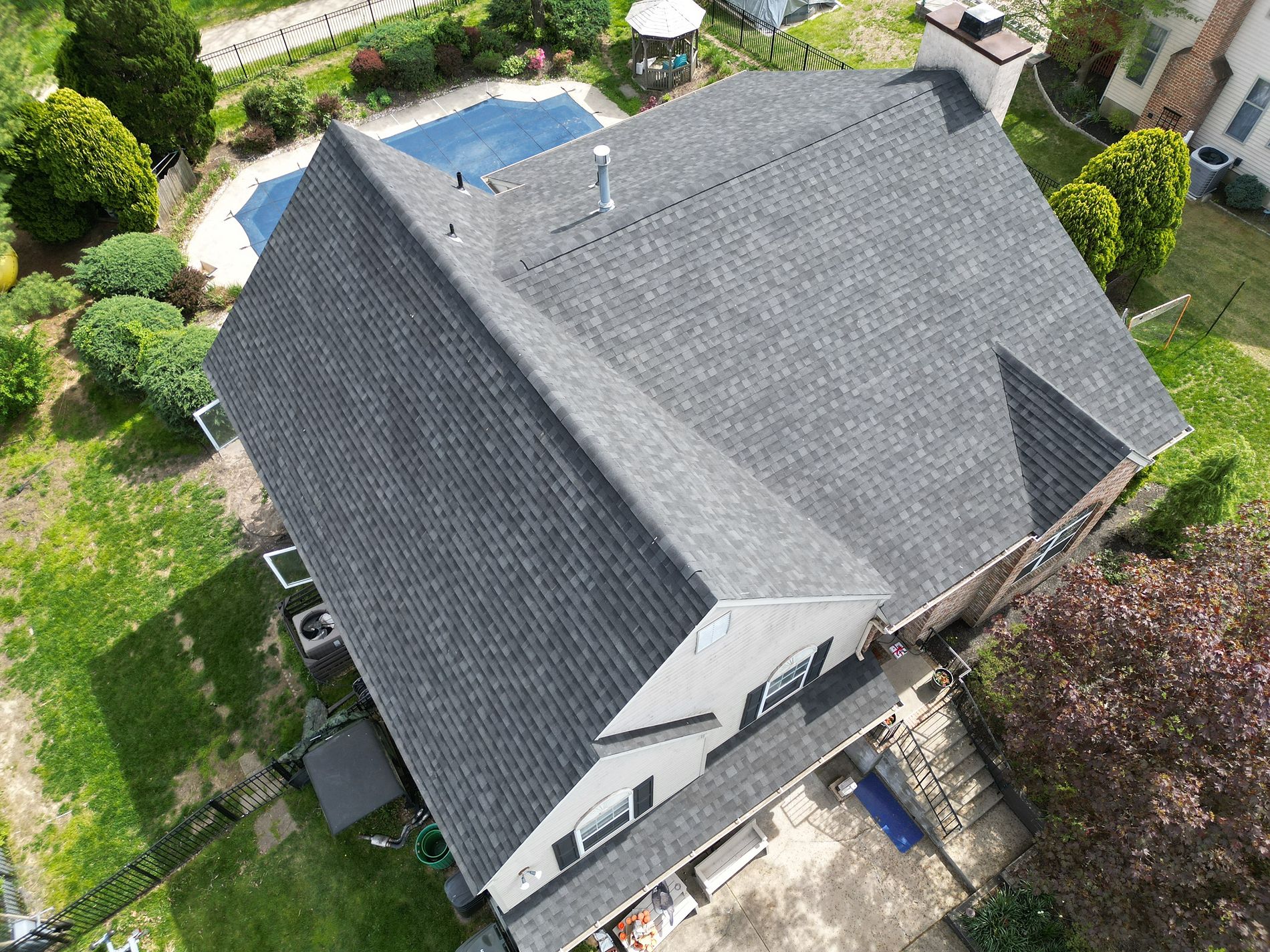
Audubon sits in a region where the weather does not go easy on rooftops. Summers bring heat and heavy rain, winters push temperatures down into the 20s, and those repeated temperature changes cause shingles to expand, contract, crack, and loosen over time. Add in the elevated humidity that comes with being close to the Delaware River, and you have conditions that accelerate moss growth and shingle deterioration faster than many homeowners expect. A large portion of homes in Audubon were built between the 1940s and 1970s, meaning a lot of roofs in this area are pushing or exceeding their natural lifespan. When aging shingles start shedding granules, curling at the edges, or letting water through around the chimney or vents, a replacement is not far off.
A full roof replacement done right addresses all of that at once. Rather than patching over worn materials, a complete tear-off exposes the roof deck underneath, so any rotted or damaged sections get repaired before new underlayment and shingles go on. That process matters especially on older Audubon homes, where years of moisture exposure can hide deck damage that a quick overlay would simply cover up. Grand View Roofing & Exteriors works with homeowners throughout the area who are ready to stop managing recurring problems and protect their home with a roof built to handle what this region actually throws at it.
How Roof Replacement Works in Audubon, NJ
Knowing what to expect at each stage makes a roof replacement easier to follow and reduces uncertainty throughout the project. Here is how Grand View Roofing & Exteriors manages the process from start to finish.
- Step 1: Initial Roof Inspection
We begin with a ground-level assessment to identify visible issues such as missing shingles, curling edges, or uneven wear. We then move to a full on-roof inspection, examining the roof decking, flashing, underlayment, and key transition points around chimneys, vents, and valleys. Signs of leaks, rot, and general deterioration are documented to establish the roof’s actual condition before recommendations are made. - Step 2: Professional Assessment and Recommendation
After the inspection, we provide a clear explanation of the roof’s condition. If localized repairs are sufficient to extend its service life, we explain that option and why a full replacement may not be necessary. If the system shows broader failure in materials or structure, we outline why replacement is the appropriate long-term solution so the decision is based on documented findings. - Step 3: Material Selection and Detailed Proposal
We review material options based on performance in local weather conditions and explain how each option differs in durability and application. A detailed, itemized proposal is then provided so the scale of work is clearly defined. For full replacements in Audubon, we also account for required borough permitting, including typical review timelines before work can begin. - Step 4: Full Roof Replacement Work
The process begins with a complete tear-off of existing materials to expose the roof decking for inspection. Any damaged or weakened sections are repaired before new underlayment is installed as a moisture barrier. Shingles are then applied in a structured sequence, with careful attention to flashing and all roof gap points to ensure proper sealing and long-term performance. - Step 5: Final Inspection and Project Review
Once installation is complete, the finished roof is thoroughly inspected, including flashing, shingle alignment, and repaired roof decking areas. We review the completed work with you on-site so you can see the results directly. The property is fully cleaned, and any remaining questions about the installation or maintenance are addressed before the project is closed.
Roof Replacement Materials and Permits in Audubon, NJ
Choosing the right material for your roof matters more than most homeowners realize, and so does understanding what the permit process looks like before work begins. Audubon falls under Camden County jurisdiction, but requirements can vary at the borough level, so it is worth confirming specifics with local offices before your project starts.
| Topic | What to Know | Why It Matters |
|---|---|---|
| Material Choice | Asphalt shingles are the most common selection for Audubon homes, proven to hold up well against the region's rain, temperature changes, and humidity | Matching materials to local weather conditions extends the life of your roof |
| Wind and Impact Resistance | Fortified installation methods are available to improve performance against strong wind gusts that loosen worn shingles | Older Audubon homes benefit from added protection given their age and exposure history |
| Building Permits | Full replacements in Audubon generally require a borough-level building permit: processing typically runs a few weeks | Code compliance covers structural support and material quality, protecting your investment |
| Workmanship Warranties | Quality contractors offer warranties covering both labor and materials | Local weather patterns make warranty coverage an important part of any replacement decision |
Getting these details sorted before installation begins keeps your project on schedule and protects you from surprises down the road. Grand View Roofing handles the permit process on your behalf so nothing falls through the cracks.
Full Deck Repair During the Open Roof Stage
Once the old materials come off, any sections of rotted or soft roof decking get repaired before a single piece of new underlayment goes down. On homes built in the 1940s through 1970s, this step is especially important because years of moisture exposure often hide deck damage that you cannot spot until the roof is fully open.
Moisture Barrier Underlayment
A proper underlayment layer goes down across the entire deck surface before shingles are installed, giving your home a secondary line of defense against leaks. In a region with around 45 inches of annual rainfall and occasional ice buildup in winter, that barrier matters as much as the shingles themselves.
Flashing Replacement at Every Gap
New flashing is sealed around chimneys, vents, and roof valleys as part of the replacement, not left in place from the old roof. Deteriorated flashing is one of the most common sources of leaks on older Audubon homes, and replacing it during the project closes off those problem areas for good.
Moss and Deterioration Mitigation for Shaded Rooflines
Audubon's proximity to the Delaware River keeps humidity levels elevated, which accelerates moss growth on shaded sections of your roof. Your replacement addresses this by starting with clean, sound roof decking and properly installed materials that resist the kind of moisture buildup that wore down your previous roof over time.

Replace Your Aging Roof in Audubon, NJ
Homes in this part of Camden County have weathered decades of rain, heat, and cold, and roofs that have been in place since the mid-twentieth century have absorbed most of that over the years. A replacement gives your home a clean start with materials and installation methods suited to what this area actually needs. Whether you are heading into summer with heavy rain on the way or planning before conditions make scheduling tighter, getting the work done sooner rather than later protects you from the kind of damage that turns a straightforward project into a much larger one.
If your roof is showing signs of age or you simply want to know where things stand, Grand View Roofing and Exteriors is a straightforward call or message away. We are happy to take a look, give you an honest picture, and help you figure out the right path forward for your home.
Frequently Asked Questions
Does the humidity near the Delaware River actually affect how long my new roof will last?
It can, particularly on sections of your roof that stay shaded for most of the day. Elevated humidity accelerates moss and algae growth, which holds moisture against shingles and gradually breaks down the material beneath. Proper installation with the right underlayment and clean, sound roof decking gives your new roof the best chance of resisting that kind of wear over time.
What happens if rotted roof decking is found once the old shingles come off?
Any soft or deteriorated sections of roof decking get repaired before new underlayment goes down. This is one of the reasons a full tear-off is worth doing correctly, because damaged roof decking discovered at the open roof stage can be addressed right then, rather than left to get worse under new materials. The scale of that repair depends on how much moisture has worked its way through over the years, which is something your contractor can walk you through once the old materials are removed.
Do I need to be home during the installation, and how disruptive is the process to daily life?
You do not need to be present the entire time, but being available at the start and end of the day is helpful so you can ask questions and see the finished walkthrough firsthand. The work itself involves noise and activity around the exterior of your home, so it is worth planning around that for a day or 2. Your contractor should leave the site clean at the end of each work day, including picking up any nails or debris around the yard and driveway.