





 24/7 emergency services


 Call Us Today - (856) 305-9883


Emergency Roof Repair in Cherry Hill, NJ

Cherry Hill gets hit hard by the weather. Between spring storms that roll through with heavy rain and wind, summer heat that pushes into the upper 80s, and winter cold that drops toward the high 20s, your roof takes a beating year-round. Those temperature changes cause shingles to crack and flashing to loosen over time, and when a strong storm arrives, a roof that was already stressed can give way fast. Add in the roughly 46 inches of rain the area sees each year, and it's easy to understand why Cherry Hill homeowners deal with more than their share of emergency repair situations.
When something goes wrong with your roof, waiting is not an option. A small leak can spread to your attic insulation, framing, and ceilings within hours. Visible sagging, missing shingles, or water actively coming through are signs that the situation needs professional attention right away, not tomorrow. Grand View Roofing & Exteriors works with homeowners across Cherry Hill who need fast, reliable repairs from a team that knows the local conditions and responds quickly when problems can't wait.
Getting your roof stabilized and properly repaired by someone you can trust makes a real difference in protecting your home and the investment you've made in it. That starts with showing up prepared, inspecting the full scale of the damage, and getting to work without delay.
How Emergency Roof Repair Works in Cherry Hill, NJ
A roofing emergency can feel overwhelming, but the process becomes much easier once you know what to expect. From the first phone call through the completed repair, each step is focused on protecting your home and resolving the problem as efficiently as possible.
- Step 1: Rapid Response and Initial Assessment
As soon as you contact us, we begin coordinating a quick visit to your property. Our first objective is to evaluate the situation, determine how severe the damage is, and identify any immediate safety concerns. Whether the issue involves a leak, missing roofing materials, or storm damage, we focus first on what needs immediate attention to prevent the problem from escalating. - Step 2: Emergency Protection Measures
Before permanent repairs begin, we secure the affected area against additional weather exposure. Depending on the damage, that may involve installing temporary tarps, fastening loose materials, or sealing vulnerable openings. Taking these steps early helps minimize additional leaks and protects your home's interior while the repair plan is finalized. - Step 3: Complete Roof Evaluation
Once the immediate risk has been addressed, we inspect the surrounding roof to determine the full extent of the damage. We examine shingles, flashing, roof gaps, roof decking, and other connected components that may have been affected but are not immediately visible. If the damage is confined to a small section, we will explain that clearly rather than recommending more work than the roof actually requires. - Step 4: Repair Plan and Restoration
After reviewing the inspection findings with you, we explain the recommended solution in straightforward terms and answer any questions before work begins. Once approved, we complete the necessary repairs using materials that match your existing roof whenever practical and restore the affected area to proper working condition. Many emergency repairs can be completed the same day, depending on weather conditions and material availability. - Step 5: Final Review and Long-Term Guidance
When the repair is finished, we perform a final inspection to confirm everything has been completed correctly. We review the work with you, explain what was repaired, and point out any areas that should simply be monitored over time. The goal is to leave you with a roof that is secure and a clear understanding of its current condition.
What Qualifies as a Roof Emergency in Cherry Hill, NJ
Not every roof problem needs a same-day call, but some situations genuinely cannot wait. Knowing the difference helps you act quickly when it matters most and avoid unnecessary panic when it doesn't.
| Emergency Type | Common Cause | Response Priority |
|---|---|---|
| Active leak inside the home | Cracked flashing, missing shingles, or storm damage | Immediate |
| Visible sagging or bowing | Structural roof deck damage or prolonged water exposure | Immediate |
| Large section of missing shingles | High winds or fallen tree limbs | Same day |
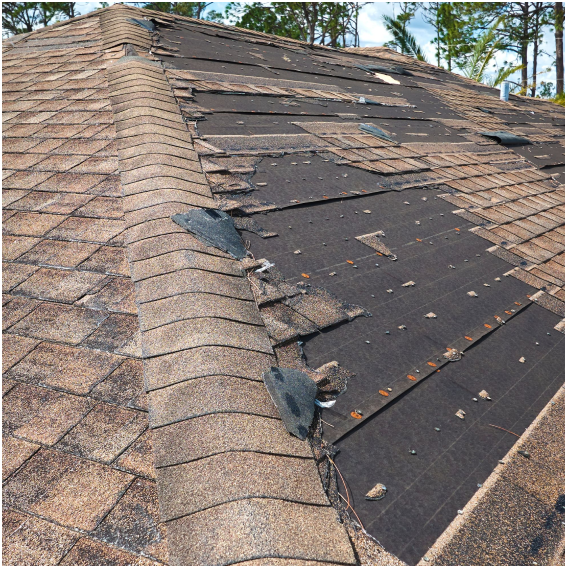
| Exposed roof deck | Torn shingles or impact damage | Same day |
| Damaged or open flashing | Temperature changes, age, or storm impact | Within 24 hours |
Cherry Hill's storms can turn minor vulnerabilities into serious problems fast. If water is coming through your ceiling, your roof deck is exposed, or anything looks structurally compromised, treat it as an emergency. When you're unsure, calling sooner rather than later is always the right move. A quick inspection now is far less disruptive than dealing with damaged framing or soaked insulation later.
Storm Debris and Impact Damage Repair
Fallen tree limbs and wind-driven debris are among the most common causes of emergency roof damage in Cherry Hill, especially during spring and fall storms. We remove any lodged material, repair the underlying roof deck if it's been punctured or cracked, and replace shingles or flashing in the affected area so the repair holds up to whatever comes next.
Flat Roof and Membrane Leak Repair
Not every Cherry Hill home has a pitched shingle roof, and flat or low-slope sections are especially vulnerable to standing water and leaks after heavy rain. We address membrane failures, seam separations, and drainage issues specific to these types of roofs so water has no path inside.
Emergency Flashing Repair and Resealing
Flashing around chimneys, vents, and roof valleys is one of the first things to fail under the temperature changes Cherry Hill sees year to year. When flashing pulls away or cracks, water finds its way in fast, and we reseal or replace the damaged sections with materials rated for the local weather conditions.
Structural Roof Deck Repair for Compromised Areas
When water has been sitting long enough, or impact damage is severe enough, the roof deck itself can soften, crack, or begin to bow. We repair or replace the damaged roof decking before laying new surface materials, so your finished repair has a solid base that won't give way under the next round of rain or snow.
Get Emergency Roof Repairs Handled in Cherry Hill, NJ
Cherry Hill's weather does not give roofs much of a break. The combination of wet springs, humid summers, and cold winters creates conditions that wear on shingles and flashing steadily over time, so when a storm hits a roof that is already under stress, the damage can move quickly. Catching a problem early and getting it properly repaired keeps a short, straightforward fix from turning into a much larger project that affects your ceilings, insulation, and framing.
If your roof has been damaged or you have noticed something that does not look right, Grand View Roofing & Exteriors is ready to help. We know the local conditions, we show up prepared, and we do not leave until your home is protected. Reach out whenever you are ready, and we will take it from there.
Frequently Asked Questions
Does a temporary tarp actually hold up until permanent repairs can be scheduled?
A properly installed emergency tarp can last for several weeks when secured correctly, but the quality of the installation matters a great deal. A tarp that is not anchored well can lift in high winds or allow water to pool in the wrong spots, which creates new problems. When we tarp a roof, we use heavy-duty material and fasten it in a way that accounts for Cherry Hill's wind conditions so it does its job until permanent work is done.
Can Cherry Hill's temperature swings actually cause immediate roof failure, or is that a slower process?
It's usually a slower process, but the failure often shows up suddenly during a storm. Shingles and flashing weaken gradually through repeated temperature changes across seasons, and then a single heavy rain or wind storm exposes what was already compromised. That is why roofs in this area sometimes seem to fail without warning, even when there was no dramatic impact. The damage had been building quietly before the weather finally exposed it.
What should I do inside my home while waiting for a repair crew to arrive?
Move anything valuable or water-sensitive away from the area directly below the leak, and place buckets or towels to contain the water. If you notice the ceiling bulging or sagging, puncture a small hole at the lowest point to let water drain in a controlled way rather than letting it build up until the ceiling gives way. Avoid the area if there is any structural concern and keep the space as dry as possible to reduce the risk of mold starting before repairs are complete.