





 24/7 emergency services


 Call Us Today - (856) 305-9883


Emergency Roof Repair in Collingswood, NJ
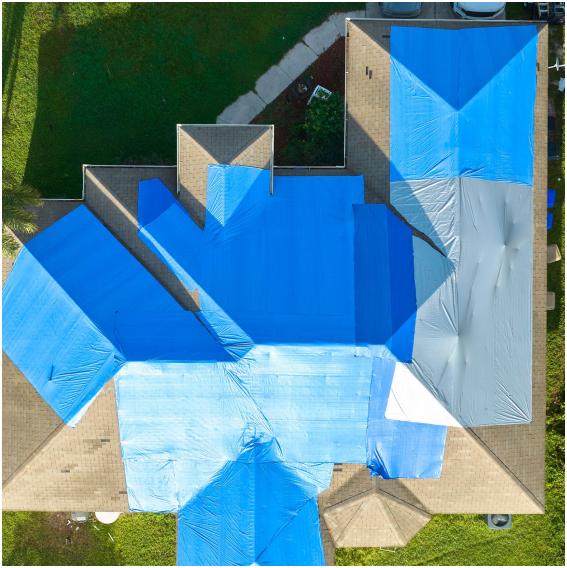
Collingswood sits in a region that sees around 47 inches of rainfall annually, summer storms that can push wind speeds past 50 mph, and winter temperatures that dip near 20 degrees Fahrenheit. That combination puts real pressure on residential roofs, especially in a neighborhood where a large share of homes were built between the 1920s and 1960s. Older roofing materials were not designed to hold up against the kind of wind and temperature changes this area delivers year after year. When a storm rolls through and shingles start lifting or coming off entirely, water can enter your home within minutes, and that water does not stay in one place. It moves along wood grain, wicks into insulation, and can reach electrical wiring and light fixtures quickly, turning an urgent roof problem into a genuine safety concern.
That is exactly why a fast, knowledgeable response matters so much. Grand View Roofing and Exteriors provides same-day storm damage repair to homeowners across Collingswood, NJ, with crews that arrive ready to stop active damage using tarps, sealants, and the materials needed to stabilize your roof the same day. Whether a storm pulled shingles off your ridge line or a fallen branch exposed your underlayment, getting the right team on your roof quickly is what protects the rest of your home from the damage that follows water once it finds a way in.
How Emergency Roof Repair Works in Collingswood, NJ
Water coming through your roof creates enough stress on its own. Knowing how the repair process unfolds helps you make informed decisions while your home is being protected and restored.
- Step 1: Fast Dispatch and Damage Assessment
Your emergency starts with a call, and our priority is getting a crew headed your way as quickly as conditions allow. Once we arrive, we identify where water is entering, assess the severity of the damage, and determine which areas need immediate attention. Responding quickly helps limit additional damage while giving us a clear starting point for the repair. - Step 2: Emergency Leak Control
The first job is preventing more water from getting inside your home. Depending on what we find, we may install emergency tarps, seal exposed openings, or secure damaged roofing materials that have been displaced by wind or impact. These temporary measures keep the situation from getting worse while the permanent repair is being prepared. - Step 3: Detailed Roof Evaluation
After the leak has been contained, we inspect the surrounding roof to uncover any damage that may not be immediately visible. Shingles, flashing, gutters, roof gaps, and structural components are all evaluated to make sure the repair addresses the source of the problem instead of just the symptoms. If the issue is smaller than expected, we'll tell you that and recommend only the work your roof actually needs. - Step 4: Permanent Repair and Restoration
Once we've reviewed the findings with you, we explain the recommended repair and answer any questions before work begins. Using materials compatible with your existing roof, we restore the damaged area with attention to long-term performance rather than a temporary patch. Many emergency repairs can be completed the same day, depending on weather conditions and the extent of the damage. - Step 5: Final Inspection and Maintenance Advice
Before the job is complete, we inspect the finished repair and review everything with you. You'll know what was repaired, why it failed, and what to keep an eye on moving forward. If there are maintenance items that could help reduce the risk of future leaks, we'll point those out so you have a better understanding of your roof's condition going forward.
Recognizing a Roof Emergency in Collingswood, NJ
Not every storm leaves obvious damage, and some of the most serious problems are easy to miss from the ground. Knowing what to look for right after a storm can mean the difference between a quick repair and a much larger problem spreading through your home.
- Missing or displaced shingles: Check your yard and roof line after any storm. Shingles on the ground or visibly shifted on the surface of the roof mean water has a direct path inside.
- Dented gutters or downspouts: Dents in metal gutters are a reliable signal that hail struck with enough force to damage your shingles too, even if the roof looks intact from below.
- Ceiling stains or wet spots indoors: Water stains on your ceiling or walls often appear hours after a storm ends. If you see new discoloration, the roof already has an opening.
- Sagging roofline or visible deformation: A roofline that looks uneven or buckled suggests structural stress that goes beyond a shingle repair and needs immediate attention.
- Water near electrical fixtures: If water is dripping near light fixtures, ceiling fans, or wiring, leave the area and call for emergency service right away. This is a safety issue, not just a roofing issue.
Older Collingswood homes are especially vulnerable because aging materials give way faster under wind and hail. Doing a quick walk around your property after every major storm is one of the simplest ways to catch problems before they grow. You can learn more about the roofing services we offer in this area to see how we support homeowners throughout the season.
Same-Day Shingle Replacement
When wind pulls shingles off your roof, every hour that opening is exposed allows water to move deeper into your home's structure. We carry replacement shingles and roof cement on every emergency call so we can fit, secure, and seal new shingles the same day, not leave you waiting with a tarp as a long-term fix.
Flashing Repair and Resealing
Flashing around chimneys, vents, and roof edges is one of the first places to fail during a storm, and a broken seal there can funnel water directly into wall cavities and framing. As part of emergency repair work, we inspect and reseal any flashing that has lifted, cracked, or separated so water does not continue finding a way in through those seams.
Underlayment Exposure Response
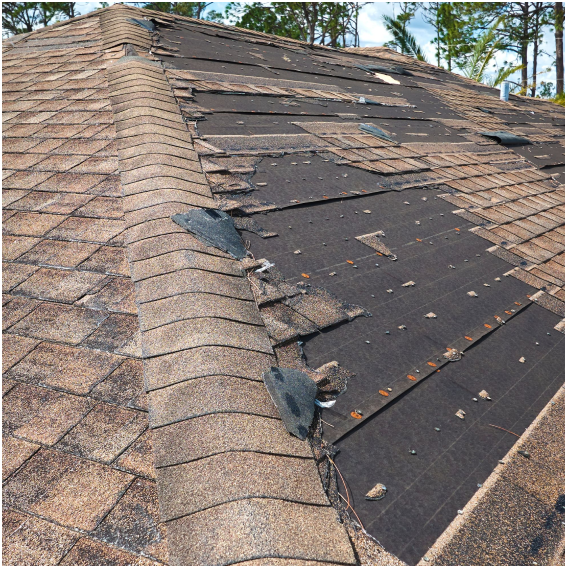
When shingles blow off or a branch tears through your roof’s surface, the underlayment beneath is often left exposed to rain and sun. We address exposed underlayment directly during emergency visits by covering or replacing damaged sections, which is an important step that keeps water from reaching the roof decking and framing underneath.
Structural Stabilization for Storm Impact Damage
Heavy branch strikes or severe wind storms can stress rafters and roof decking beyond what surface repairs alone can address. If we find cracked or compromised structural parts during an emergency call, we take immediate steps to stabilize the affected area and give you a clear picture of what additional work is needed to restore your roof’s full structural integrity.
Get Emergency Roof Repairs Done in Collingswood, NJ
Collingswood's wet seasons and sharp temperature changes take a toll on roofs year after year, and homes built before mid-century tend to feel that pressure most. When a storm creates an opening in your roof, the damage does not wait for a convenient repair window. Acting quickly protects your home from the kind of interior damage that turns a straightforward repair into a much larger project. Getting a qualified crew on your roof the same day is simply the most practical way to protect your investment in your property.
Grand View Roofing and Exteriors is ready to respond when you need emergency roof repair in Collingswood, NJ. If you have active damage or spotted warning signs after a recent storm, reach out and let us take a look. We will give you a clear picture of what is happening and handle repairs correctly so your home is protected before the next round of weather arrives.
Frequently Asked Questions
My roof was just replaced a few years ago. Can it still be damaged in a storm?
Yes, even newer roofs can suffer storm damage, especially when winds climb past 50 mph, which happens regularly during summer storms in the Collingswood area. Shingles rely on proper nailing patterns and adhesive strips to stay sealed, and a strong enough gust can lift edges or pull fasteners loose regardless of the roof's age. If you notice anything displaced or see ceiling discoloration after a storm, it is worth having someone take a look rather than assuming the newer roof held up fine.
Why does water sometimes appear inside my home hours after a storm ends, not during it?
Water does not travel straight down once it gets past your shingles. It follows the grain of wood, clings to framing, and wicks along surfaces before it finally shows up as a stain or drip inside your home. This is one of the reasons older Collingswood homes with original wooden roof decking and framing can seem fine right after a storm but develop visible damage well after the rain stops. If you see new stains appearing in the hours or days following a storm, the entry point likely existed before you noticed anything indoors.
Is there anything I should do between calling for emergency service and when the crew arrives?
The most useful thing you can do is document the visible damage with photos and video before anything is moved or covered. Capture any missing shingles, debris on the roof, and interior water spots while everything is still fresh. If water is near electrical fixtures or ceiling fans, treat that area as off-limits and cut power to that part of your home at the breaker if you can do so safely. Avoid going onto the roof yourself, as wet surfaces and storm debris create real fall risks, and a trained crew can get up there safely with the right equipment.