





 24/7 emergency services

 Call Us Today - (856) 305-9883


Siding Contractor in East Greenwich, NJ
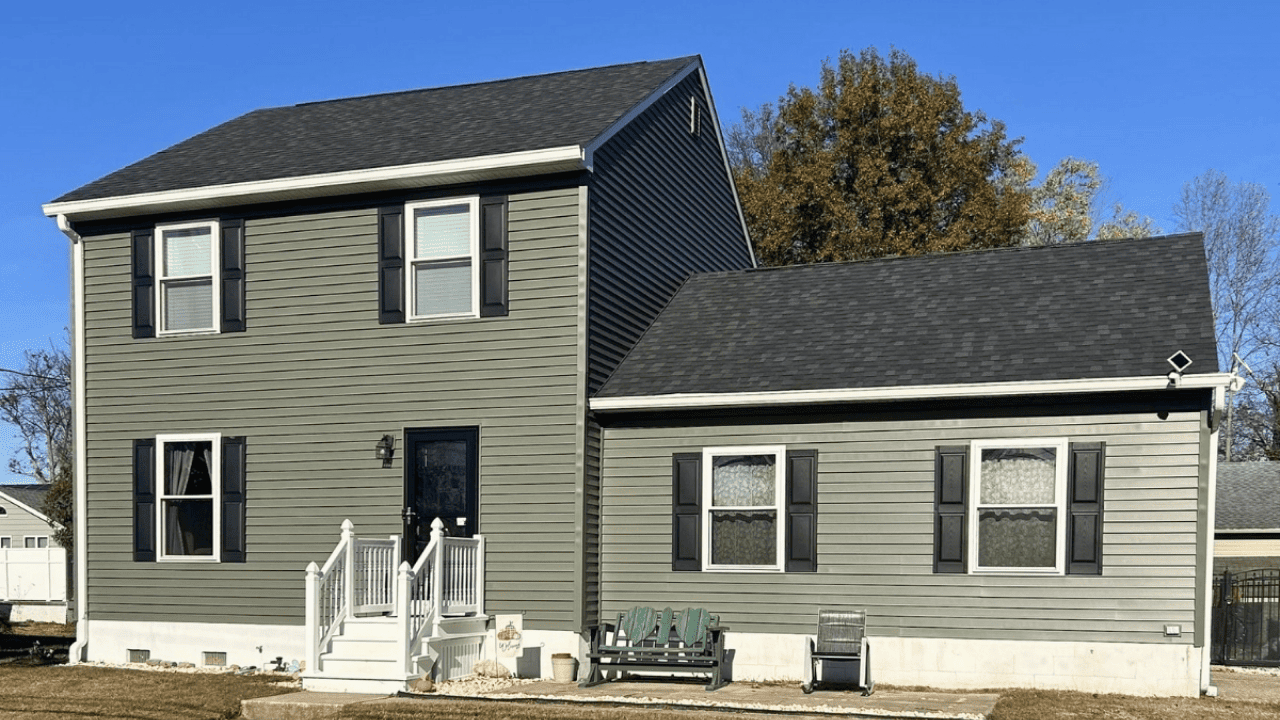
East Greenwich takes a beating from the weather every year. With around 50 inches of annual precipitation spread across rain and snow, and temperatures that swing from highs in the 90s during summer down to freezing lows in winter, your siding takes the full brunt of it all. Those varying temperatures wear materials down faster than most homeowners expect. For older homes built in the mid-to-late 20th century, which make up a large portion of the local housing stock, outdated siding often makes the problem worse by lacking the insulation and moisture resistance that modern materials provide. Warped panels, cracked seams, and leaks behind the siding can quietly damage the structure underneath before you ever notice anything from the outside.
That's where professional installation makes a real difference. Grand View Roofing & Exteriors works with East Greenwich homeowners to select and install siding that holds up to local weather conditions while meeting the material and installation standards required by the East Greenwich Construction Department under the New Jersey State Uniform Building Code. Proper flashing, weather barriers, and drainage details are important here; they're what separates a durable installation from one that fails prematurely. Beyond protection, today's siding options can reduce your cooling costs and improve your home's overall energy performance.
How Our Siding Process Works in East Greenwich, NJ
Working with a siding contractor should feel straightforward, not stressful. Here is exactly what you can expect when you work with Grand View Roofing & Exteriors.
- Step 1: Inspection
We start by walking your property and taking a close look at your current siding from top to bottom. We check for warping, cracked seams, moisture damage, and any gaps in flashing or weather barriers that could be letting water in. This gives us a clear picture of what you are actually dealing with before any work is discussed. - Step 2: Recommendation
After the inspection, we give you a straightforward recommendation on what your siding needs. If targeted repairs can solve the problem, we will tell you that and explain why full replacement is not necessary. We only recommend replacement when the condition of your existing siding genuinely calls for it. - Step 3: Options and Quote
If a replacement or new installation is the right choice, we walk you through material options best suited to East Greenwich weather conditions, including moisture-resistant and insulated choices. We cover the specifications, explain what each option does for your home's durability and energy performance, and provide a complete written quote. - Step 4: Professional Installation
Our crew handles every detail of the installation, including proper flashing, weather barrier placement, and drainage. We work cleanly and efficiently, keeping your property tidy throughout the process. - Step 5: Quality Check and Final Walkthrough
Once the work is done, we do a full review of the finished installation with you. We check every seam, edge, and flashing detail before we consider the job complete, and we advise you on how to maintain your new siding going forward.
Siding Material Options in East Greenwich, NJ
Choosing the right siding material for your home is not just about looks. East Greenwich weather puts real stress on exterior surfaces, and the material you select will determine how well your home holds up through years of heavy snow, humidity, and repeated temperature changes. The right choice assures durability, energy performance, and minimal ongoing maintenance.
| Material Type | Key Strength | Best Suited For |
|---|---|---|
| Vinyl Siding | Moisture-resistant, low maintenance, handles temperature changes without warping | Homes with older wood-based siding needing a durable, weather-ready upgrade |
| Engineered Wood Siding | Natural appearance with improved resistance to rot, moisture, and humidity | Properties where curb appeal matters alongside long-term performance |
| Insulated Siding | Reduces heat transfer and can lower summer cooling costs noticeably | Mid-to-late 20th century homes lacking adequate wall insulation |
Each of these options are important to consider depending on your home's construction, its exposure to salt air from nearby coastal areas, and your energy goals. Insulated siding, for example, is worth a close look if your home runs warm in summer or loses heat quickly in winter. A proper inspection of your existing exterior helps narrow down which material makes the most sense before any decisions are made.
Moisture Barrier and Flashing Details
Behind every panel we install, a properly layered weather barrier and correctly placed flashing work together to keep water from reaching your wall structure. This detail is what prevents East Greenwich’s high precipitation levels from leaking and quietly rotting the framing behind your siding.
Salt and UV Resistant Coatings
Properties near the coastal areas of Gloucester County deal with salt air that causes fading and surface breakdown on standard siding finishes. We select and install siding with coatings designed to resist both salt corrosion and prolonged UV exposure, so your exterior holds its appearance and structural integrity longer without requiring frequent refinishing or replacement.
Ice and Drainage Management
When snow sits against your exterior through a New Jersey winter, ice can form behind the siding and trap moisture against the wall, leading to rot over time. We prevent this by including proper ventilation gaps and drainage details in every installation, giving water a clear path out rather than letting it pool and cause damage.
Insulated Backing Installation
Many older construction East Greenwich homes have little to no insulation in the wall cavity behind the siding, which shows up as higher cooling costs in summer and heat loss in winter. When your home fits that profile, we can install rigid foam backing as part of the siding project, adding a layer of thermal performance that saves you money and provides you with comfort as the seasons change.
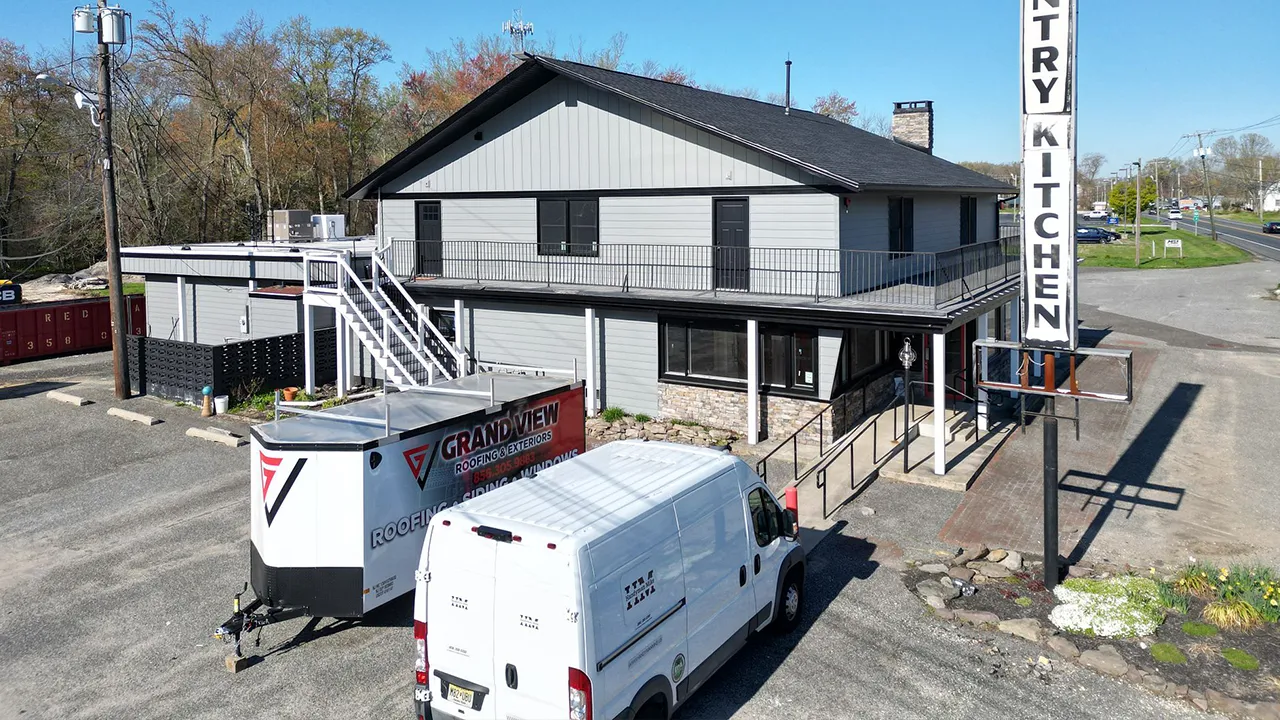
Choose New Siding for Your Home in East Greenwich, NJ
New Jersey's seasonal weather is hard on exterior surfaces, and homes in East Greenwich feel that pressure every year. Siding that fits the local conditions, installed with the right flashing, barriers, and drainage details, protects the structure underneath and helps keep your energy bills from creeping up. Spring and fall are the best windows for scheduling siding work here, when moderate temperatures let materials set properly and the job can move forward without weather-related delays.
If your siding is showing wear or you want a straightforward answer on whether it needs attention, Grand View Roofing & Exteriors is the place to start. We work with East Greenwich homeowners to figure out what their home actually needs and give them a clear path forward. Reach out about your concerns and we will take it from there.
Frequently Asked Questions
Does the proximity to coastal areas in Gloucester County actually affect which siding materials hold up best?
Yes, and it is something many homeowners do not think about until they start noticing fading or surface breakdown. Salt air carried inland from nearby coastal areas accelerates corrosion and dulls standard finishes faster than typical weather alone would. For homes in East Greenwich, that means material selection and coating quality matter more than they would in a purely inland location, and not every siding option marketed as durable is built to handle that combination of humidity and salt exposure.
Do I need a permit for siding replacement in East Greenwich, and does that affect the project?
Most siding replacement projects in East Greenwich do require a permit through the East Greenwich Construction Department, since the work must comply with New Jersey State Uniform Building Code requirements covering flashing details, weather barriers, and material specifications. Skipping that step can create problems if you sell your home or need to file a claim, since unpermitted exterior work often surfaces during a title search or property inspection. A contractor who handles the permitting process for you keeps everything above board without adding complexity to your end of the project.
What happens to siding that was installed before modern moisture barriers were standard practice?
Older homes in East Greenwich are frequently found to have little or no weather barrier behind the existing siding, which means moisture has been working against the wall structure for years without much resistance. When we remove original siding on mid-to-late 20th century homes, we often find soft framing or early rot that was not visible from the outside. Addressing that before new siding goes up is the only way to make sure the new installation actually lasts, rather than covering over a problem that continues to grow behind finished panels.