





 24/7 emergency services


 Call Us Today - (856) 305-9883



Roof Restoration in Gloucester Township, NJ
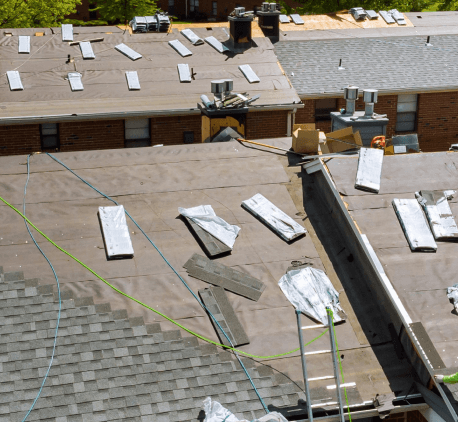
A large share of homes in Gloucester Township were built during the development boom of the 1970s and 1980s, which means a lot of roofs in this area are now well past their prime years. Add in the weather patterns this part of South Jersey deals with year after year- around 46 inches of rain annually, roughly 13 inches of snow, and precipitation on about 115 days per year, and it becomes clear why so many roofs here show signs of real wear. Shingles get brittle, flashing pulls away, and sealants crack under the pressure of repeated temperature changes that swing from the upper 80s in summer to the low 20s in winter. Left alone, those small problems tend to grow into leaks that reach the roof deck, the insulation, or the interior of your home.
Roof restoration gives homeowners a way to address that wear before a repair turns into something far more expensive. Rather than jumping straight to a full replacement when the structure underneath is still sound, restoration work targets the specific areas that have broken down, worn out, or started letting water through. Grand View Roofing & Exteriors works with homeowners across Gloucester Township who are dealing with exactly this kind of situation: roofs that have years of useful life remaining but need real attention to get there safely and in line with New Jersey’s construction code requirements.
How Roof Restoration Works in Gloucester Township, NJ
Roof restoration starts with identifying the areas that can be repaired or renewed and ends with a review of the completed work. Grand View Roofing & Exteriors evaluates the roof’s condition, explains the recommended work, and verifies the results before the project is closed out.
- Step 1: Inspect the Existing Roof
A roofing professional examines the areas most susceptible to wear, including shingles, flashing, valleys, edges, and roof openings. We look for deterioration, moisture-related damage, and conditions that require repair while distinguishing normal aging from active problems. This provides a clear basis for determining whether restoration is appropriate. - Step 2: Diagnose the Conditions and Review Options
We explain the inspection findings in straightforward terms and discuss the available options. If restoration is appropriate, we explain why it makes sense for the roof’s condition. When an isolated issue can be addressed with a smaller repair, we identify that option instead of recommending unnecessary work. - Step 3: Detail the Restoration Work and Quote
Before work begins, we provide a written breakdown of the planned repairs, materials, and other project details. Any applicable permit requirements under New Jersey construction regulations are addressed as part of the planning process. You know what the restoration includes before approving the work. - Step 4: Complete the Roof Restoration
Our crew addresses the conditions identified during the inspection, which may include replacing worn shingles, repairing valleys, restoring flashing, or correcting areas affected by moisture. Each repair is completed with attention to how the surrounding roofing components connect and shed water. - Step 5: Verify the Completed Restoration
After the restoration work is finished, we inspect the repaired areas to confirm that the work was completed properly. We then review the results with you, explain what was addressed, and identify any conditions that should be monitored as the roof continues to age.
Common Roof Problems & Restoration in Gloucester Township, NJ
Most roofs in Gloucester Township don’t fail all at once. They break down gradually, and the problems that show up first are usually the same ones across homes of similar age and exposure. Understanding what typically goes wrong, and why, helps you recognize when restoration is the right move before a small issue becomes a large repair.
| Common Issue | Likely Cause | Why Restoration Addresses It |
|---|---|---|
| Brittle or curling shingles | Years of temperature changes breaking down asphalt over time | Targeted shingle replacement restores surface protection without full tear-off |
| Deteriorated flashing | Repeated wet seasons pulling sealants loose around vents, chimneys, and valleys | Resealing and replacing flashing cuts off the most common entry points for leaks |
| Cracked caulking around penetrations | Seasonal temperature swings shrink and expand roof materials year after year | Fresh sealing stops moisture from getting under the surface at vulnerable spots |
| Valley wear and granule loss | Heavy rain volume concentrated in drainage channels over many years | Restoration addresses worn valleys before water starts reaching the roof deck |
These issues are especially common on roofs built during the 1970s and 1980s, when many Gloucester Township homes were constructed. Restoration targets the specific areas that have broken down rather than treating the entire roof as a loss, which makes it a practical option when the underlying structure is still in reasonable shape.
Shingle Replacement Without Full Tear-Off
Restoration allows worn, brittle, or damaged shingles to be replaced in targeted sections rather than stripping the entire roof down to the roof deck. This approach protects your home from further exposure while preserving the parts of the roof that are still performing well.
Flashing Reseal & Replacement
Flashing around chimneys, vents, skylights, and valleys takes a serious beating from years of rain and temperature changes, and it’s one of the most common sources of leaks on older Gloucester Township homes. Restoration includes resealing or fully replacing failed flashing so those vulnerable connection points stop letting water through.
Valley Liner Repair
Roof valleys channel a high volume of water with every rainstorm, and on homes built in the 1970s and 1980s, that repeated drainage flow often wears through the liner long before the rest of the roof gives out. Addressing the valley liner during restoration keeps water moving off the roof and away from the roof deck where it can do real damage.
Gap Sealing at Vents & Pipe Boots
Every pipe, exhaust vent, and boot fitting that passes through your roof is a potential entry point for water if the surrounding seal has cracked or dried out. Restoration includes inspecting and resealing these spots so the surface is tight and weather-resistant heading into the next stretch of wet South Jersey weather.
Plan Your Roof Restoration in Gloucester Township, NJ
Homes in this part of South Jersey face a real mix of weather year after year: wet springs, humid summers, and winters cold enough to work on already-worn sealants and shingles. For a housing where many roofs are already carrying decades of that exposure, restoration is often what keeps a manageable situation from turning into an expensive one. Addressing wear now, before the next round of rain and cold sets in, gives your roof a better chance of holding up and protecting everything underneath it for years to come.
If your roof has been showing signs of age and you are not sure whether restoration or replacement makes more sense, Grand View Roofing & Exteriors can help you work through that question with a clear, honest inspection. Reach out when you are ready, and we will take it from there.
Frequently Asked Questions
Does roof restoration in Gloucester Township require a permit, and is that my responsibility to handle?
In New Jersey, permit requirements depend on the scale of the work. Targeted repairs to flashing, shingles, or gaps often fall below the threshold that triggers a permit, but restoration work that crosses into reroofing territory typically does require one under the state construction code. Grand View Roofing & Exteriors identifies what your specific job requires before work begins and handles the permit process so you are not left figuring that out on your own.
My roof is not leaking yet, but I can see shingles curling and some granule buildup in my gutters. Is that enough reason to move forward with restoration?
Yes, and catching it at that stage is actually the better position to be in. Granule loss and curling shingles are signs that the surface protection on your roof is wearing down, which means water is getting closer to bare asphalt with every rainstorm. On a home that has been through 40 or more South Jersey winters and wet seasons, waiting for an active leak often means the damage underneath is already further along than it looks from the outside.
How do temperature changes in this area specifically affect how long a roof restoration holds up?
Gloucester Township’s temperature range, from humid summers in the upper 80s down to winter lows in the low 20s, puts repeated stress on the materials that keep a roof sealed. Caulking around gaps and flashing sealants expand and contract with those swings over time, which is why properly restored roofs need materials suited to that kind of 4-season exposure rather than a quick patch that will fail again in a season or 2. Using the right sealants and replacing materials that have already fatigued through too many temperature cycles is what makes a restoration last rather than just delaying the same problem.