





 24/7 emergency services

 Call Us Today - (856) 305-9883
Siding Contractor in Gloucester Township, NJ
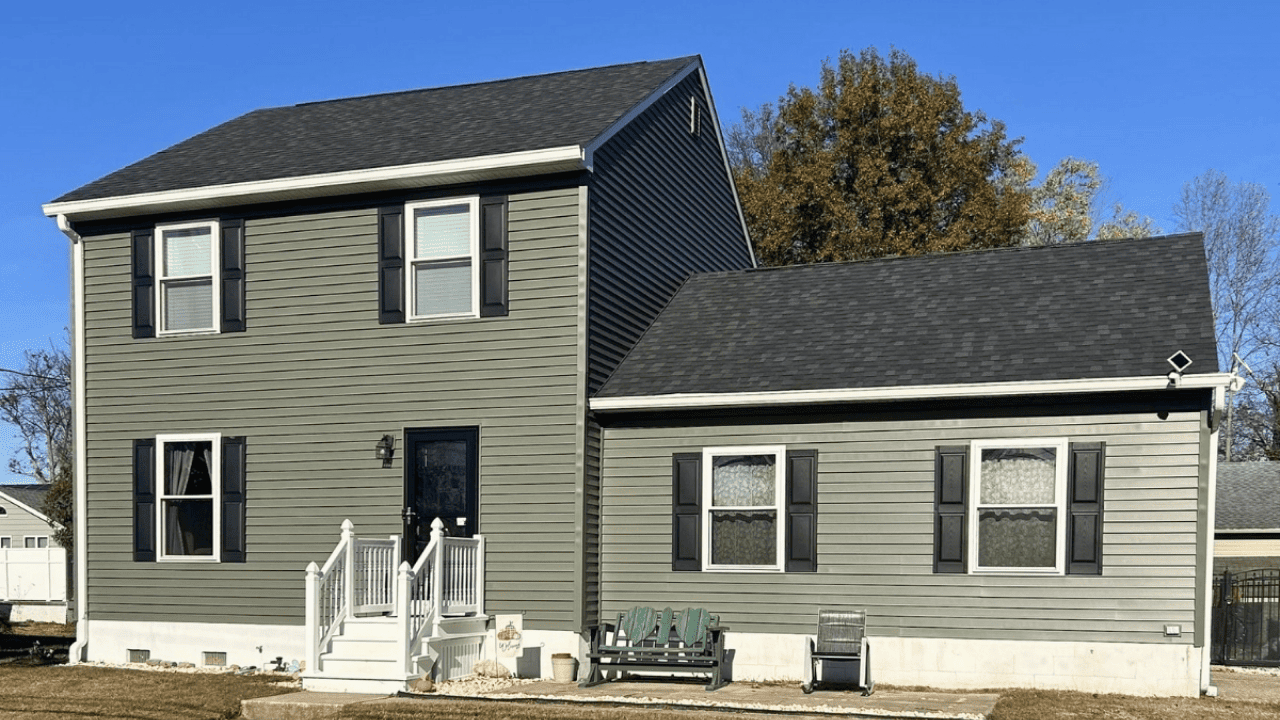
Gloucester Township, NJ receives over 40 inches of rain a year, and the coastal humidity from nearby waterways creates a high-moisture environment that constantly tests your home’s exterior. This moisture settles on siding surfaces, working its way behind panels and seams where it fuels mold growth and causes seam separation. North-facing walls on Colonial-style homes are especially vulnerable, as fog and dew linger longer without direct sunlight to dry them out. At the same time, the intense UV exposure on south-facing walls fades and weakens vinyl and fiber cement on the town’s many mid-century ranch homes. Summer storms bring heavy winds and occasional hail that crack panels and loosen fasteners, while overhanging branches scrape and dent siding during gusty fall weather common throughout Gloucester County.
Ignoring these warning signs leads to leaks that spread into wall cavities, causing expensive interior water damage and structural decay that could have been prevented. Gaps around windows, loose panels after windstorms, and visible mold are not just cosmetic issues, they’re entry points for moisture that threatens your family’s comfort and your investment. Wind-resistant installation standards exist for good reason in this region, and proper fastening techniques make the difference between siding that holds up and siding that fails during the next severe storm.
Grand View Roofing & Exteriors understands the specific challenges faced by homeowners here, from historic 18th-century brickwork that requires careful matching to modern residential layouts that need updated materials. We inspect every home with local weather patterns and building style in mind, providing solutions that meet township permit requirements and protect your property for years to come.
How Siding Installation Works in Gloucester Township, NJ
We remove the guesswork by walking you through each stage of your siding installation project, from the first inspection to the final quality check. You’ll know exactly what to expect and why each step matters for your home’s protection.
- Step 1: Siding and Wall Condition Review
We begin by evaluating the existing siding system along with the wall components behind it. This review looks for signs of moisture exposure, material deterioration, or structural concerns that could interfere with a new installation. Identifying these issues early allows them to be addressed properly instead of being concealed by new materials. - Step 2: Practical Repair Guidance
After completing the review, we explain what the findings mean for your home. When limited repairs can restore strength and weather resistance, those solutions are discussed first. Full replacement is only recommended when repairs would not provide dependable long-term performance. - Step 3: Material Selection and Project Pricing
We outline siding options that perform well in local climate conditions, including resistance to humidity and temperature changes. You receive a clear project estimate that details materials, labor, and any permitting considerations, so you understand the full scope before work begins. - Step 4: Installation and Moisture Management
Installation is completed with a focus on correct fastening, barrier placement, and clean integration with the existing structure. Scheduling is planned carefully to avoid trapping moisture or debris behind the siding, helping ensure the system performs as intended. - Step 5: Final Review and Approval
Once installation is complete, all seams, transitions, and attachment points are reviewed for consistency and security. We walk the exterior with you to confirm the results meet expectations and that the work is ready to handle future weather conditions.
Siding Material Options in Gloucester Township, NJ
Choosing the right siding material depends on how it will perform against the specific conditions your home faces. Coastal humidity, intense summer sun, and wind-driven rain affect different materials in different ways. A shaded north wall experiences prolonged dampness that encourages mold, while a south-facing exposure endures UV rays that fade and weaken certain products. Understanding these differences helps you select siding that protects your investment and reduces future maintenance.
| Material Type | Humidity & Mold Resistance | UV Fade Resistance | Wind Resistance | Maintenance Level |
| Vinyl | Good when properly ventilated; seams must be sealed to prevent moisture entry | Moderate; darker colors fade faster on sun-exposed walls | Meets county standards with correct fastening; susceptible to loosening in high winds if installed poorly | Low; periodic washing to remove pollen and debris |
| Fiber Cement | Excellent; resists mold growth even in shaded, damp areas | Excellent; factory finishes hold color through prolonged sun exposure | High; rigid panels withstand impacts and gusts better than flexible materials | Moderate; requires repainting every 10 to 15 years |
| Wood | Poor; requires regular sealing and treatment to prevent rot in humid conditions | Poor without ongoing finish maintenance; bare wood weathers quickly | Good when properly installed; individual boards can be replaced after storm damage | High; annual inspection and refinishing every few years |
All installations are planned around permit requirements to ensure your home remains compliant and protected.
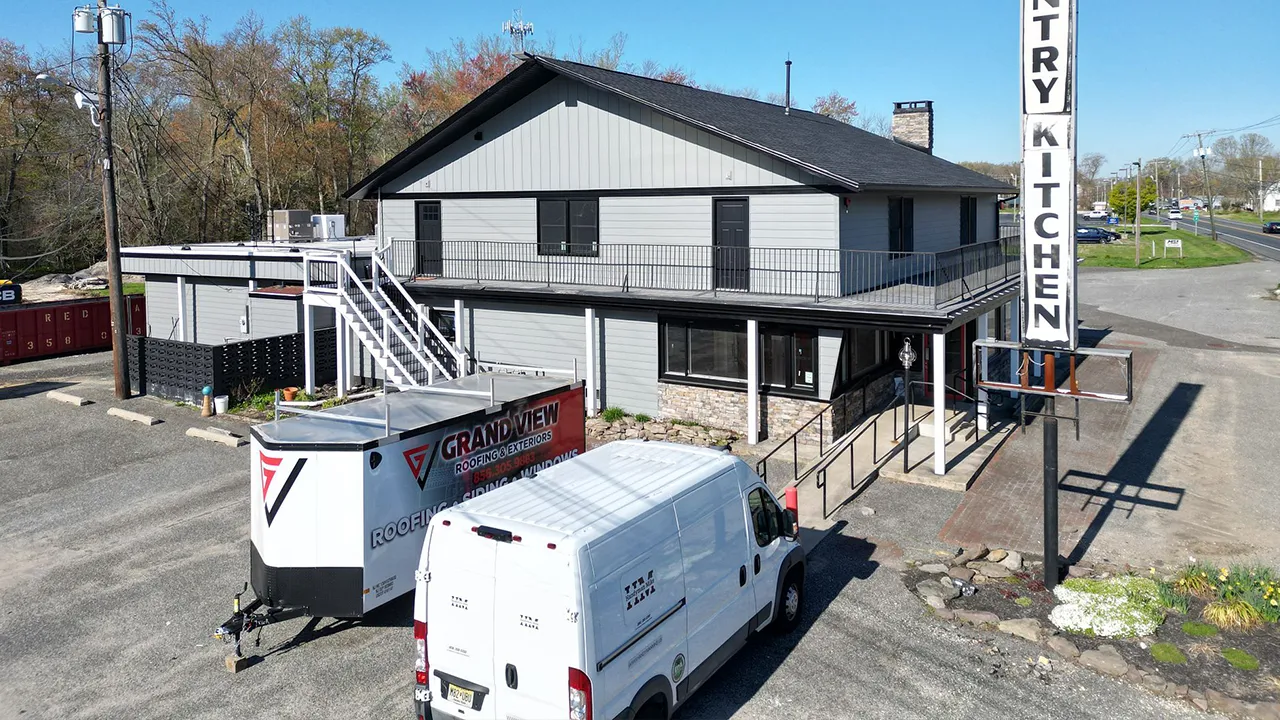
Siding That Protects Your Investment in Gloucester Township, NJ
Your home faces constant exposure to humidity, rain, and temperature changes that work their way behind panels and into wall cavities if the installation isn’t done right. Quality siding with proper moisture barriers and wind-resistant fastening prevents expensive surprises like structural rot, interior leaks, and mold growth that compromise your family’s comfort. Scheduling installation during moderate weather ensures clean seals and lasting performance, giving you peace of mind that your exterior will hold up through every season ahead.
Grand View Roofing & Exteriors helps homeowners here protect their property with installations that meet local building standards and account for the weather patterns your home faces year-round. When you’re ready to inspect your exterior and discuss options that make sense for your situation, we’re ready to provide an honest evaluation and detailed answers to your questions. Reach out to schedule your inspection and take the first step toward a better-protected home.
Frequently Asked Questions About Siding Services in Gloucester Township, NJ
Grand View Roofing & Exteriors is here to answer the most common questions homeowners ask about siding projects in Gloucester Township. We want you to feel confident and informed before making any decisions about your home’s exterior.
How long does a typical siding installation take in Gloucester Township?
Most residential siding installations take between 5 and 10 days, depending on your home’s size and the extent of repairs needed underneath. Weather plays a role in scheduling since we avoid installation during rainy periods to prevent moisture from getting trapped behind new panels. We inspect forecasts carefully and adjust timelines to ensure your project gets completed under the right conditions, protecting your investment from day one.
What factors influence the cost of a siding project in this area?
The size of your home and the material you select are the two biggest cost factors. Additional work like repairing rotted sheathing, replacing trim around windows, or addressing water damage discovered during inspection will affect your total investment. Homes with complex architectural details or multiple stories require more time and equipment, which increases labor expenses compared to simpler ranch layouts.
How do I know if my siding needs replacement or just repairs?
If you see widespread cracking, multiple loose panels, or water stains appearing inside your home near exterior walls, replacement is usually the right choice. Localized damage from a single storm event or a few warped panels on one side can often be repaired without redoing the entire house. We inspect the underlying structure to check for hidden moisture damage that would make partial repairs a temporary fix rather than a lasting solution.