





 24/7 emergency services


 Call Us Today - (856) 305-9883


Emergency Roof Repair in Haddon Township, NJ
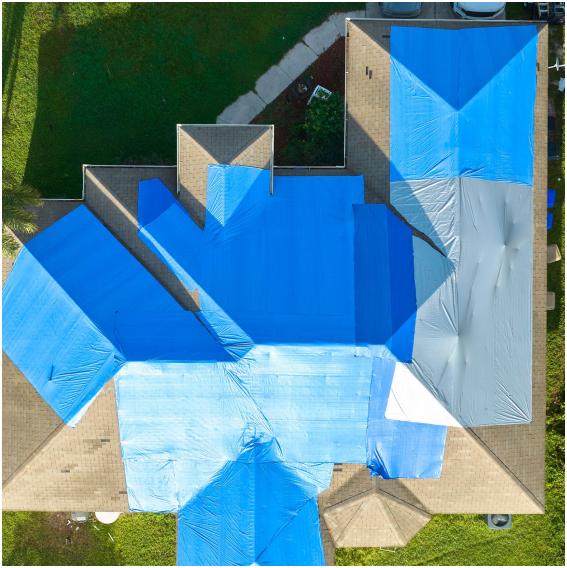
Haddon Township sits squarely in the path of some of South Jersey's most punishing weather. Nor'easters roll through with winds exceeding 50 mph, summer thunderstorms drop heavy rain in a matter of minutes, and hail can shred aging shingles before you even realize a storm has hit. Many homes in this area were built 30 to 50 years ago, and the roofs original to those homes are far more vulnerable to sudden failure under that kind of stress. When damage happens, the window to act is short. Moisture can begin driving mold growth within 24 to 48 hours, and what starts as a small leak can quickly work its way into your walls, ceilings, and framing.
That urgency is exactly why having a local team you can call without hesitation matters so much. Grand View Roofing & Exteriors understands the specific demands that Haddon Township's weather puts on residential roofs. From same-day tarping to stabilizing compromised areas before conditions get worse, the goal is to stop damage from spreading and protect your home until a full repair can be completed. Older housing in this market means emergencies happen more often than homeowners expect, and a fast, knowledgeable response makes a real difference in how much secondary damage your home sustains.
How Emergency Roof Repair Works in Haddon Township, NJ
A roofing emergency can unfold quickly, but the repair process should never leave you wondering what comes next. From the initial call through the completed repair, every step is focused on protecting your home, identifying the full extent of the damage, and restoring your roof with a clear plan.
- Step 1: Emergency Call and On-Site Assessment
As soon as you contact us, we begin coordinating a quick response to your property. Once on-site, we evaluate visible damage from a safe vantage point, determine whether water is actively entering the home, and identify any immediate hazards that could affect the inspection or repair. Addressing safety first allows the rest of the process to move forward efficiently. - Step 2: Immediate Weather Protection
Before permanent repairs are considered, we work to prevent additional water from entering your home. Depending on the situation, this may include installing emergency tarps, securing exposed sections of the roof, or covering damaged openings such as skylights or roof gaps. These temporary measures help stabilize the situation until permanent repairs can be completed. - Step 3: Full Damage Inspection
After the roof has been secured, we perform a detailed inspection to determine the full extent of the damage. We examine shingles, flashing, roof decking, valleys, and other vulnerable areas while documenting everything with photos and notes. This thorough evaluation helps ensure the repair addresses every affected area instead of only the most obvious damage. - Step 4: Targeted Repair and Restoration
Once we've reviewed the inspection findings with you, we explain the recommended repairs in straightforward terms. If the damage is confined to a specific section of the roof, we'll recommend a focused repair rather than more extensive work. Using materials compatible with your existing roof, we complete the necessary repairs as efficiently as conditions and material availability allow. - Step 5: Final Review and Future Preparedness
After the work is complete, we inspect the repaired areas and walk you through everything that was done. We answer your questions, explain any conditions worth monitoring, and provide practical guidance on protecting your roof if another storm arrives before your next inspection. You leave with a clear understanding of your roof's current condition and the steps, if any, to take going forward.
What Qualifies as a Roof Emergency in Haddon Township, NJ
Not every roof issue demands an immediate call, but some situations genuinely cannot wait. In Haddon Township, where older homes are common and storms can intensify quickly, knowing the difference helps you act with the right level of urgency and protect your home before damage spreads.
- Active leaks during or after a storm: Water getting into your living space through ceilings, walls, or light fixtures needs same-day attention. In New Jersey's humid conditions, mold can take hold within 24 to 48 hours of water contact with organic materials.
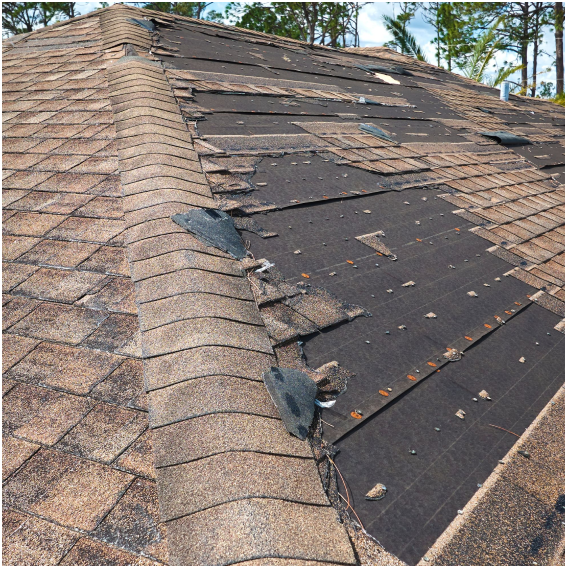
- Missing or displaced shingles after high winds: Exposed roof decking is vulnerable to any additional rainfall. Even a short coverage gap can allow water to saturate underlayment and reach your interior framing.
- Visible sagging or structural deformation: A section of roof that appears to be bowing or sinking suggests the roof decking beneath may already be compromised and warrants urgent inspection.
- Tree or debris impact: A fallen limb or heavy debris strike can crack roof decks, displace flashing, and create openings that are not always visible from the ground. Any impact of this kind deserves a professional look as soon as the weather allows.
- Detached or damaged flashing: Flashing around chimneys, vents, and valleys fails more often on older roofs. When it separates, water channels directly into seams that are difficult to protect without professional repair.
If you are uncertain whether your situation qualifies, err on the side of calling. A quick ground-level inspection by a professional can confirm the severity and keep a manageable problem from becoming a much larger one.
Moisture Barrier and Interior Protection Measures
Beyond tarping the exterior, emergency repairs include addressing the moisture that may have already reached your interior, such as directing ventilation, identifying where water has traveled along framing, and flagging areas where humidity is building up. In New Jersey's naturally humid conditions, this step is what separates a contained repair from a mold problem that shows up weeks later.
Flashing Repair and Resealing at Vulnerable Joints
On homes built 30 to 50 years ago, the flashing around chimneys, pipe boots, skylights, and roof valleys is often the first thing to fail under wind or impact stress. Emergency repairs include resealing or replacing compromised flashing at these joints so water no longer has an open path into your home once the temporary protection comes down.
Roof Decking Stability Check and Spot Repair
When shingles are missing or debris has struck the roof, the roof decking underneath takes the next hit. Emergency service includes checking the structural condition of exposed or suspect roof decking and making spot repairs where boards have cracked, softened, or separated, so the surface is sound before any permanent roofing material goes back down.
High-Wind Tarp Securing for Active Storm Conditions
Standard tarping is not enough when nor'easter winds are still moving through the area. Emergency tarping here is installed with material extending well past the ridge and secured in a way that accounts for the gusts South Jersey storms regularly produce. This keeps your temporary protection in place until a full repair can be completed, even if weather conditions have not fully settled.
Reach Out for Emergency Roof Repair in Haddon Township, NJ
Living in South Jersey means your roof faces real pressure year-round. The combination of aging houses and unpredictable weather in this area means that when something goes wrong, the situation can escalate faster than most homeowners expect. Getting a professional on-site quickly is the single most effective way to protect your home, limit the spread of damage, and avoid the kind of expensive repairs that follow when water has time to move through your structure unchecked.
Grand View Roofing & Exteriors serves homeowners throughout Haddon Township and is ready to help when you need it most. Whether you are dealing with an active leak, storm damage, or something that simply does not look right, reaching out sooner rather than later is always the right call. Contact us to get a crew to your home and start protecting what matters.
Frequently Asked Questions
Can I put a tarp on my roof myself while waiting for a repair crew to arrive?
It is understandable to want to act fast, but getting on a wet or storm-damaged roof is genuinely dangerous, especially with South Jersey winds still gusting. The better move is to protect the interior by placing buckets under drips, moving valuables away from affected areas, and letting the crew handle the exterior when they arrive. Professional tarping also requires extending material well past the ridge and securing it in a way that holds against the kind of winds that nor'easters push through this area, which is harder to do correctly without the right equipment and experience.
How do I know if an emergency roofing company is legitimate before letting them work on my home?
After a bad storm, contractors who are not properly licensed or insured sometimes move through affected neighborhoods looking for quick work. Before anyone gets on your roof, verify their credentials through the New Jersey Division of Consumer Affairs and confirm they carry liability insurance. A reputable local company will not hesitate to provide that information upfront, even in an urgent situation. Taking 5 minutes to confirm credentials protects you from poor workmanship and potential liability if someone is injured on your property.
Why does my roof seem fine right after a storm but start leaking days later?
This is more common than most homeowners realize, particularly on older roofs. Storm damage does not always create an immediate, obvious opening. High winds can lift shingles just enough to break the seal underneath without displacing them visibly, and that gap only reveals itself during the next rain. Flashing around chimneys and pipe boots on homes of the age common in Haddon Township can also shift slightly under impact stress, creating a slow path for water that takes time to show up inside. If your home took any wind or debris impact, a ground-level inspection after the storm clears is worth scheduling even if nothing seems wrong yet.