





 24/7 emergency services


 Call Us Today - (856) 305-9883


Emergency Roof Repair in Oaklyn, NJ
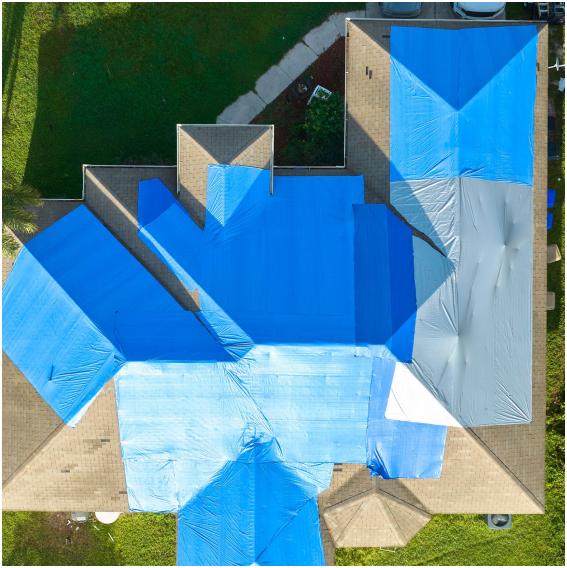
Oaklyn sits in a region that sees close to 50 inches of rainfall annually, with the heaviest stretches concentrated in spring and summer. That kind of sustained moisture puts serious pressure on older roofs, and many homes here were built in the early to mid-20th century. Colonial and bungalow styles that defined this neighborhood for generations often carry roofing materials that have simply run their course. When a storm rolls through and shingles are already cracked, lifted, or missing, water finds its way in fast. What starts as a small leak around a chimney or valley flashing can spread across a ceiling in a matter of hours, turning a minor repair into a much larger problem.
Temperature swings through the year add another layer of stress. Winter cold followed by summer highs in the 90s causes roofing materials to expand and contract over time, weakening seams and flashing connections that hold everything together. After years of that cycle, even a moderate windstorm can open up a section of roof that looked fine just a season before.
Grand View Roofing and Exteriors works with Oaklyn homeowners who need a fast, reliable response when that happens. Whether the job calls for emergency tarping to protect your interior while a plan is made, or same-day patching to stop an active leak, the goal is to protect your home before more damage sets in.
How Emergency Roof Repair Works in Oaklyn, NJ
A roof leak demands immediate attention, but the repair process should never leave you wondering what comes next. From your first phone call through the completed repair, every step is focused on protecting your home, identifying the full extent of the damage, and restoring your roof with a practical plan.
- Step 1: Emergency Contact and Priority Assessment
Your first call gives us the information we need to respond efficiently. We ask a few questions about the leak or visible damage so our crew arrives prepared with the right equipment and materials. From there, we prioritize getting to your property as quickly as possible and begin assessing the situation as soon as we arrive. - Step 2: Damage Containment
Our immediate objective is to prevent additional water from entering your home. Depending on the conditions, we install emergency tarps, apply temporary sealing where appropriate, or secure roofing materials that have been displaced. Stabilizing the roof first helps reduce additional damage while permanent repairs are planned. - Step 3: Full Roof Evaluation
After the immediate leak has been controlled, we inspect the affected section and the surrounding roof to determine the complete extent of the damage. Flashing, valleys, shingles, roof gaps, and the roof deck are all examined to identify both visible and hidden issues. We document our findings with photos and explain exactly what we found so you have a clear understanding of your roof's condition. - Step 4: Permanent Repair and Restoration
Once we've reviewed the inspection results with you, we explain the recommended repairs and answer any questions before work begins. If the damage is limited to a specific area, we'll recommend a focused repair rather than unnecessary work. Using materials that are compatible with your existing roof, we restore the damaged sections with long-term performance in mind. - Step 5: Final Review and Ongoing Protection
Before we consider the job complete, we inspect the finished repairs and walk through the completed work with you. We'll point out any maintenance items that can help reduce the risk of future leaks, discuss conditions worth monitoring after severe weather, and schedule any follow-up visit that may be appropriate. You leave knowing exactly what was repaired and where your roof stands moving forward.
What Triggers Emergency Roof Repairs in Oaklyn, NJ
Not every roof problem is a true emergency, but in Oaklyn, the line between a minor issue and a serious one can shift quickly. Older homes with weathered flashing and aging shingles are especially vulnerable after storms, and knowing what commonly causes sudden failures helps you respond before the damage adds up.
| Common Emergency Trigger | Why It Happens in Oaklyn | Typical First Response |
|---|---|---|
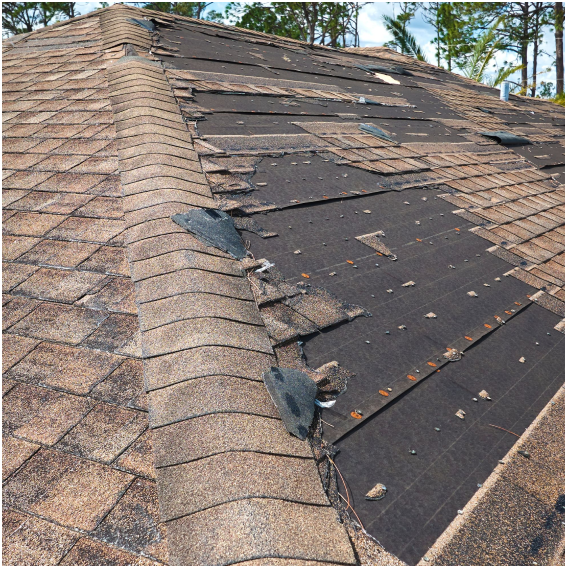
| Wind-damaged or missing shingles | Older shingles lose flexibility over time and separate during high-winds, leaving the roof deck exposed | Emergency tarping or temporary patching to seal the opening |
| Flashing failures at chimneys and valleys | Years of temperature changes cause metal flashing to separate, creating gaps that channel water directly into the home | Temporary sealant application followed by a complete inspection |
| Fallen tree limbs or debris impact | Mature trees in Oaklyn's suburban neighborhoods increase the risk during storms | Debris removal, damage inspection, and immediate dry-in protection |
| Active leaks during heavy rain | High annual precipitation overwhelms damaged or worn roof sections faster than many homeowners expect | Interior protection measures and roof-level temporary patching |
One thing worth knowing is that emergency repairs in Camden County may not require permits when the work addresses an immediate safety hazard, which can allow crews to respond and begin work faster than a standard replacement project. That is a general local practice rather than a guarantee, so confirming current requirements with your contractor is always a good step before work begins. Homeowners in this part of New Jersey can reach out to Grand View Roofing and Exteriors directly for guidance on what to expect in the local permitting process.
Temporary Dry-In Protection for Open Roof Sections
When a storm tears away shingles or a fallen limb punches through the roof deck, heavy-duty tarping and temporary dry-in materials seal the exposed area until permanent repairs are made. This stops water from reaching your ceilings, walls, and belongings while the repair scale is being finalized.
Flashing Repair and Resealing at Vulnerable Transition Points
Chimneys, valleys, and roof-to-wall transitions are the most common places where Oaklyn homes develop sudden leaks, especially in older colonials and bungalows where metal flashing has been expanding and contracting for decades. Emergency flashing repair targets these specific failure points with materials and sealing methods suited to the existing roofing system.
Roof Deck Damage Repair Beneath the Surface Layer
Water that has been sitting under lifted or missing shingles can saturate and soften the roof deck before you ever notice a drip inside. Emergency repairs include addressing any compromised roof decking so the new surface material has a solid foundation and the damage does not continue spreading out of sight.
Debris Clearing as Part of the Emergency Response
Branches, leaf buildup, and storm debris left on the roof can trap moisture, clog drainage paths, and make it harder for crews to reach and repair the damaged area safely. Clearing the work zone is part of the emergency service, not an extra step, because a clean roof surface leads to better repairs and helps prevent the next leak from forming in the same spot.
Get Emergency Roof Repairs Done in Oaklyn, NJ
Living with a roof that has already shown signs of wear puts your home in a vulnerable spot every time a storm moves through the region. The good news is that acting quickly after damage appears keeps the situation manageable. A repair handled quickly is almost always simpler and less expensive than one that has been left to get worse through another season of heavy rain and temperature swings. Protecting your home now means fewer surprises down the road and more confidence that your roof can hold up through whatever the next stretch of weather brings.
Grand View Roofing and Exteriors is familiar with the challenges that Oaklyn homes face, and the team is ready to respond when you need help fast. If you have noticed a leak, visible shingle damage, or anything that concerns you about your roof's condition, reaching out is a straightforward next step. There is no pressure, just a crew that will show up, take a close look, and give you a clear picture of what needs to happen.
Frequently Asked Questions
If my roof only has a small area of damage, is emergency tarping really necessary, or can I just wait for a repair appointment?
Even a small opening in your roof can allow a surprising amount of water into your home during one of Oaklyn's heavy spring or summer downpours, and the damage spreads faster than most people expect once water reaches the roof deck or insulation layer. Tarping that exposed area right away is one of the most effective ways to keep a limited problem from expanding before a permanent fix is scheduled. It is a low-cost step that protects far more than just the spot where the damage started.
My home was built in the 1940s and still has the original chimney. How does that affect emergency flashing repairs?
Older masonry chimneys in Oaklyn's bungalows and colonials often have flashing that was installed with methods and materials that do not pair well with modern repair products. When flashing around an aged chimney fails suddenly, the repair requires matching the new materials to what is already there rather than applying a one-size-fits-all fix. Otherwise, the seal can fail again within a season or two. A crew experienced with older construction will take that compatibility step seriously before any sealant or metal work goes down.
Does a heavy rainstorm always mean the damage is worse than it looks, or can the roof dry out and stabilize on its own?
A roof deck that has absorbed water does not simply dry out and return to its original condition, especially in Oaklyn, where the area gets consistent rainfall through spring and into summer, leaving little time between wet stretches for proper drying. Saturated wooden roof decking softens and loses structural integrity, and that degradation continues even after the surface appears dry. Getting an inspection done shortly after a storm is the only reliable way to know whether the damage is contained or quietly spreading beneath the surface layer.