





 24/7 emergency services


 Call Us Today - (856) 305-9883


Emergency Roof Repair in Runnemede, NJ
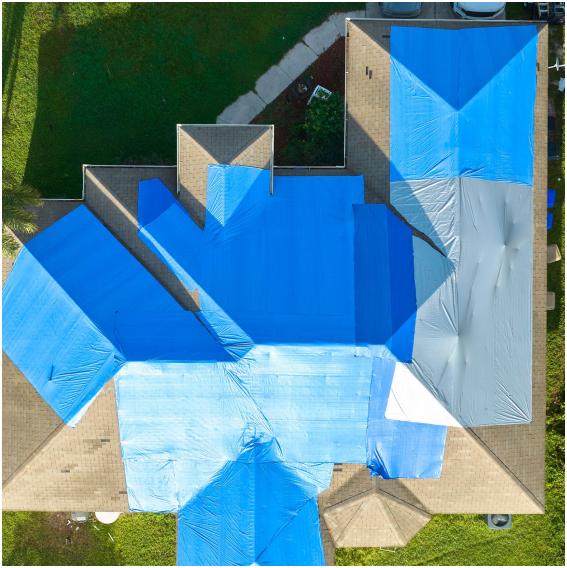
Runnemede’s location in Camden County exposes homes to sudden shifts in weather that can damage roofs without warning. Proximity to Philadelphia brings strong wind gusts that lift shingles and create openings for rain to enter your attic. South Jersey’s heavy rainfall turns small gaps into serious leaks that spread quickly through insulation and ceiling materials. The area’s dense tree cover in many neighborhoods adds another layer of risk, as overhanging branches drop limbs during storms and hide existing damage from view. Local temperature changes cause roofing materials to expand and contract throughout the year, which weakens seals and fasteners over time. When a storm hits or you notice water stains on your ceiling, waiting even a day can allow moisture to reach the roof deck and compromise the structural integrity of your home.
Professional emergency roof repair addresses these specific challenges by stopping leaks before they spread, protecting your family from further damage. Grand View Roofing & Exteriors understands how Runnemede’s weather patterns affect residential roofs and responds quickly when you need help the most. Our team inspects the damage thoroughly to identify both visible problems and hidden weak points that could fail during the next storm. We complete temporary repairs that keep your home dry while planning permanent solutions that restore full protection to your property.
Our Emergency Repair Process in Runnemede, NJ
When your roof is damaged, you need clarity about what happens next and confidence that the problem will be solved correctly. Our structured emergency response removes uncertainty by walking you through each step from the moment you call to the final quality check.
- Step 1: Rapid Response and Initial Inspection
We begin by arriving promptly to assess how water is affecting your home and to determine where the issue may be starting from. This includes reviewing exterior roof conditions from accessible vantage points and discussing any interior signs you’ve observed, such as discoloration or moisture buildup. The goal is to quickly understand severity and decide what needs immediate attention. - Step 2: Immediate Stabilization
To limit additional interior impact, temporary protective measures are put in place over vulnerable sections of the roof. These may include short-term coverings or sealing methods designed to block ongoing exposure during active weather. All temporary solutions are secured to remain effective until permanent repairs can be completed.
Step 3: Complete Damage Inspection
After conditions are stabilized, a detailed roof-level assessment is performed. This inspection focuses on identifying affected materials, weakened connection points, and areas where water may be entering through small openings. Documenting these findings ensures the repair addresses every contributing issue, not just the most visible one. - Step 4: Permanent Repair Plan and Execution
Based on the inspection results, we outline the most practical repair approach and explain why it’s appropriate for your roof. Materials are selected to integrate with the existing system, maintaining both appearance and performance. When limited corrective work is sufficient, that option is presented clearly instead of recommending unnecessary upgrades.
Step 5: Quality Verification and Prevention Guidance
Once repairs are complete, the work is reviewed to confirm stability and weather resistance. We walk through the repaired areas with you and share simple maintenance insights to help you monitor vulnerable spots and reduce the likelihood of future emergency issues.
Identifying Roofing Emergencies in Runnemede, NJ
Not every roofing problem requires immediate attention, but knowing when to act fast can prevent expensive damage to your home’s interior. Understanding the difference between urgent situations and issues that can wait helps you make informed decisions when you discover a problem. Local conditions like wind gusts from Philadelphia and heavy South Jersey rains create specific patterns of damage that homeowners should recognize quickly.
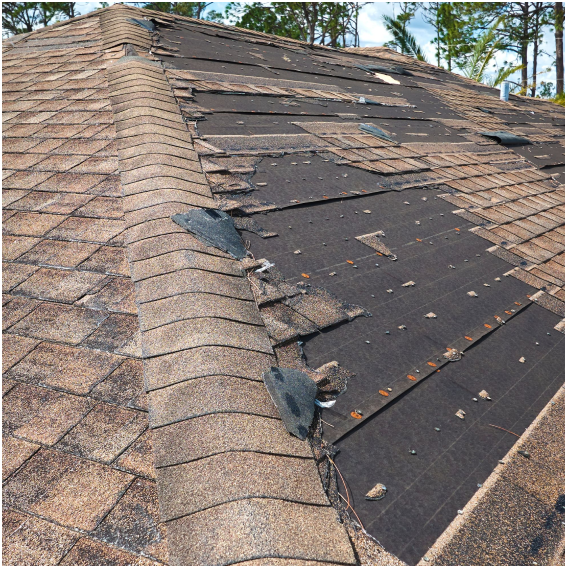
After storms or during heavy rain, look for visible signs that water is entering your home. Ceiling stains, dripping water, or damp insulation in your attic indicate active leaks that need immediate response. Outside, missing shingles or torn sections expose the roof deck to moisture and require rapid repair. Check your gutters for excessive granules, which signal shingle deterioration that compromises protection. Gaps around pipe collars or lifted flashing allow water to seep beneath the surface, leading to hidden rot that spreads before you notice interior damage.
| Situation | Urgency Level | Recommended Action |
| Active leaks during rain | High Emergency | Immediate tarping and stabilization |
| Missing or torn shingles | High Emergency | Rapid repair to protect the roof deck |
| Damaged pipe collars | Moderate | Inspect and replace pipe collars to prevent slow leaks |
| Rusted metal accents | Standard | Schedule maintenance before the following season |
| Gaps in flashing | Moderate | Inspect and seal to prevent water entry |
Same-day patching is often possible for standard shingle setups when damage is caught early, preventing minor problems from becoming major repairs.
Protecting Your Investment in Your Runnemede, NJ Home
South Jersey weather patterns demand a roof that performs reliably year-round, and addressing damage quickly prevents small problems from turning into expensive replacements. When you notice signs of trouble after wind or rain, taking action now protects your attic, insulation, and interior finishes from moisture that spreads rapidly through structural materials. Scheduling repairs before winter helps avoid situations where temperature changes worsen existing damage and create additional entry points for water. Your home represents a significant investment, and maintaining its protective envelope gives you peace of mind knowing your family stays dry regardless of what the next storm brings.
Grand View Roofing & Exteriors helps Runnemede, NJ homeowners protect their properties with honest assessments and reliable repair work. When you’re ready to address roof damage or want a professional inspection to ensure everything remains secure, our team is ready to help. Contact Grand View Roofing & Exteriors to get started with an evaluation of your home’s condition and a clear plan for restoring complete protection.
Frequently Asked Questions About Emergency Roof Repair in Runnemede, NJ
Grand View Roofing & Exteriors is here to answer the most common questions Runnemede homeowners have when facing sudden roof damage and needing quick solutions.
How long does an emergency roof repair typically take from start to finish?
Most emergency repairs in Runnemede are completed within 4 to 6 hours once our team arrives, depending on the extent of damage and weather conditions. We install temporary protection within the first hour to stop active leaks, then complete permanent repairs the same day for standard shingle damage. Larger problems involving multiple areas or structural concerns may require a follow-up visit, but your home will be secured and watertight before we leave the initial service call.
What factors influence the cost of emergency roof repair in South Jersey?
The size and location of damaged areas directly affect repair costs, as do the materials needed to match your existing roof. Accessibility plays a role since steep pitches or homes with multiple-stories require additional safety equipment and time. Storm timing can impact pricing when high demand follows severe weather events across the region, though we maintain fair rates regardless of conditions.
Should I attempt to cover my roof with a tarp myself before professionals arrive?
We don’t recommend climbing onto your roof during, or immediately after, storms, as wet surfaces and potential hidden damage create serious safety risks. If you can safely place buckets under interior drips and move valuables away from affected areas, that helps minimize damage while waiting for our team. Our rapid response time means professional tarping and stabilization typically happens within hours of your call, eliminating the need for risky DIY attempts.