





 24/7 emergency services


 Call Us Today - (856) 305-9883



Roof Restoration in Runnemede, NJ
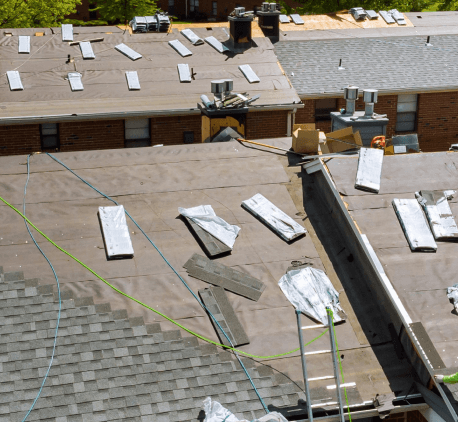
Runnemede sits in the heart of South Jersey’s humid suburban belt, where roofs take a steady beating year-round. Rain falls throughout every season, winter brings snow and cold snaps, and summer arrives with heat and humidity that softens sealants and encourages algae growth on asphalt shingles. Most townhomes were built between the 1940s and 1960s, which means a large share of local roofs are already operating well into their later years. That combination of age and weather puts a lot of roofs in a middle zone where they are not ready to be replaced but are showing real signs of wear, including granule loss, lifted shingle edges, dark staining, and minor leaks that keep coming back.
Roof restoration is built for exactly that situation. Rather than tearing off a roof that still has usable structure underneath, restoration targets the specific problems pulling it toward failure: cracked seals, worn flashing, brittle shingles, and drainage issues that let moisture work its way in.
Grand View Roofing & Exteriors works with Runnemede homeowners to stop that wear before it spreads, extending the life of an existing roof without the cost and disruption of a full replacement. The goal is simple: keep water out, protect what is already there, and give your roof more useful years under South Jersey’s demanding weather conditions.
How Roof Restoration Works in Runnemede, NJ
Roof restoration can address aging and localized damage without immediately moving to full replacement when the existing roof remains suitable for continued service. Grand View Roofing & Exteriors evaluates the roof, explains the appropriate restoration options, and reviews the completed work with you.
- Step 1: Inspect the Existing Roof
We examine the roof’s shingles, flashing, sealants, drainage areas, and locations showing signs of moisture exposure. Older Runnemede homes may have several conditions affecting the roof at once, so we evaluate the overall condition rather than focusing on a single problem area. The findings provide the basis for determining what work is appropriate. - Step 2: Diagnose the Conditions and Review Options
After the inspection, we explain the findings and discuss which issues require attention. If localized repairs can adequately address the problems, we recommend that approach. When restoration is more appropriate than replacement, we explain the conditions supporting that recommendation. - Step 3: Detail the Restoration Work and Quote
We provide a written breakdown of the recommended restoration work, including repairs to lifted edges, flashing, sealants, or other affected areas. Each item is explained before work begins so you understand what will be addressed and why. - Step 4: Complete the Roof Restoration
Our crew performs the repairs identified in the approved work plan, addressing each affected area according to its condition. The duration depends on the amount of work required, with smaller restoration projects potentially completed within a single day. - Step 5: Verify the Completed Restoration
After the repairs are finished, we inspect the completed work to confirm that the addressed areas are properly secured and restored. We then review the results with you and explain what was completed before the project is closed out.
Signs Your Roof Needs Restoration in Runnemede, NJ
Knowing what to look for can help you catch problems before they get expensive. Runnemede’s steady rainfall and humid summers create conditions where roof wear tends to build gradually, and a roof that looks fine from the street can already be losing the battle against moisture and age.
| Warning Sign | What It Means | Why It Matters Here |
|---|---|---|
| Dark staining or streaks | Algae growth feeding on shingle granules | South Jersey’s humidity creates ideal conditions for algae to spread quickly |
| Granule loss in gutters | Shingle surface breaking down with age | Common in older Runnemede homes entering the later stage of roof life |
| Lifted or curling shingle edges | Sealant has weakened and lost grip | Leaves gaps where wind-driven rain can get underneath |
| Recurring minor leaks | Flashing or sealant failing at seams | Repeated wetting and drying accelerates deterioration around joints and edges |
| Soft or spongy spots on the roof deck | Moisture has reached the roof structure below | Restoration is still possible if caught before structural damage spreads |
Most of these issues show up together on roofs that have been through a few decades of South Jersey weather. If you are seeing more than one of these signs, your roof likely needs attention now rather than later. Restoration works best when the structure underneath is still sound, so timing matters.
Algae & Stain Treatment
South Jersey’s humidity gives algae a long growing season, and those dark streaks across your shingles are more than an appearance problem. Restoration includes treating affected areas to stop algae from continuing to break down your shingle surface and accelerate granule loss.
Flashing Repair & Resealing
Flashing around chimneys, vents, and roof edges is one of the first places wear shows up on older Runnemede homes. Restoration addresses lifted, cracked, or separated flashing and reseals joints so water does not find its way in at the seams where it most often does.
Drainage Correction
With rain falling throughout the year in this area, water that pools or drains slowly does real damage over time. Restoration includes clearing debris buildup and correcting drainage problems so water moves off your roof the way it should instead of sitting and working its way in.
Shingle Edge Resecuring
Lifted and curling shingle edges are common on roofs that have been through years of temperature changes and repeated wet-dry cycles. Restoration reseals and refastens those edges so wind-driven rain cannot get underneath and so the shingles can keep doing their job through the next stretch of South Jersey weather.
Restore Your Runnemede, NJ Roof Before Wear Spreads
Older homes in this part of South Jersey carry the weight of decades of rain, humidity, algae, and shifting temperatures. A roof that has held up through all of that may still have good structure underneath, but the surface wear is real, and it does not slow down on its own. Getting ahead of that wear through restoration protects what you already have and keeps your home dry through whatever the next season brings, whether that is a wet spring or a cold stretch in January.
Grand View Roofing & Exteriors helps Runnemede homeowners get more life out of their existing roofs without the expense of starting from scratch. If your roof is showing familiar signs of age, a restoration inspection is a straightforward next step. Reach out when you are ready, and we will take an honest look at what your roof actually needs.
Frequently Asked Questions
Does Runnemede's humidity affect how long roof restoration work actually lasts?
It can, but the right approach accounts for that from the start. South Jersey’s prolonged humidity means algae can return faster on untreated shingles, and sealants that are not rated for humid conditions tend to break down sooner. That is why treatment for algae and proper sealant selection matter as much as the physical repairs themselves. A restoration done with those conditions in mind will hold up considerably better than one that treats your roof like it sits in a dry climate.
My house was built in the 1950s. Does the age of the home affect whether restoration is even an option?
The age of your home does not rule out restoration, but what matters most is the condition of the roof deck underneath the surface. On older Runnemede homes, we occasionally find that moisture has been sitting long enough to soften the roof decking, which changes what work is needed. If the structure is still sound, restoration is often a very practical choice on a mid-century home. The inspection will tell us which direction makes sense for your specific roof.
Do I need a permit for roof restoration work in Runnemede?
In most cases, no. Camden County generally treats repair and restoration work on single- and two-family homes as ordinary maintenance rather than a project that requires a permit, as long as the work stays within restoration scale and does not involve a full structural replacement. That said, the scale of your specific project is always worth confirming before work begins, since what qualifies as maintenance versus replacement can depend on how much of the roof is being addressed.