





 24/7 emergency services


 Call Us Today - (856) 305-9883


Emergency Roof Repair in Sicklerville, NJ
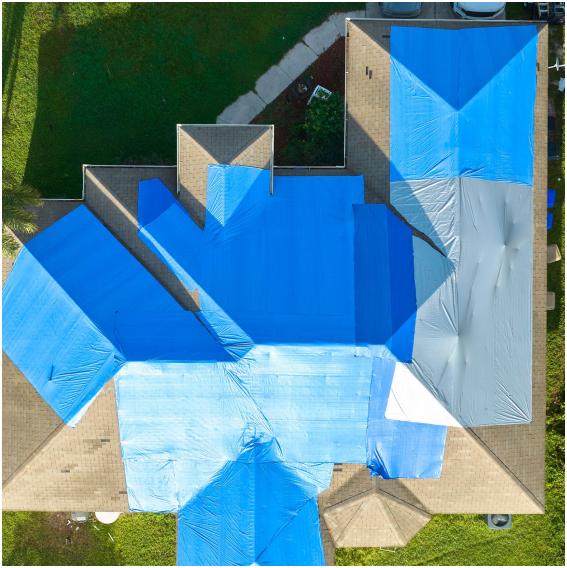
Sicklerville sits in the heart of South Jersey, where the weather can shift fast and hit hard. Summers bring heavy thunderstorms with strong wind gusts that peel back shingles and push water under flashing. Winter brings temperature changes that exploit any existing weakness in your roof, turning a small gap or cracked sealant into an active leak before the season is over. Add in the mature trees throughout Camden County neighborhoods, and you have a real recipe for storm-related roof damage, whether that means a fallen branch, scattered shingles, or a flashing failure that lets water straight into your attic. When any of those things happen, waiting even a few hours can mean water spreading further into your home.
That urgency is exactly why Grand View Roofing & Exteriors offers emergency roof repair to homeowners throughout Sicklerville. When you have an active leak or visible storm damage, the priority is stopping the problem fast, protecting your interior, and giving you a clear picture of what needs to be fixed and why. That might mean temporary leak containment while conditions are still rough outside, followed by permanent shingle replacement, flashing repair, or deck work once it is safe to do the job right. Either way, you are not left waiting and wondering while rain finds its way deeper into your home.
How Emergency Roof Repair Works in Sicklerville, NJ
A roof leak can create a lot of urgency, but the repair process itself follows a straightforward sequence designed to protect your home and address the source of the problem as quickly as possible.
- Step 1: Immediate Response and Triage
When you contact us, our priority is getting a clear understanding of what is happening at your property. We gather basic details about the damage so our crew arrives with the materials and equipment needed to respond effectively. The goal is to get to the source of the issue quickly before additional water intrusion causes further damage. - Step 2: Temporary Stabilization and Protection
The first task on site is limiting any ongoing damage. Depending on the situation, that may involve installing a tarp, securing damaged roofing materials, or addressing a compromised flashing area. Protecting the interior of your home while the repair plan is developed is the focus of this stage. - Step 3: Full Inspection Once Stabilized
After the immediate concern has been contained, we inspect the damaged section and the surrounding roof area. Shingles, flashing, roof decking, and other nearby components are evaluated to determine whether the problem extends beyond the obvious point of entry. This helps ensure the repair addresses the actual cause rather than just the visible symptom. - Step 4: Permanent Solution Planning and Execution
We explain what was found, what repairs are needed, and why those repairs are being recommended. If the issue is isolated to a small area, we address only the affected components rather than suggesting unnecessary work. Many emergency repairs can be completed the same day, while others may require a scheduled return visit depending on the extent of the damage. - Step 5: Prevention Guidance and Follow-up
Once the repair is finished, we review the completed work with you and discuss the overall condition of the surrounding roof area. If there are locations that should be monitored in the future, we will point them out so you have a better understanding of what to watch for moving forward.
Common Emergency Repair Triggers in Sicklerville, NJ
South Jersey storms can cause roof damage in more ways than one, and knowing what typically drives an emergency call can help you act faster when it matters. The situations below are the most common reasons Sicklerville homeowners need urgent roof attention, ranging from active leaks to visible structural exposure.
| Emergency Trigger | What It Looks Like | Immediate Priority |
|---|---|---|
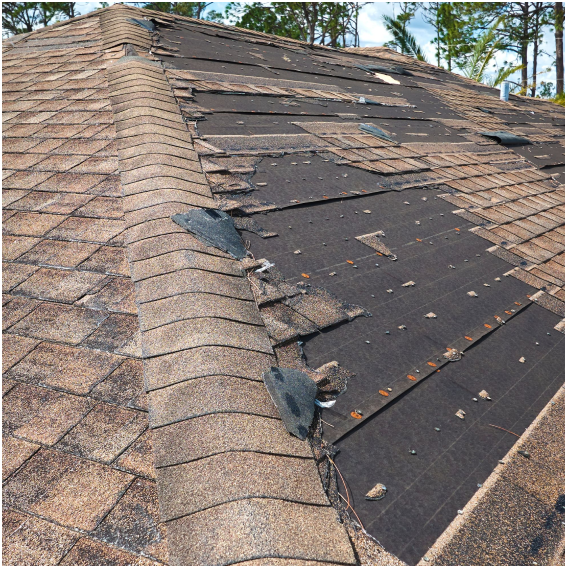
| Wind-driven shingle loss | Missing or curled shingles, exposed roof decking visible from the ground | Temporary cover and shingle replacement |
| Active leak during heavy rain | Water stains spreading on ceilings or walls, dripping in the attic | Leak isolation and interior protection |
| Flashing failure | Separated or corroded flashing around chimneys, vents, or valleys | Flashing repair or reseal to stop water entry |
| Tree or branch impact | Punctured shingles, cracked roof decking, and debris embedded in the surface of the roof | Debris removal, inspection of the roof decking beneath |
| Temperature-related cracking | Brittle sealant, lifted shingles on older roofs after cold spells | Targeted repair before the next rainstorm |
When damage reaches past the shingles into the roof decking or framing underneath, the repair becomes more involved and more urgent. Catching these situations early, before a second storm hits, is what keeps a manageable repair from becoming a much larger project.
Same-Day Tarping and Leak Containment
When conditions outside prevent a full permanent repair, we apply heavy-duty tarps or temporary sealant to exposed areas so water stops moving into your home right away. This immediate protection is what keeps a single damaged section from spreading moisture to your ceilings, insulation, and interior walls before the real repair work begins.
Roof Decking and Underlayment Review
Surface shingles tell part of the story, but the roof decking and underlayment underneath are what actually protect your home's structure from moisture. If storm damage or a prolonged leak has softened or compromised those layers, we identify them during the repair process so you know exactly what was affected and what was replaced.
Flashing Resealing Around Gaps and Joints
Chimneys, pipe boots, skylights, and roof valleys are the spots most likely to let water in when flashing pulls away or corrodes, especially after heavy wind or temperature changes. As part of emergency repair, we address any flashing failures in the damaged area so you are not left with a patched surface that still leaks at the seams.
Tree Debris Removal and Impact Zone Repair
Fallen branches and embedded debris do not just break shingles; they can crack or puncture the roof decking below and leave openings that are hard to spot from the ground. We clear the affected area and repair the full zone of impact, not just the visible surface damage, so nothing is left open to the next round of South Jersey rain.
Get Emergency Roof Repair Done Right in Sicklerville, NJ
South Jersey weather does not give you much warning, and a roof that is already showing wear has even less margin when the next storm rolls through. Addressing an active leak or storm damage quickly is what keeps a repair centered on shingles and flashing rather than expanding into the roof deck or the structure below. For homeowners in this part of Camden County, getting that work done fast protects your family, your interior, and your long-term investment in your property.
Grand View Roofing and Exteriors is ready to respond when you need help. Whether you are dealing with an active leak right now or you noticed damage after a recent storm, reach out, and we will take it from there. No pressure, just a straightforward conversation about what your roof needs and how we can fix it.
Frequently Asked Questions
If my roof is actively leaking during a storm, should I wait until it stops raining to call for repairs?
No, call as soon as you spot the problem. Waiting until a storm passes gives water more time to spread through your ceiling, insulation, and interior walls, which can turn a localized repair into a much larger project. A roofing team can often apply temporary protection even in wet conditions to stop the damage from moving further into your home before permanent repairs are possible.
My neighborhood has a lot of mature trees close to the house. What should I know about tree-related roof damage that most homeowners miss?
The visible break or puncture in your shingles is rarely the whole picture. When a branch comes down, the impact can crack or compress the roof deck underneath without leaving an obvious mark on the surface, and that hidden damage stays open to rain until it is properly inspected. In older Camden County neighborhoods where tree canopies are dense and overhanging, it is worth having the full impact zone reviewed rather than assuming a surface patch is enough.
Does the pitch or height of my roof affect how quickly an emergency repair can get done?
It can, yes. Steeper or taller roofs take more time to work on safely, and tighter lot layouts in some Sicklerville subdivisions can limit equipment access and add complexity to the job. That said, these factors affect how the repair is approached and staged rather than whether it gets done urgently. A qualified crew accounts for those conditions upfront, so the work still moves quickly, and the right safety measures are in place.