





 24/7 emergency services


 Call Us Today - (856) 305-9883


Emergency Roof Repair in Turnersville, NJ
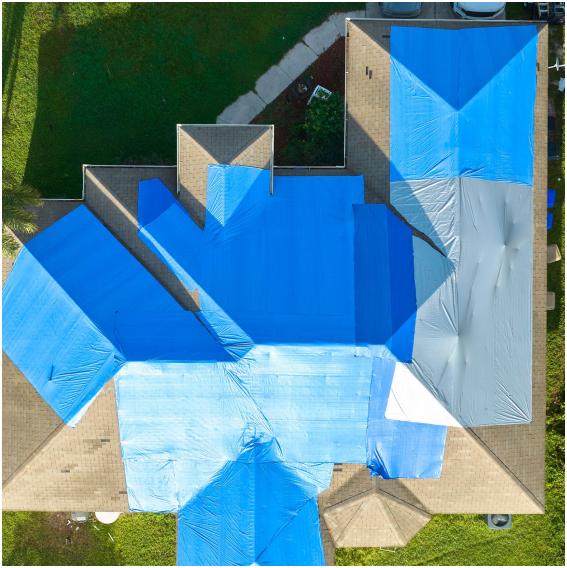
Turnersville gets hit from both ends of the calendar. Summer thunderstorms roll through with strong winds and heavy rain that can lift shingles, tear flashing loose, and leave gaps around chimneys and vents before you even realize something went wrong. Then winter brings temperature changes that put real stress on aging roofing materials, and the freeze and thaw cycle that follows can turn a small, slow leak into a soaked ceiling or damaged insulation. With close to 50 inches of precipitation spread across all four seasons, there is rarely a stretch of weather that gives your roof a full break. For homes in this part of Gloucester County, many of which were built decades ago with shingles and underlayment that are well past their prime, the risk of a sudden leak is not a matter of if but when.
That kind of urgency is exactly what Grand View Roofing & Exteriors is built for. When you are dealing with an active leak or storm damage, you need someone who knows what South Jersey weather does to suburban rooflines and can respond fast enough to stop the damage before it spreads deeper into your home. Our rapid storm damage response can protect your ceilings, walls, and attic from the kind of water damage that turns a straightforward repair into a much larger project.
How Emergency Roof Repair Works in Turnersville, NJ
When your roof is actively leaking or storm-damaged, the last thing you need is to wonder what happens next. Here is exactly how Grand View Roofing & Exteriors handles an emergency call from start to finish.
- Step 1: Immediate Response and Triage
You call, and we move fast. We gather the basics about what you are seeing so our crew arrives prepared with the right materials and equipment. Getting to you quickly matters because every hour an active leak goes unaddressed, more of your home is at risk. - Step 2: Temporary Stabilization and Protection
Before anything else, we stop the damage from spreading. Depending on what we find, that may mean placing a tarp, sealing exposed fasteners, or securing lifted flashing around a chimney or vent. This step protects your ceilings, insulation, and interior walls while we figure out the full scale of the problem. - Step 3: Full Inspection Once Stabilized
With the immediate threat contained, we take a complete look at the affected area and anything nearby that may have been compromised. We check shingles, underlayment, flashing, and roof gaps to understand exactly what failed and why. - Step 4: Permanent Solution Planning and Execution
We walk you through what needs to be repaired and explain your options clearly. If the fix is straightforward, we handle it the same day. We only recommend work that is actually necessary, and if temporary stabilization is all that is needed right now, we will tell you that directly. - Step 5: Prevention Guidance and Follow-up
Before we leave, we point out any other areas that could become problems through future storms or temperature changes. You will know exactly what was done, what to watch for, and whether any follow-up work makes sense down the road.
Common Emergency Roof Problems in Turnersville, NJ
Most emergency calls in Turnersville follow a familiar pattern. A storm moves through, wind gets under shingles or around a flashing seam, and rain finds its way into your home before the sky even clears. Knowing what tends to fail first can help you understand what you are dealing with and why fast action matters.
| Common Problem | Typical Cause | Why It Needs Fast Attention |
|---|---|---|
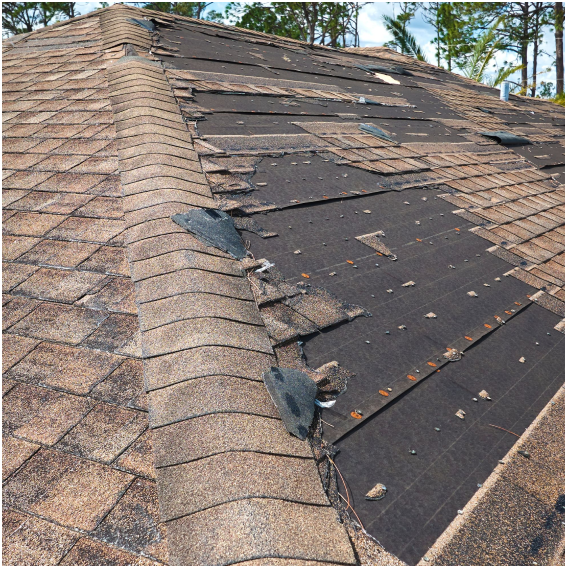
| Lifted or missing shingles | High winds during summer thunderstorms | Exposed underlayment absorbs water quickly and can fail within hours |
| Flashing failure at chimneys or vents | Wind-driven rain is forcing water under loose seams | Water follows the gap directly into the roof deck and attic |
| Shingle cracking and separation | Temperature changes stress older asphalt materials | Cracks allow water to reach the underlayment and eventually the ceilings |
| Exposed or backed-out fasteners | Aging materials and repeated weather stress | Small gaps around fasteners can let water track into the roof structure |
| Leak spreads to insulation or drywall | Delayed response to an active roof opening | Water damage to interior materials adds a significant repair cost |
Suburban two-story homes in Turnersville can be harder to access quickly, which is one reason temporary protection matters so much in the early stages. Getting a tarp placed correctly or a flashing seam sealed right away gives you time to plan permanent repairs without watching the damage grow.
24/7 Storm Response for South Jersey Weather
Grand View Roofing & Exteriors is available around the clock because summer thunderstorms and winter weather don't follow business hours. Whether a storm rolls through at midnight or a leak shows up on a Sunday morning, you get the same fast response you would expect on a weekday afternoon.
Shingle Replacement with Matched Materials
When shingles are blown off or cracked beyond sealing, we replace them with asphalt shingles suited to the existing roof so the repair holds up and doesn't stand out. Getting the right material in place quickly is what separates a lasting fix from a patch that fails at the next storm.
Flashing Repair Around Roof Gaps
Chimneys, vents, and skylights are among the most common spots where storm damage opens a path for water into your home. We reseal and restore compromised flashing at these gaps so water has no gap to follow the next time rain and wind hit together.
Underlayment Restoration After Surface Damage
When shingles are lifted or missing, the underlayment beneath them takes the hit directly. If that layer is torn, saturated, or exposed for too long, it stops doing its job, so we address the underlayment condition as part of the repair rather than just replacing the surface material above it.
Get Emergency Roof Repairs Done in Turnersville, NJ
South Jersey weather is consistent in one way: it keeps coming. Whether a warm-season storm finds a weak seam around a vent or temperature changes work their way into aging shingles over winter, your home's exposure to leaks doesn't pause between seasons. Acting quickly when something fails protects your ceilings, attic, and interior walls from the kind of damage that multiplies the longer water has a path inside. For a home that may already have years of weather stress built into its roofing materials, a fast, complete repair is the most direct way to protect your investment.
Grand View Roofing & Exteriors is ready to respond when you need it most. If you are seeing signs of a leak or suspect storm damage, reach out, and we will get someone to you quickly. There is no pressure to commit to anything before you understand exactly what is going on with your roof.
Frequently Asked Questions
My roof isn't actively dripping, but I can see that a shingle is missing after last night's storm. Do I still need to call right away?
Yes, and the weather in this part of South Jersey is exactly why. Even without visible dripping, exposed underlayment starts absorbing moisture immediately, and with the region seeing rain spread across nearly every month of the year, a gap in your roof’s surface rarely stays dry for long. Getting the area tarped or patched quickly keeps a minor problem from quietly spreading into your attic insulation and ceiling materials before the next storm arrives.
What makes flashing repairs around chimneys and vents so common after storms in Turnersville, specifically?
A lot of it comes down to housing age. Many homes in this area were built during the postwar suburban era, which means the flashing at chimneys, vents, and skylights has been through decades of temperature swings between warm summers and cold winters. That repeated expansion and contraction loosens seals over time, so when a summer thunderstorm drives wind-driven rain sideways against those seams, water finds the gap quickly. On 2-story suburban rooflines, those gaps can also be harder to spot from the ground, so damage at those points often goes unnoticed until water shows up inside.
Is a temporary tarp considered a real repair, or is it just a stopgap that leaves my roof vulnerable?
A properly placed tarp is a legitimate first step, not a shortcut. In New Jersey, any repair that touches structural elements can trigger permit requirements, so stabilizing the roof first and completing permanent restoration separately is often the right sequence, not just a contractor preference. What matters is that the tarp is secured correctly to keep water out during the interval between temporary protection and the permanent fix, which is where experience makes a real difference on a standard suburban roofline.