





 24/7 emergency services


 Call Us Today - (856) 305-9883


Emergency Roof Repair in Williamstown, NJ
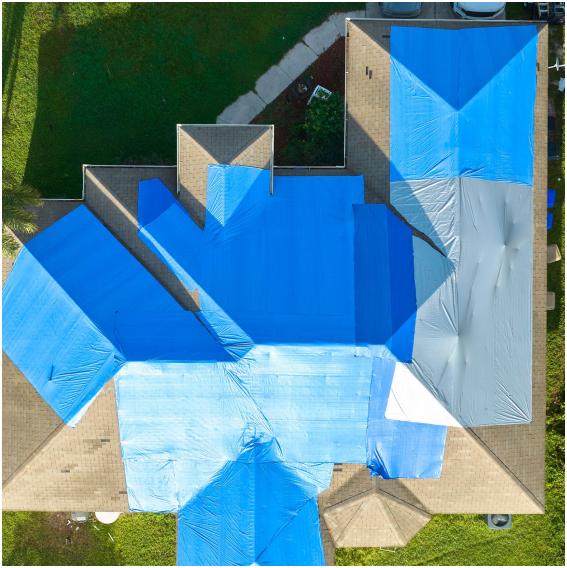
Southern New Jersey weather does not give homeowners much warning. Williamstown sits in a part of Gloucester County where summer thunderstorms can roll in fast and dump heavy rainfall in a matter of hours, while winter brings snow, ice, and sharp temperature changes that gradually open up weak spots in older roofing. With annual rainfall hovering around 50 inches and precipitation spread across well over 150 days a year, your roof is under constant pressure throughout every season. When a storm exposes a vulnerability, whether it is a missing shingle, failed flashing around a chimney or vent, or a crack in the membrane on a flat roof, water does not wait for a convenient repair window.
That urgency is exactly why Grand View Roofing & Exteriors offers emergency roof repair around the clock to homeowners in Williamstown. A fast response is not just a convenience; it is the difference between a contained repair and water spreading through your attic, insulation, and ceilings. The detached single-family homes throughout this area tend to have larger roof planes, attached garages, and multiple roof intersections, all of which create more opportunities for storm damage to develop quickly. Getting a qualified roofer on site to inspect the damage, stop active leaks, and secure the roof with temporary protection keeps a manageable problem from growing into something far more serious.
How Emergency Roof Repair Works in Williamstown, NJ
Roof emergencies require quick action, but they also require a clear process. Understanding how the situation is handled from the start can help you know what to expect while the damage is being addressed.
- Step 1: Emergency Assessment
The priority is determining the source and severity of the problem. Once on site, we evaluate where water is entering the roofing system, identify visible damage, and assess any immediate risks that could allow conditions to get worse. - Step 2: Temporary Protection Measures
After the initial assessment, temporary measures are put in place to reduce additional damage. Depending on the conditions present, this may involve emergency tarping, temporary sealing, or covering exposed sections of the roof until permanent repairs can be completed. - Step 3: Full Roof Inspection
Once the roof is protected from further exposure, a more detailed inspection is performed. This includes examining roofing materials, flashing, roof transitions, gaps, and any nearby areas that may have been affected by the same issue. The goal is to identify all contributing factors before repairs begin. - Step 4: Repair Planning and Completion
The recommended repair approach is reviewed with you, including the materials needed and the work required to correct the problem. If the damage is limited and only a small repair is necessary, that is communicated directly. Most roof repairs can be completed within a single day, depending on site conditions and material availability. - Step 5: Final Review and Maintenance Recommendations
After repairs are finished, the completed work is reviewed and the cause of the issue is explained. Any nearby areas showing signs of wear or potential future concerns are also discussed so you have a better understanding of the roof’s overall condition moving forward.
Common Emergency Roof Situations in Williamstown, NJ
Not every roofing problem qualifies as an emergency, but some situations genuinely cannot wait. Knowing what typically triggers an urgent repair call can help you recognize when fast action protects your home and when a scheduled visit may be enough.
| Emergency Situation | Common Cause | Typical Immediate Action |
|---|---|---|
| Active leak through the ceiling or attic | Failed flashing, cracked membrane, or missing shingles after heavy rain | Temporary sealing and emergency tarping to stop water entry |
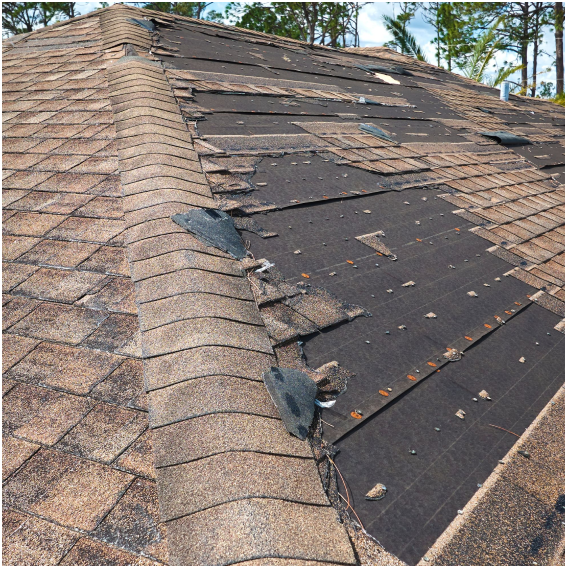
| Wind-blown or missing shingles | Thunderstorm gusts or winter storm damage exposing the roof deck | Patching exposed area and securing remaining shingles |
| Leak around a chimney, vent, or skylight | Deteriorated flashing or cracked sealant at roof gaps | Resealing or replacing flashing at the affected gap |
| Flat roof standing water or membrane failure | Blocked drains or seam separation after temperature changes | Locating breach point and applying targeted membrane repair |
Flat roofs require a different approach than shingle roofs because pinpointing the actual breach point takes more careful inspection before any repair begins. For suburban Williamstown homes with larger roof planes, garage connections, and multiple intersections, storm damage can affect more surface area than it first appears. A complete on-site inspection after stabilization makes sure nothing gets overlooked before the permanent repair is finished.
Around-the-Clock Availability for Storm Response
Grand View Roofing & Exteriors is reachable day or night because roof damage in Williamstown rarely happens on a convenient schedule. Whether a summer thunderstorm rolls through at midnight or a winter storm leaves your roof exposed before dawn, you have access to a qualified crew that can respond before the damage spreads further.
Targeted Flashing Repair at Roof Gaps
Chimneys, vents, and skylights are among the most common entry points for water on suburban homes in this area, and repairing them requires precise work with the right materials to create a lasting seal. We address flashing failures at these gaps directly, not just the surface symptoms, so the repair holds through future storms and temperature changes.
Specialized Flat Roof Leak Localization and Sealing
Flat roof membranes require a different approach than shingle repairs because the actual breach point is often not directly above where water appears inside. We use careful surface inspection to isolate the exact failure point before applying a targeted membrane repair, which prevents repeat leaks from an improperly patched area.
New Jersey Code Awareness for Larger Repairs
Some emergency repairs in New Jersey move beyond a simple patch and into territory where local permit requirements apply, particularly when structural work or larger replacement sections are involved. Knowing where those lines fall helps make sure your repair is completed correctly from the start, without surprises tied to code compliance down the road.
Get Emergency Roof Repair Done Right in Williamstown, NJ
Southern New Jersey weather puts real pressure on roofs year after year. The heavy rainfall, wind-driven storms, and temperature swings that cycle through this area are not unusual events. They are regular enough that even a well-maintained roof can develop a weak point over time. Catching a problem fast after it opens up is what keeps a repair manageable and protects the rest of your home from water damage that spreads quietly through attic space and interior ceilings.
Grand View Roofing & Exteriors is here when you need a fast, qualified response to roof damage in Williamstown. If your roof is actively leaking or you have visible damage after a storm, reaching out sooner rather than later is the straightforward next step. The team is available around the clock, and most repairs are completed the same day. Give Grand View Roofing & Exteriors a call whenever you are ready and get someone on site who can stop the problem at the source.
Frequently Asked Questions
Can a temporary tarp or patch hold through another storm before the permanent repair is done?
In most cases, yes, but it depends on how the temporary protection was installed and what kind of storm follows. A properly secured emergency tarp or sealed patch is designed to hold through typical rain and wind, not an extended stretch of heavy weather. If a significant storm is forecast shortly after your emergency call, let us know so we can factor that into how we secure the roof and prioritize getting the permanent repair scheduled as quickly as possible.
My roof looked fine before the storm. Why did it fail so suddenly?
This is more common than most homeowners expect, especially in southern New Jersey, where roofs cycle through humid summers, heavy rainfall, and winter temperature swings year after year. That kind of repeated stress gradually weakens flashing seals, shingle adhesion, and membrane seams in ways that are not always visible from the ground. A storm does not always create the damage; it often just exposes a weak point that was already developing beneath the surface.
Does it matter what type of roof I have when calling for emergency repair?
It matters more than most people realize. Asphalt shingle repairs are generally straightforward to locate and patch quickly, while flat roof membranes require a more careful inspection process to find where the breach actually is, since water can travel well before it shows up inside your home. Telling us your roof type when you call helps us arrive with the right materials and set realistic expectations for how the repair will proceed.