





 24/7 emergency services

 Call Us Today - (856) 305-9883


Roof Replacement in Williamstown, NJ
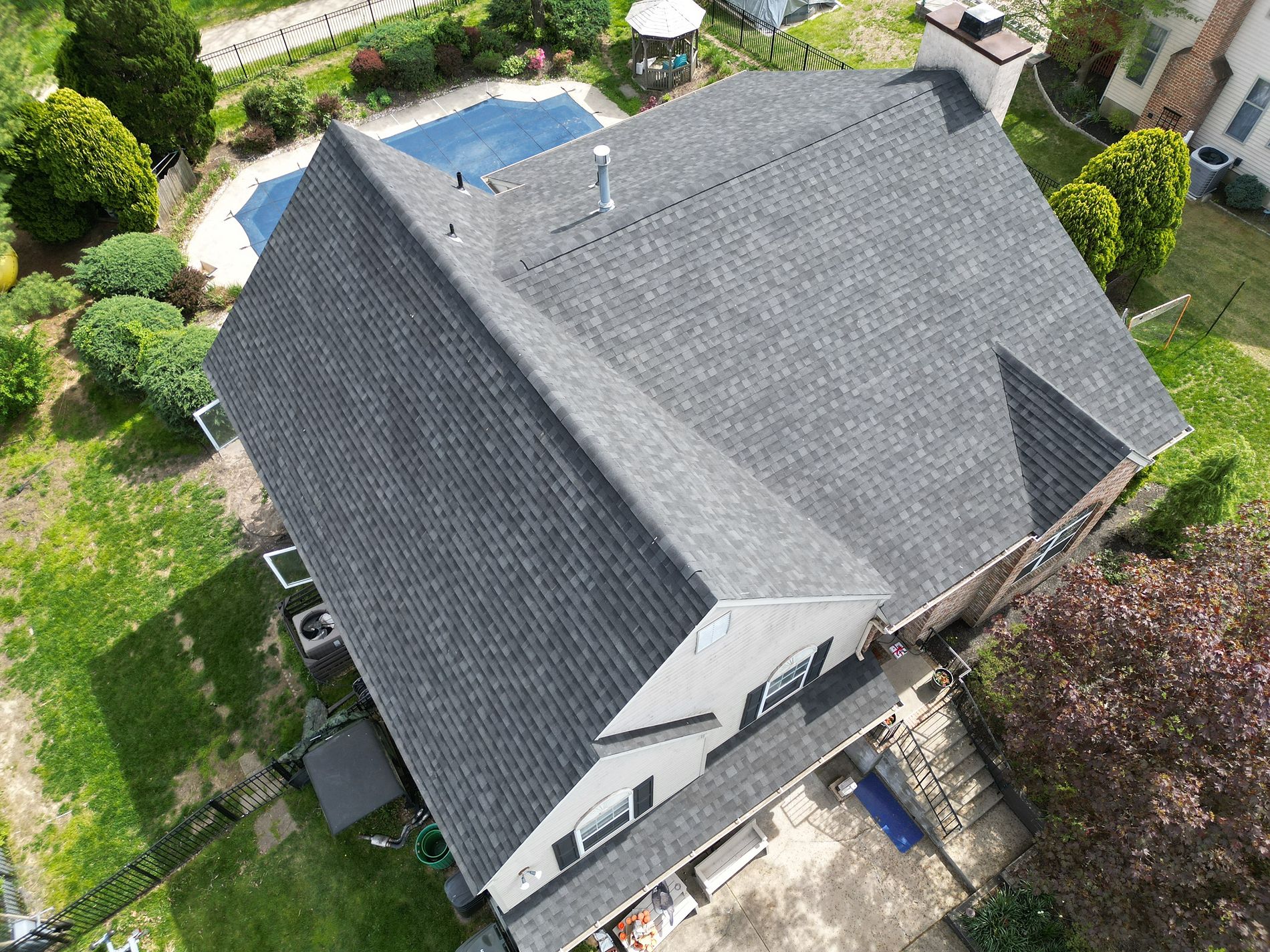
Williamstown takes a beating from the weather year-round. Summers push temperatures into the 90s with heavy rainfall and humidity that works its way under aging shingles, encouraging mold growth that weakens the roof deck from below. Winters bring hard freezes, occasional snow, and ice buildup along edges and valleys that force water back under the shingle line. For the many homes in this area built between the 1960s and 1980s, that kind of repeated stress adds up fast. Most asphalt shingle roofs carry a lifespan of around 20 to 25 years, and a significant portion of the housing stock here is well past that mark. A roof that looks serviceable from the street may already be letting moisture into your attic, your insulation, and eventually your ceilings.
A complete roof replacement addresses what patchwork repairs cannot. When the underlying deck, flashing, and ventilation are all part of the project, you get a system that actually works together against the weather patterns specific to this region. Grand View Roofing & Exteriors understands what Williamstown homes face, and brings the kind of hands-on experience that makes a real difference in how your new roof holds up over time. Proper material selection, careful attention to valleys and edges, and installation that meets Gloucester County building codes all contribute to a roof that protects your home for decades rather than just a few more seasons.
How Roof Replacement Works in Williamstown, NJ
A roof replacement is a significant investment, and understanding each stage helps reduce uncertainty throughout the process.
- Step 1: Existing Condition Inspection
We begin with a full evaluation of your current roof, including shingles, flashing, roof decking, ridgeline, and edge details. We identify soft areas, leaks, material breakdown, and any structural concerns that influence how the project should be planned. This establishes a factual baseline before any recommendations are made. - Step 2: Honest Recommendation
After reviewing the roof, we provide a direct assessment. If repairs can reasonably extend service life, we will say so rather than move immediately to replacement. If age, roof deck condition, or overall system failure makes replacement the appropriate option, we explain the reasoning clearly so the decision is informed. - Step 3: Options, Specifications, and Detailed Quote
Once you decide to proceed, we review material options appropriate for local weather conditions and your home’s design. This includes shingle grade, ventilation requirements, and roof-specific details based on layout and slope. You receive a detailed written quote with a defined job scale and no ambiguous line items. - Step 4: Professional Installation
The existing roofing system is removed, and the roof deck is inspected before new materials are installed. Any compromised sections are addressed while the roof is open. Flashing, valleys, and edge transitions are handled with particular attention, as these are common failure points in older Williamstown homes. - Step 5: Quality Assurance and Final Walkthrough
After installation, the completed roof is reviewed for proper installation and code compliance at the county level. We then walk you through the finished work, confirm key installation points, and verify that the system is performing as intended before closing out the project.
Roof Replacement Options for Williamstown, NJ
Choosing the right materials for your roof replacement matters more than most homeowners realize. The weather here puts real stress on a roofing system, and not every shingle grade or installation approach holds up equally well over time. Understanding what goes into the decision can help you feel confident in the choices you make.
| Factor | What It Means for Williamstown Homes | Why It Matters |
|---|---|---|
| Shingle Grade | Higher-grade asphalt shingles resist cracking from temperature changes and handle wind uplift better | Protects against the region's hot summers, hard winters, and occasional strong winds |
| Deck Condition | Older homes from the 1960s and 1980s often have hidden moisture damage beneath existing shingles | A compromised deck affects how well new materials bond and perform long-term |
| Ventilation | Proper attic airflow reduces heat buildup in summer and limits ice formation along roof edges in winter | Poor ventilation shortens shingle life and increases the risk of leaks |
| Valleys and Edges | These areas handle the most concentrated water runoff during heavy rainstorms | Precise work here prevents the moisture problems that aging Williamstown roof lines are most prone to |
Most replacement projects in this area fall somewhere between $5,890 and $12,800, with the final number depending on your roof size, pitch, and how many stories your home has. Spring and early fall tend to be the best windows for scheduling, giving materials time to seal properly before extreme temperatures arrive.
Full Deck Inspection Before New Materials Go Down
Once the old roofing is stripped away, we inspect every section of your roof deck before a single new shingle is installed. On older Williamstown homes, hidden rot and soft spots from years of moisture exposure are common, and covering those problems up would undermine the entire replacement.
Ice and Water Protection Along Vulnerable Areas
We install protective underlayment along eaves, valleys, and edges where winter ice buildup and heavy rain put the most pressure on your roof. For homes in this area that have dealt with ice damage season after season, this layer makes a real difference in keeping water out.
Proper Flashing Replacement at Transitions and Gaps
Wherever your roof meets a wall, chimney, vent pipe, or other feature, new flashing is installed as part of the project. Old or improperly sealed flashing is one of the most common sources of leaks in aging homes, and reusing original flashing on a new roofing system is a shortcut that creates problems down the road.
Permit Compliance for Gloucester County Requirements
Roof replacements in this area require permits, and all work is performed to meet current Gloucester County building codes. That matters for your protection as a homeowner, covering everything from structural requirements to proper installation standards, and it keeps your investment standing on solid legal ground if you ever sell the home.

Plan Your Roof Replacement in Williamstown, NJ
Homes in this part of Gloucester County face a real range of weather across the year, from humid summer heat that quietly degrades roofing materials to winter cold that tests every seal and edge. For a house that's been standing since the 1970s or earlier, a new roof isn't just a repair decision. It's the difference between protecting what you've built and spending the next several years chasing problems that keep coming back. Getting ahead of that before visible damage reaches your ceilings or walls is the practical move.
If you're ready to get a closer look at what your roof actually needs, Grand View Roofing and Exteriors is a straightforward call or message away. There's no obligation to move forward before you're comfortable, and a simple inspection is a good place to start. Reach out when you're ready, and we'll take it from there.
Frequently Asked Questions
Does the age of my home's original deck boards affect what I can have installed on top?
Yes, and it's one of the more important details that come up on older Williamstown homes. Roof decking from the 1960s and 1970s was often installed with gaps between boards, which doesn't meet current code and can require sheathing to be added before new materials go down. That's something a thorough inspection will catch early, so there are no surprises once the old roofing is stripped away.
Why do so many Williamstown roofs seem to fail along the edges and lower sections first?
It comes down to how water behaves on this region's typical roof lines, combined with winter ice buildup. When ice forms along the lower edge of a roof and then melts, water gets trapped and backs up under the shingles rather than draining off. Older home designs common in this area, with wider overhangs and complex valleys, tend to collect that standing water in the same spots year after year until the damage becomes unavoidable.
Do I need to be home during the roof replacement, or can the crew work while I'm away?
You don't need to be present for the installation itself, but being available at the start of the project is helpful in case anything unexpected turns up on the deck once the old roofing comes off. A quick decision on how to handle any discovered damage keeps the project moving without delays. Most homeowners in Williamstown find it easiest to check in at the beginning and the final walkthrough, then go about their day in between.