





 24/7 emergency services


 Call Us Today - (856) 305-9883


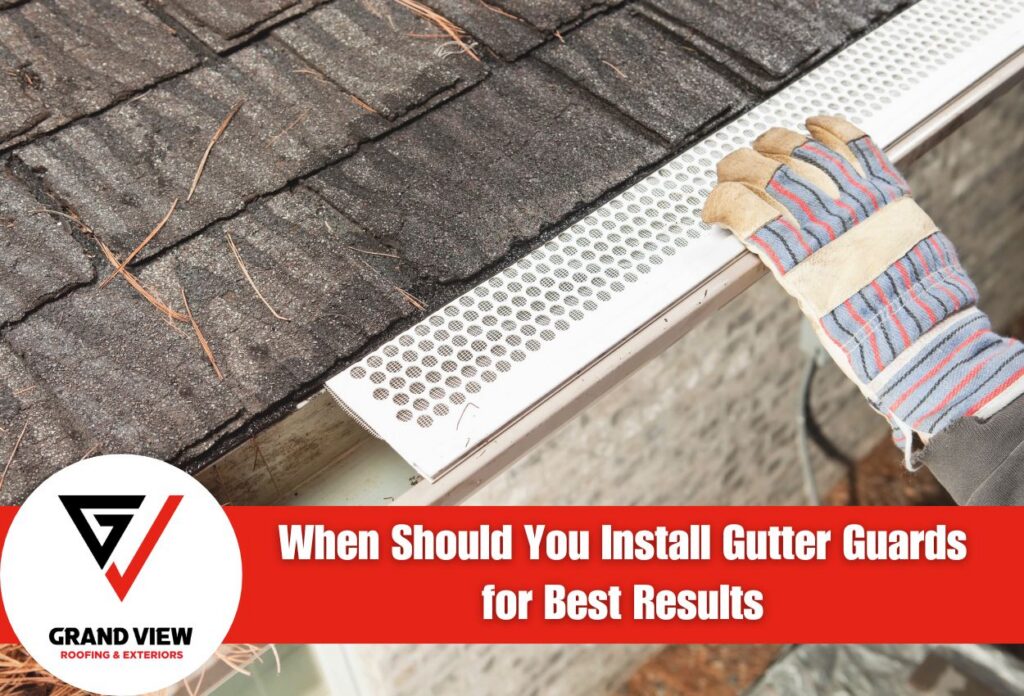
Gutter guards are one of the most practical upgrades a homeowner can make to protect their property from water damage. But knowing when to install them makes a real difference in how well they perform and how long they last. Timing affects everything from how smoothly the installation goes to how quickly you start seeing the benefits of gutter guards.
Several factors shape the ideal gutter guard installation timing, including the current condition of your gutters, local weather patterns, and the seasonal debris cycles around your home. Getting ahead of heavy leaf fall or the rainy season can prevent expensive clogs and overflow issues before they start. Understanding how gutter guards work also helps clarify why installation at the right moment matters so much.
Whether gutters are pulling away from the roofline, overflowing during storms, or constantly clogging with debris, these are signs you need gutter guards sooner rather than later. The best time to install gutter guards depends on a combination of these factors, and taking a closer look at each one makes it easier to decide the right move for your home.
Best Seasons for Gutter Guard Installation
Timing plays a major role in how successful a gutter guard installation turns out to be. Late spring and early fall are widely considered the best times to install gutter guards. During these seasons, temperatures are moderate, conditions tend to be drier, and adhesives or sealants used during installation can cure properly without interference from extreme heat or cold.
Late spring works well because winter debris has already been cleared and the heavy summer rains have not yet arrived. Early fall is another strong window, giving homeowners a chance to get guards in place before peak leaf season hits and gutters become overwhelmed with debris.
Winter and summer installations come with real challenges worth considering. Frozen gutters in winter make it difficult to properly seat guards and seal connections. Summer heat can cause certain gutter guard materials to expand or warp during installation, which may affect their fit and long-term performance. Both seasons also carry a higher risk of weather-related delays that can slow the process down.
For most homes, planning installation during a mild, dry stretch in spring or fall leads to better results and a smoother overall process.
Warning Signs That Indicate You Need Gutter Guards Now
While seasonal timing matters, certain warning signs suggest that waiting for the ideal window simply is not an option. Some conditions signal that gutter guards have shifted from a smart upgrade to an immediate necessity.
Frequent clogs are one of the clearest signs you need gutter guards. When gutters require cleaning multiple times per season just to keep water flowing, debris buildup has become a serious and ongoing problem. Water overflowing during rain is another red flag. When gutters cannot handle normal rainfall, water can pool near the foundation, leading to cracks, erosion, and expensive structural damage over time.
Pest infestations are also a strong indicator. Standing water and organic debris trapped in gutters create ideal conditions for mosquitoes, birds, and rodents. Spotting nests or noticing unusual pest activity near the roofline often points back to neglected gutters.
Safety is another factor that cannot be overlooked. When gutter cleaning becomes a frequent task that requires climbing ladders multiple times a year, the physical risk to homeowners increases significantly. At that point, gutter guards become less of a convenience and more of a practical safety solution. Recognizing these signs early allows homeowners to act before minor issues turn into major repairs.
Installing Gutter Guards Before Seasonal Debris Arrives
One of the smartest approaches to gutter guard installation timing is getting ahead of the seasons that bring the heaviest debris. Installing before fall leaf drop or the spring pollen surge gives gutters a clean starting point, allowing the guards to do their job from the very first day rather than trying to manage an already-compromised system.
The best time to install gutter guards with seasonal debris in mind is during those low-activity windows just before conditions shift. Late summer, for example, sits right before fall foliage begins, and late winter offers a similar opportunity before spring tree activity picks up. These quieter periods make it possible to thoroughly clean and inspect gutters before guards go on, which directly affects how well they perform over time.
Skipping that pre-installation cleaning is a common mistake. Guards placed over debris-filled gutters trap existing buildup and restrict water flow from the start. A proper inspection also catches any sagging sections, rust spots, or minor damage that should be addressed before installation. Understanding how gutter guards work makes it clear that the surface beneath them needs to be in good shape for the system to function correctly.
How Gutter Guards Function to Protect Your Home
Understanding how gutter guards work helps homeowners make better decisions about which type to choose and when to have them installed. While all gutter guards share the same basic goal of keeping debris out while letting water through, the way each type achieves that varies considerably.
Mesh guards use a fine screen to block leaves, pine needles, and small particles while rainwater passes through freely. Reverse curve designs use surface tension to guide water into the gutter while debris falls off the edge. Foam and brush inserts sit inside the gutter channel, allowing water to filter through while blocking larger debris from settling in. Each style has strengths depending on the surrounding vegetation and the volume of rainfall a region typically receives.
Gutter guard installation timing also affects how well a specific type performs in a given climate. Mesh guards, for example, need to be properly seated and sealed before heavy rain arrives so water routes correctly from the start. In areas with significant tree coverage, choosing a guard style designed for high debris volume makes a meaningful difference year-round.
Matching the right guard type to the right installation window sets the foundation for a system that handles seasonal weather consistently without constant maintenance.
Preparing Your Gutters Before Guard Installation
Before any gutter guard goes on, the gutters themselves need to be in solid working condition. Guards placed over a damaged or neglected system will not perform correctly, regardless of the product quality or installation timing. Cleaning, inspection, and any necessary repairs should always come first.
Start by clearing out all debris, including compacted leaves, sediment, and any standing water. Once the gutters are clean, check for rust spots, holes, separated seams, and sections that have pulled away from the fascia board. These issues are easier to address during mild weather, which is another reason spring and fall installations tend to go more smoothly than those attempted in extreme heat or freezing temperatures.
Gutter slope deserves careful attention as well. Gutters need a slight downward pitch toward the downspout to drain properly. A sagging or uneven section will cause water to pool beneath the guards rather than flow out. Loose hangers and spikes should be tightened or replaced before installation begins.
Any damaged components, including cracked downspout connectors or deteriorating end caps, should be swapped out at this stage. Addressing these details beforehand ensures the gutter guard installation has a sound foundation, which directly affects how well the system manages water and debris once it is in place.
Professional Installation Scheduling: What Homeowners Should Know
Choosing the right time to install gutter guards is not just about weather and seasons. Contractor availability plays a significant role in how smoothly the process goes. The need for roofing and exterior contractors tends to spike during the fall, right before winter, and in the busy stretch of late spring. Booking during these peak periods often means longer wait times and tighter scheduling windows.
Scheduling during off-peak periods, such as mid-winter in milder stretches or mid-summer, can work in a homeowner’s favor. Contractors typically have more availability, which allows for greater flexibility on start dates and a higher likelihood that the crew can give the project focused attention rather than rushing between back-to-back jobs.
Weather remains a key consideration for professional installers regardless of the season. Most experienced contractors will not install gutter guards during rain, high winds, or freezing temperatures. Wet surfaces interfere with proper adhesion and fastening, and cold conditions can affect how certain materials seat and seal. Professionals factor in multi-day forecasts before scheduling to reduce the chance of weather-related interruptions that could compromise workmanship. Planning and staying flexible with scheduling gives the installation the best possible conditions for a clean, lasting result.
Protect Your Home with Grand View Roofing & Exteriors Gutter Guards
Understanding when to install gutter guards is vital for the longevity and effectiveness of your home’s gutter system. At Grand View Roofing & Exteriors, we recommend scheduling your gutter guard installation during the moderate weather conditions of late spring or early fall. This timing ensures that your gutters are ready before the heavy debris of fall leaves and spring pollen can cause blockages.
Ready to enhance the functionality and safety of your home’s exterior? Contact Grand View Roofing & Exteriors today at (856) 305-9883 to schedule your professional gutter guard installation and ensure your home is protected throughout the year.
Frequently Asked Questions
Got questions about your roof? We’ve got answers. From maintenance tips to insurance claims and repair timelines, our FAQ section covers the most common concerns homeowners have. Get informed and make confident decisions about protecting your home.
People Also Ask
Do gutter guards require any maintenance after they are installed?
While significantly reducing clogs, gutter guards aren’t entirely maintenance-free. Occasional clearing of accumulated debris from the guard surface, especially after heavy storms, helps maintain the best potential water flow. An annual check ensures long-term performance and prevents minor blockages from developing.
How does roof condition affect the performance of newly installed gutter guards?
Gutter guards rely on a properly functioning drainage system to perform correctly. If the roof edge, fascia boards, or gutter alignment is compromised, water may bypass the guards or fail to enter the system as intended. Issues such as uneven rooflines, damaged fascia boards, or improper gutter pitch should be corrected before installation to ensure consistent water flow and long-term performance.
Can installing gutter guards affect my roof’s warranty or home insurance?
Reputable gutter guard installations, especially by professionals, typically do not void roof warranties or impact home insurance. However, always confirm with your roofing manufacturer and insurance provider, particularly if the installation involves altering existing roof components. This ensures full compliance and coverage.
Related Articles
-
 May 2, 2025Can Gutters Be Repaired Instead of Replaced? Save Money With These TipsGutter issues? Discover cost-effective repairs and when replacement is the better option.
 -
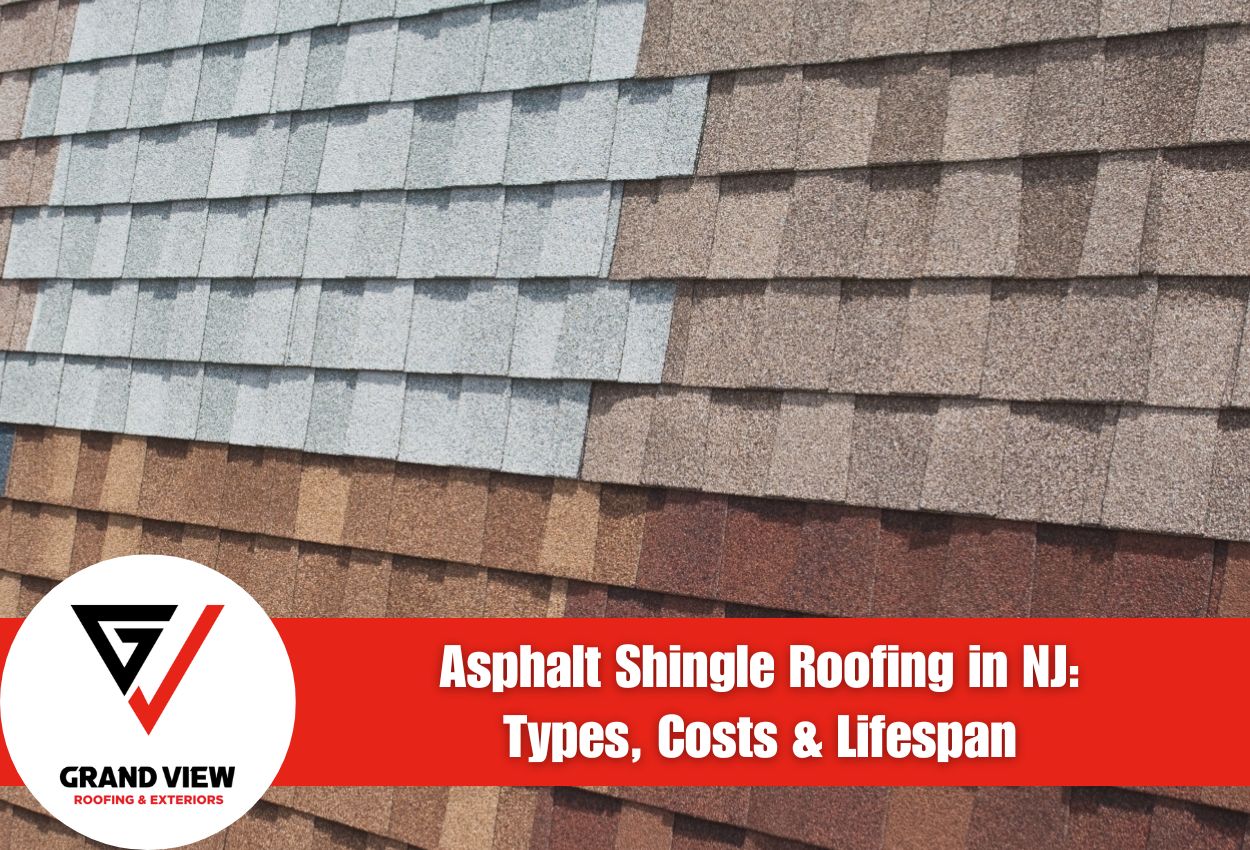 June 4, 2026Asphalt Shingle Roofing in NJ: Types, Costs & LifespanCompare asphalt shingle types, costs, and lifespan, then get your free South Jersey estimate today.
 -
 May 28, 2026What Is Window Replacement in South Jersey — and Do You Actually Need It?Window replacement in South Jersey is one of the most time-sensitive home improvement decisions a homeowner can make because the local weather patterns actively work against windows faster than in most inland markets. Humidity, salt content in the air from nearby coastlines, frequent coastal storms, and temperature swings between seasons all wear down frames, seals, […]
Protect Your Home with Expert Roofing
Don’t wait for leaks or storm damage to cause costly repairs. Our experienced roofing team provides fast, reliable service, high-quality materials, and lasting results. Ensure your home stays safe, secure, and looking great—contact us today for a free estimate.