





 24/7 emergency services

 Call Us Today - (856) 305-9883
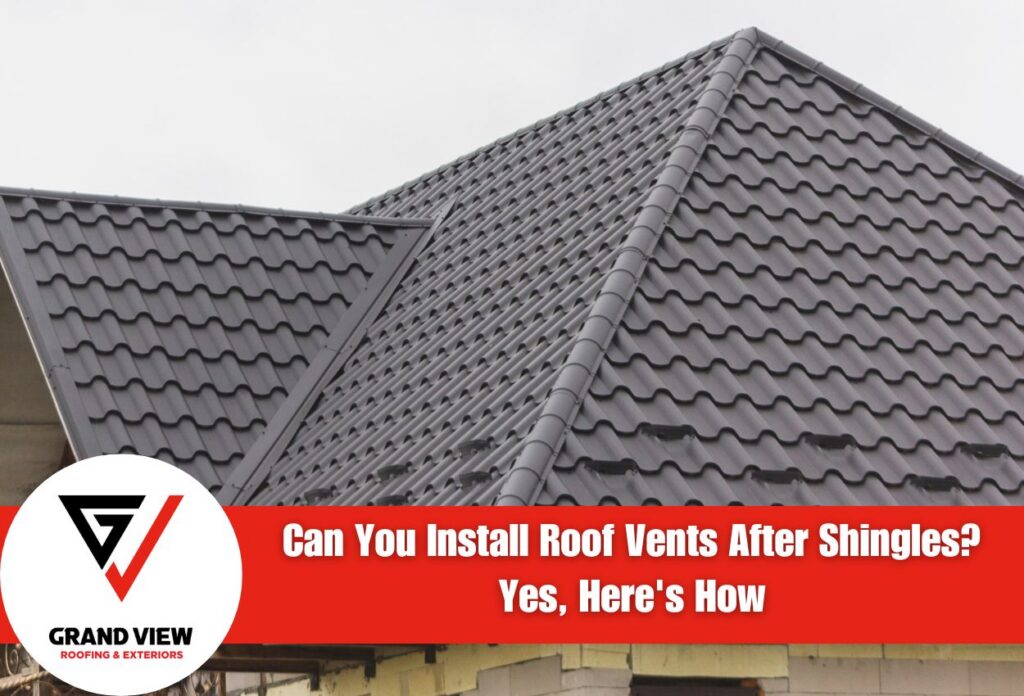
Yes, roof vents can be added to an existing asphalt shingle roof without tearing off the entire roof, and most South Jersey retrofits wrap up in 1 to 2 days. The process involves cutting through installed shingles to place vents at the ridge line or other key points. No full replacement is needed.
South Jersey summers push outdoor temperatures to 80 to 90 degrees, but attics without proper venting can reach 150 degrees or higher. That trapped heat accelerates shingle aging, causes granule loss, and shortens the life of your roof from the inside out. Adding vents after shingles are already on is one of the most common upgrades homeowners request in the region.
This article covers how the installation process works, how different vent types compare, what the project typically costs, and how to decide whether this is a job for a contractor or a confident do-it-yourselfer.
*Please note, price ranges listed in this article may not reflect the final cost of your project. Prices are subject to change based on various factors such as local labor rates, material quality, and more. All costs established in this article are rough estimates based on average industry rates.
What Types of Roof Vents Can Be Added to an Existing Shingled Roof?
All four main vent types, ridge vents, box vents, gable end vents, and soffit vents, can be retrofitted onto an existing shingled roof, but each one differs in how much ventilation it delivers per unit and how much work it takes to install.
| Vent Type | Installation Method | NFA per Unit | Average Unit Cost | Shingle Disruption |
|---|---|---|---|---|
| Ridge Vent | Remove cap shingles. Cut a 1 to 1.5-inch slot full ridge length. Cover with a shingle-over vent | 12 to 18 sq. inches per linear foot | $2 to $5 per linear foot | Partial cap shingles removed |
| Box / Low-Profile Vent | Cut a hole through the decking and existing shingles. Slide the vent under the surrounding shingles | 50 to 65 sq. inches per unit | $15 to $35 per unit | Minimal small cutout only |
| Gable End Vent | Cut an opening in the gable wall framing. No roof deck cutting required | 200 to 400 sq. inches per unit | $30 to $75 per unit | No wall installation |
| Soffit Vent | Cut holes in soffit panels. Insert vent covers | 10 to 18 sq. inches per unit | $5 to $20 per unit | None soffit installation |
New Jersey building code requires 1 square foot of net free area (NFA) for every 150 square feet of attic floor space or 1 to 300 with a vapor barrier installed. That ratio directly determines how many units you need, which is why vent type matters. A single gable end vent can deliver 200 to 400 sq. inches of NFA, while a box vent tops out at 65 sq. inches, meaning you may need 4 to 6 box vents to match what one gable vent provides. Ridge vents earn their popularity by running the full peak length, adding up fast on longer rooflines.
How Do You Cut Roof Vent Holes Through Installed Shingles Without Causing Damage?
Cutting roof vent holes through installed shingles takes 6 careful steps, and using the right sequence keeps breakage and leaks to a minimum.
- Locate the rafters from inside the attic. Use a tape measure to mark rafter positions on the roof decking before going up top. This keeps the cutout centered between framing members and avoids structural damage.
- Mark the cutout on the shingle surface. Trace the vent opening directly on the shingles using a chalk line or pencil, following the manufacturer’s template dimensions exactly.
- Cut through shingles and roof decking with a reciprocating saw. Set the blade depth to match your roof deck thickness, usually 5/8 inch, so the cut stays clean without gouging rafters below.
- Lift surrounding shingles to slip the flange underneath. The vent flange must overlap shingles by a minimum of 4 inches on the upper and side edges to create a watertight seal; anything less increases the risk of water intrusion.
- Fasten the flange with roofing nails spaced 6 inches apart. Drive nails through the flange and into the roof decking on all four sides, then press surrounding shingles back flat.
- Seal all flange edges with roofing caulk. Apply a continuous bead along the top and side edges of the flange where it meets the shingles, paying extra attention to the upper edge where water runs down.
Shingle Lifting and Temperature Considerations
Asphalt shingles installed within the last 15 to 20 years can typically be lifted without cracking. Shingles over 20 years old or any shingles in temperatures below 40 degrees become brittle and have a much higher breakage risk during the lifting step. Scheduling the installation in spring or fall, when temperatures sit between 50 and 70 degrees, reduces that risk considerably.
Permit Requirements
Some South Jersey municipalities require a permit for structural roof alterations, including cutting new vent openings. Homeowners should check with their local building department before making any cuts. Unpermitted work can affect homeowners’ insurance claims if damage is later traced back to the alteration.
Following the correct sequence and working within the right temperature range are the two factors most likely to determine whether a retrofit roof vent installation stays leak-free for the long term.
How Much Does It Cost to Install Roof Vents on an Existing Roof?
A full roof ventilation retrofit on a typical South Jersey single-family home runs $400 to $1,500 installed, depending on vent type and the number of units required for the attic square footage.
| Vent Type | Material Cost | Labor Cost | Total Installed Cost | Average Install Time |
|---|---|---|---|---|
| Ridge Vent (per linear foot) | $8 to $12 | $10 to $20 | $18 to $32 per linear foot | 3 to 6 hours total |
| Box Vent (per unit) | $15 to $40 | $75 to $150 | $90 to $190 per unit | 30 to 60 minutes per unit |
| Soffit Vent (per unit) | $5 to $20 | $50 to $100 | $55 to $120 per unit | 20 to 45 minutes per unit |
| Power / Solar Attic Fan (per unit) | $150 to $400 | $200 to $350 | $350 to $750 per unit | 2 to 4 hours per unit |
Ridge vent systems land at the higher end of that $400 to $1,500 range because they run the full peak length and require removing cap shingles along the entire ridge the most labor-intensive retrofit option. DIY installation can cut labor costs by 40% to 60%, but many vent manufacturers void installer warranties when a licensed contractor does not complete the work. Improper flashing during a retrofit is the leading cause of water intrusion callbacks in South Jersey, so the labor cost is often worth keeping. Grand View Roofing & Exteriors can assess your attic square footage and recommend the right vent count before any cuts are made.
Should You Install Roof Vents Yourself or Hire a South Jersey Roofing Contractor?
Hiring a licensed NJ roofing contractor is the right call for ridge vent installations on a 6:12 pitch or steeper, or for any full ventilation system upgrade, but a single box vent on a low-pitch roof can be a reasonable DIY project for a confident homeowner.
| Factor | DIY | Professional Install | Advantage |
|---|---|---|---|
| Upfront Cost | Materials only $15 to $75 per unit | $90 to $190+ per unit installed | DIY |
| Risk of Shingle Damage | Higher improper lifting, cracks, and aging shingles | Lower contractors manage flange seating and flashing | Professional |
| Warranty Protection | Most manufacturers void the warranty on DIY installs | Workmanship warranty included. Manufacturer’s warranty intact | Professional |
| Permit Handling | The homeowner is responsible for filing and compliance | Contractor pulls permits and ensures code compliance | Professional |
| Recommended For | Single box vent; 4:12 pitch or less; shingles under 15 years old | Ridge vents; 6:12+ pitch; full system upgrades | Depends on the job scale |
A single box vent on a roof with a 4:12 pitch or less and shingles under 15 years old is a manageable weekend project. Ridge vent installation on a 6:12 pitch or steeper is a different situation, flashing complexity and fall risk make it a job for a licensed contractor.
Getting 2 to 3 quotes from South Jersey contractors is strongly recommended, since most offer free ventilation assessments. A professional can also verify your attic meets NJ’s 1/150 ventilation ratio requirement and spot any blocked soffit vents, a common problem that undermines the entire system even when exhaust vents are properly installed. Grand View Roofing & Exteriors provides those assessments and can confirm your setup is code-compliant before any work begins.
What’s the ROI of Adding Roof Vents to an Existing Shingle Roof?
Proper attic ventilation can reduce summer attic temperatures by 40 to 50 degrees, which extends asphalt shingle lifespan by 10% to 25%, that’s 3 to 5 extra years on a standard 20-year shingle. That alone makes ventilation one of the highest-return upgrades available on an existing roof. Major shingle manufacturers document attic heat as a direct driver of granule loss and early brittleness, and some use it as grounds to deny warranty claims when ventilation falls below code minimums.
The energy savings side adds up, too. ENERGY STAR estimates that a well-ventilated attic reduces summer cooling by 10 to 15%. For a South Jersey home averaging $200 per month in summer electric bills, that translates to $20 to $30 in monthly savings or $240 to $360 annually. Over 10 years, those savings alone can offset the cost of a full ventilation retrofit several times over.
Winter protection is where the math gets even clearer: each ice dam incident costs $500 to $2,500 in repairs, and proper ventilation by keeping roof deck temperatures uniform is the most effective way to prevent them. South Jersey winters regularly drop to 20 to 30 degrees, and those temperature swings create the exact conditions that turn standing meltwater into damaging ice dams. Preventing even one incident recovers the cost of the vent installation on its own. Grand View Roofing & Exteriors can evaluate whether your current attic setup is working hard enough to protect your investment through every season.
Ready to Add Roof Vents to Your South Jersey Home?
Avoiding even one ice dam repair, which runs $500 to $2,500, can pay for a full ventilation retrofit on its own. A licensed contractor can confirm whether your existing vents are blocked, undersized, or out of balance before any cuts are made. Grand View Roofing & Exteriors serves South Jersey homeowners with free attic ventilation assessments and handles the full installation in a single day.
Schedule your free roof assessment.
Not ready to schedule? Learn more about roof vent installation on existing shingle roofs.
Frequently Asked Questions
Got questions about your roof? We’ve got answers. From maintenance tips to insurance claims and repair timelines, our FAQ section covers the most common concerns homeowners have. Get informed and make confident decisions about protecting your home.
People Also Ask
How do I know if my existing roof vents are actually working, or just installed incorrectly?
Check your attic on a hot day if it feels like an oven with vents already present; blocked soffits are the likely culprit. Insulation pushed against soffit openings is the most common installation error in South Jersey homes, starving exhaust vents of the intake airflow they need to function.
Can roof vents be added to a flat or low-slope roof the same way they're installed on a pitched shingle roof?
Low-slope roofs require different vent products designed for minimal pitch, and the flashing method differs significantly from standard shingle retrofits. Most South Jersey contractors treat flat-roof ventilation as a separate project category, often incorporating it into membrane roofing systems rather than cutting through exposed shingles.
Will adding roof vents affect my homeowner's insurance coverage or roof warranty?
Most shingle manufacturers actually require code-compliant ventilation to keep material warranties valid, so adding vents can protect rather than void coverage. However, notifying your insurer before altering your roof structure is worth doing, since undisclosed modifications occasionally complicate claims in New Jersey.
Related Articles
-
 October 19, 2025Can You Install Shingles Over Existing Shingles? What Every Homeowner Should KnowThinking about installing new shingles over old ones? Learn the rules and drawbacks before you start.
 -
 August 7, 2025Asphalt vs. Architectural Shingles: Which Roofing Option Is Best for Your Home?Asphalt or architectural shingles? Compare durability, cost, and weather resistance to choose the best roof for your South Jersey home.
 -
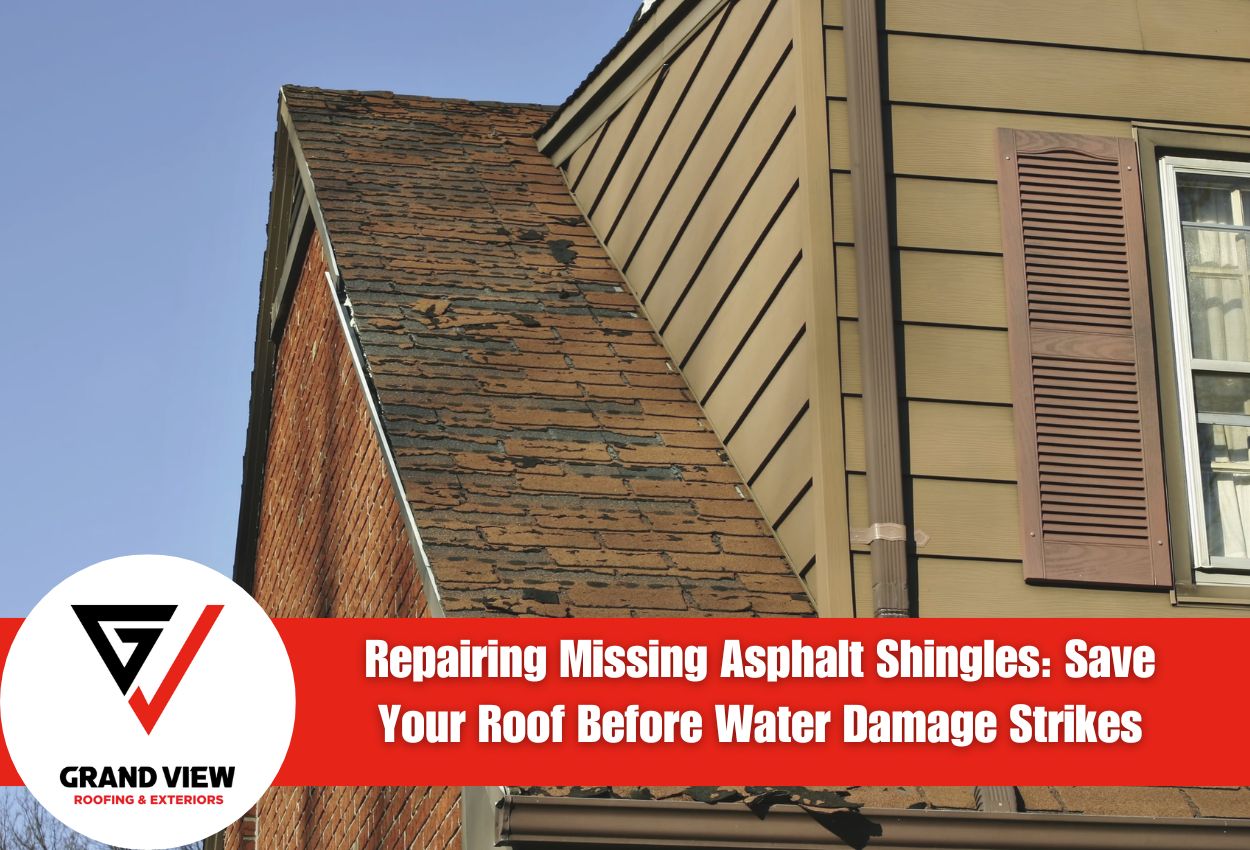 May 24, 2025Repairing Missing Asphalt Shingles: Save Your Roof Before Water Damage StrikesMissing shingles on your roof? Follow our step-by-step guide to DIY asphalt shingle repair or find out when it's time to call a pro.
Protect Your Home with Expert Roofing
Don’t wait for leaks or storm damage to cause costly repairs. Our experienced roofing team provides fast, reliable service, high-quality materials, and lasting results. Ensure your home stays safe, secure, and looking great—contact us today for a free estimate.