

 24/7 emergency services


 Call Us Today - (856) 305-9883


Ultimate Guide to Gutter Downspout Extensions: Protecting Your Home’s Foundation
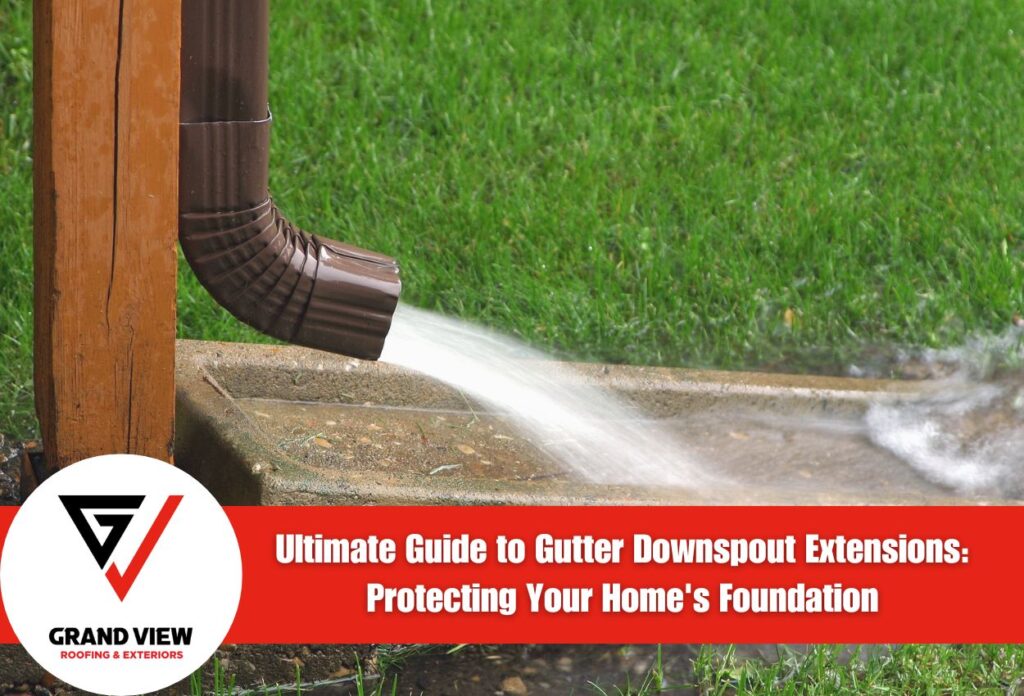

Water damage is one of the biggest threats to South Jersey homes, and it often begins with something as simple as improper gutter drainage. Gutter downspout extensions for drainage direct rainwater safely away from your foundation, preventing a cascade of serious structural problems before they start.
Without proper downspout drainage solutions, rainwater collects around your home’s perimeter, gradually compromising the foundation integrity. This excess moisture can lead to basement flooding, foundation cracks, mold growth, and landscape erosion — issues that can cost thousands in repairs.
Extending gutter downspouts is a relatively simple solution that delivers significant protection. These extensions connect to your existing downspouts, carrying water several feet away from your home rather than allowing it to pool at the foundation. Professional roofing contractors recommend that water should discharge at least 4 to 6 feet from your foundation to maintain proper gutter water discharge patterns.
Residential gutter drainage systems work as your home’s first line of defense against water damage. The right downspout extension system can protect your property through heavy rainstorms common to the South Jersey area, directing water to appropriate drainage areas instead of against vulnerable foundations.
Preventing foundation water damage with downspout extensions is one of the most cost-effective home maintenance investments available, safeguarding your property’s structural integrity for years to come.
Understanding Why Your Home Needs Effective Downspout Drainage
While rain gutters collect water from your roof, they become virtually useless without downspouts to carry that water away from your home. Experts generally recommend that water should be discharged at least 4 to 6 feet from your foundation to prevent moisture-related damage. Without this distance, water pools around your foundation, creating pressure against basement walls and potentially causing serious structural issues.
South Jersey homeowners experience frequent heavy downpours that can quickly overwhelm standard gutter systems. Additionally, many parts of South Jersey have clay-rich soils that don’t absorb water efficiently, increasing the risk of water accumulation around foundations.
These regional factors make extending gutter downspouts particularly important for local homes. Downspout drainage solutions prevent hydrostatic pressure from building against foundation walls while protecting landscaping from erosion. The right residential gutter drainage system diverts water to appropriate areas of your property or into municipal drainage systems.
Preventing foundation water damage with downspout extensions is especially critical during South Jersey’s rainy spring and fall when soil saturation levels are already high. By ensuring proper gutter water discharge, you protect not just your foundation but also your basement, crawlspace, and the overall structural integrity of your home.
Types of Downspout Extensions for Every Home
Finding the right downspout extension will match your home’s aesthetic while effectively managing water runoff. South Jersey homes feature diverse architectural styles, each benefiting from different extension options that complement their unique characteristics while providing proper gutter water discharge.
Roll-out extensions offer a practical solution for homeowners who value both function and convenience. These extensions automatically deploy during rainfall and retract when dry, preventing tripping hazards while efficiently directing water away from foundations. For homes with limited yard space, hinged extensions provide similar benefits by folding up against the house when not in use.
Flexible pipes can be used around landscaping features and customized to your property’s specific drainage patterns. These solutions work well for South Jersey properties with complex layouts or obstacles near the foundation. For a more permanent and invisible solution, underground drainage systems channel water through buried pipes, completely eliminating visible extensions while providing optimal drainage.
Homes with distinctive architectural styles can benefit from decorative options that enhance curb appeal while extending gutter downspouts. From copper chains for historic homes to stylized concrete spillways for modern designs, these options transform necessary drainage features into feature elements. The ideal residential drainage system balances effectiveness with curb appeal.
DIY Installation Guide for Gutter Extensions
Installing your own downspout extensions can be a satisfying weekend project that delivers significant protection for your home. With the right approach, you can effectively direct rainwater away from your foundation without professional assistance. Before beginning, you will need tools, including a measuring tape, hacksaw, screwdriver, drill, and waterproof sealant. Safety equipment like gloves and eye protection is also recommended.
Start by measuring the distance from your existing downspout to where water should discharge, ideally at least 4 feet from your foundation. When selecting extensions, consider your home’s specific needs and the annual rainfall typical for South Jersey. Vinyl and aluminum extensions offer durability against our region’s weather conditions.
When determining optimal discharge locations, avoid directing water toward neighboring properties or creating pooling areas. Instead, guide water to natural drainage paths or rain gardens. Work around obstacles by using flexible extensions that can navigate patios and walkways, or consider installing underground drain pipes beneath these features.
Common installation mistakes include insufficient slope (aim for ¼ ¼-inch drop per foot of extension), failing to secure connections properly, and directing water toward the foundation. During South Jersey’s heavy downpours, poorly secured extensions can disconnect, rendering them ineffective when needed most. Remember that the strategic placement of downspout extensions protects not just your foundation but also preserves landscaping and prevents erosion around your property.
Advanced Drainage Solutions for Persistent Water Problems
For South Jersey homes with challenging water management issues, standard downspout extensions may not be enough. Integrated drainage systems offer comprehensive solutions by combining multiple water management strategies that work together to protect your property from even the most persistent moisture problems.
These sophisticated systems connect downspout extensions to French drains that collect surface water and channel it away from foundations. When combined with dry wells, these systems can store excess water underground until it gradually seeps into the surrounding soil. For environmentally conscious homeowners, integrating rain gardens at discharge points not only manages water effectively but also creates attractive landscape features that support local pollinators.
South Jersey’s seasonal weather patterns require special consideration when designing advanced drainage solutions. Winter freeze protection is essential, as improperly installed extensions can collect water that freezes and causes backups or damage to gutters. Sloped extensions with proper drainage points prevent ice dams and protect your roofing system during freeze-thaw cycles.
Summer thunderstorms present different challenges, with intense rainfall overwhelming basic systems. Enhanced solutions featuring wider channels, multiple discharge points, and overflow protection ensure your home remains protected during sudden downpours. These comprehensive drainage systems represent a significant upgrade from basic downspout extensions, providing year-round protection against the weather South Jersey residents face throughout the seasons.
How to Maintain Your Downspout Extension System
Ensuring your downspout extension system continues to protect your home requires regular maintenance throughout the year. South Jersey’s weather patterns, from summer thunderstorms to winter freezes, can impact even the best drainage systems over time. A proactive approach to maintenance can prevent foundation issues down the road.
Seasonal maintenance should begin each spring by clearing debris from gutters and downspouts that accumulated during winter. Check all connection points between downspouts and extensions to make sure they remain securely fastened. Look for cracks or damage that may have developed during freeze-thaw cycles. As summer approaches, verify that extensions maintain proper slope for efficient water flow away from your foundation.
When troubleshooting common problems, address clogs immediately by flushing the system with a garden hose. If water backs up, the clog may be located at connection points or within the extension itself. For extensions that frequently disconnect during heavy rainfall, consider installing additional brackets or upgrading to more secure connection systems. When water pools near your foundation despite extensions, reassess the length and slope — you may need longer extensions to achieve proper gutter water discharge.
After heavy storms, inspect your residential gutter drainage system for signs of overflow or bypass. Adjustments to your downspouts may be necessary as landscapes mature and settling occurs around your property. With seasonal maintenance, your gutter downspout extensions for drainage will continue protecting your home’s foundation for years to come.
When to Call a Professional Roofing Contractor for Drainage Solutions
While DIY downspout extensions work well for many situations, certain warning signs indicate it’s time to call a professional roofing contractor. If you notice persistent dampness in your basement or crawlspace despite having basic extensions installed, this suggests your current drainage system isn’t adequately protecting your foundation. Cracks appearing in foundation walls, water pooling that doesn’t dissipate within 24 hours after rainfall, or erosion channels forming in your yard are all red flags requiring expert assessment.
South Jersey roofing contractors offer specialized solutions for homes with complex drainage challenges. These professionals can design custom drainage systems that address property characteristics like steep slopes, clay soils, or high water tables common in our region. Professional solutions might include engineered French drain systems, underground drainage pipes, or strategic landscaping modifications that work with your gutter system.
For homes with serious water management issues, professionals can install complete drainage systems that integrate with your existing gutters and downspouts. These solutions often include waterproofing services, foundation assessments, and recommendations for upgrades based on your specific property conditions. Professional installation ensures water is discharged at the right distance and angle, creating pathways that direct water away from the foundation and preserving your landscaping.
When selecting a contractor for downspout drainage solutions, choose experienced professionals familiar with South Jersey’s drainage challenges and building codes to ensure your system provides lasting protection for your home.
Expert Downspout Extension Installation by Grand View Roofing & Exteriors
Are you struggling with ineffective water drainage that threatens your home’s foundation? Grand View Roofing & Exteriors installs gutter downspout extensions for drainage tailored to address and prevent foundation water damage. Our solutions are designed to seamlessly integrate with your existing gutter system, ensuring that rainwater is redirected far from your home’s foundation, safeguarding against erosion and basement flooding.
Don’t let water damage compromise the integrity of your home. Extend the life of your foundation with professional downspout extensions. For a consultation and to learn more about how we can protect your property, call us today at (856) 305-9883. Let Grand View Roofing & Exteriors provide you with a robust and effective drainage solution that stands the test of time.