

 24/7 emergency services


 Call Us Today - (856) 305-9883



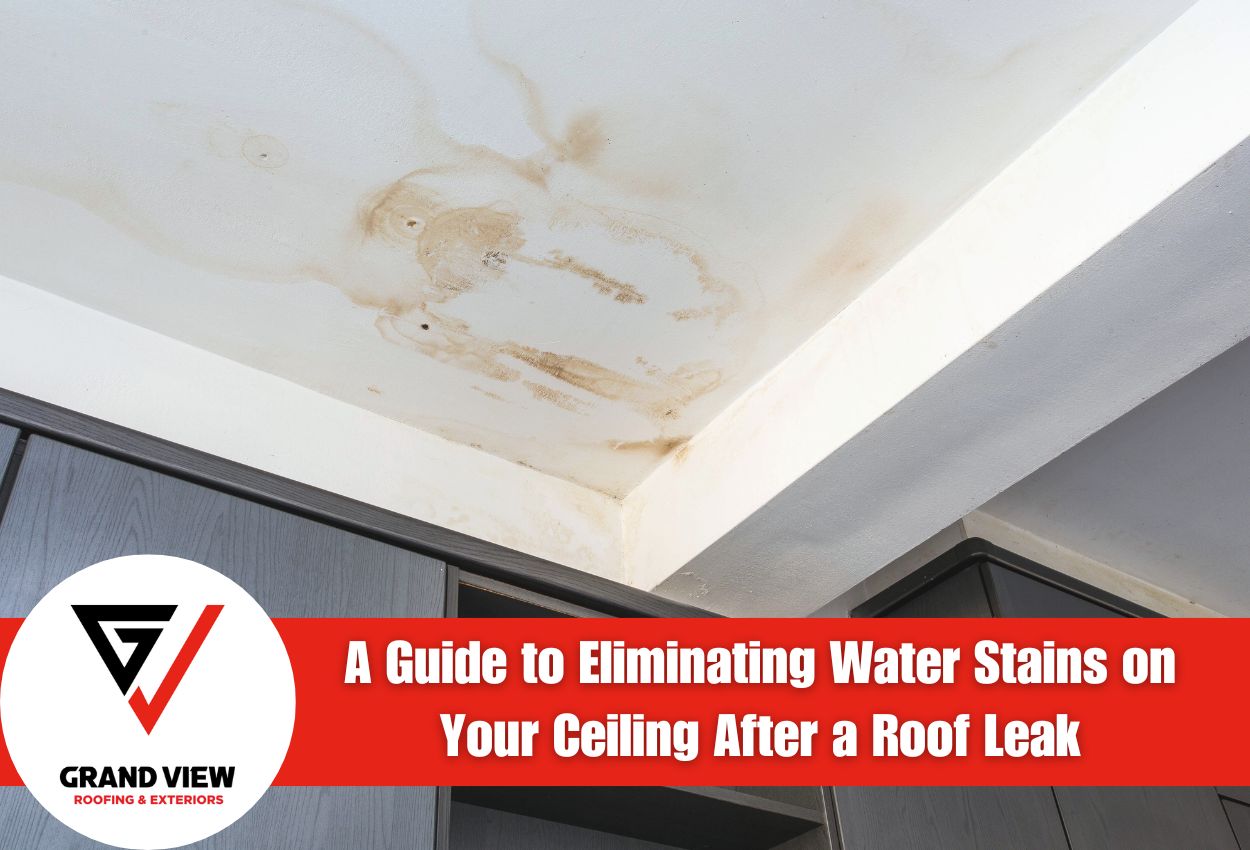
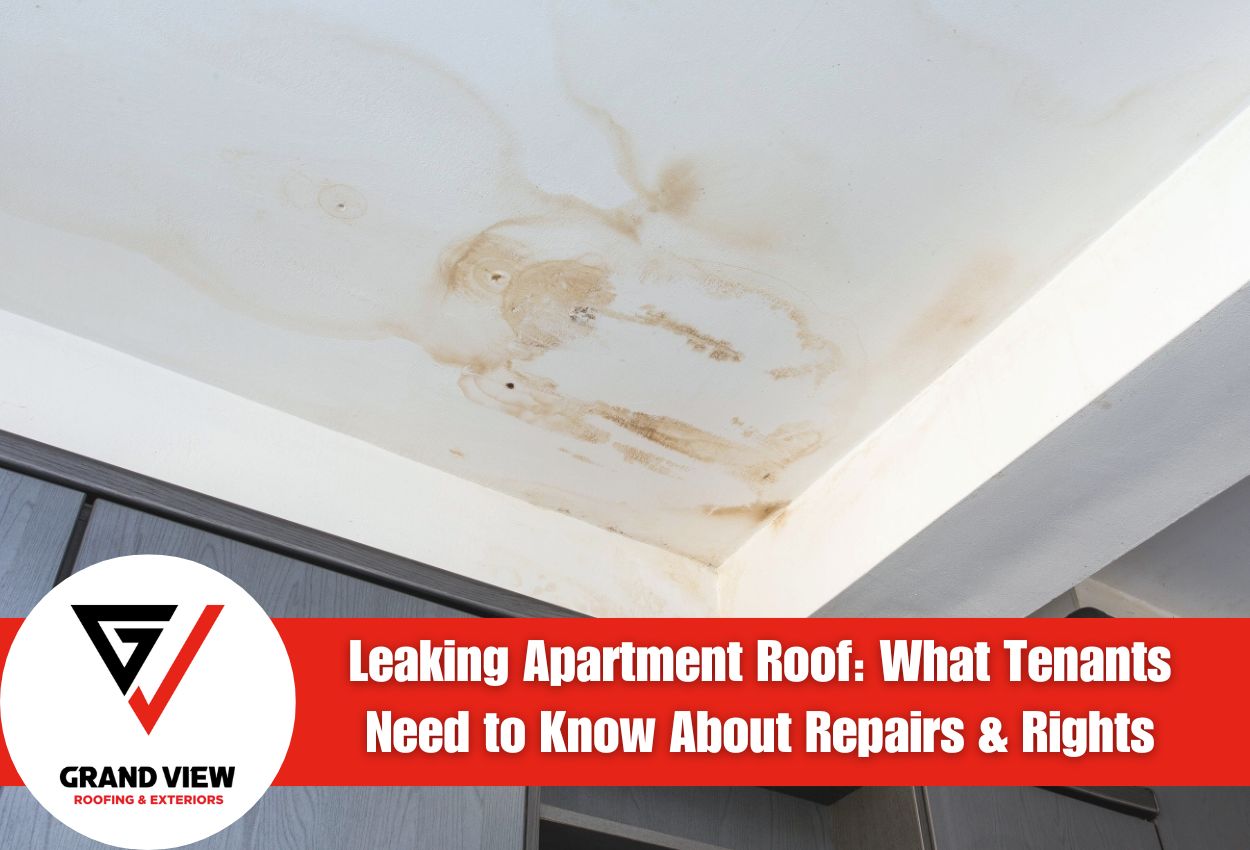
Water staining on your ceiling often doesn’t mark the actual leak source, as water can travel 1 to 10 feet or more horizontally along joists, membrane layers, or insulation before it drips down and becomes visible. That gap between where water enters and where it shows up is what makes apartment roof leaks so hard to trace.
In South Jersey, the problem gets worse during summer. The region’s humid climate keeps moisture high through the warm months, and August regularly ranks among the wettest months of the year. That combination speeds up interior staining and slows drying times in multifamily buildings, meaning a small entry point can stain a large area faster than you might expect.
Before calling your landlord, determine whether a leak is a roof or building issue versus a plumbing leak from the unit above, and gather all supporting evidence.
Is the Leak From the Roof or the Unit Above?
Leaks in South Jersey apartment buildings most often begin at parapet walls, roof drains, HVAC curb flashing, or low-slope membrane seams.
Signs the Leak Is Coming From the Roof
- Leak appears within hours of rainfall: If water shows up shortly after rain starts, that timing strongly points to a roofing or exterior source rather than a plumbing issue.
- Staining near exterior walls or below rooftop equipment: Ceiling stains that form directly below HVAC units, vents, or parapet walls are a common sign of flashing failure or membrane seam separation.
- Leak gets worse during high-wind storms: Wind forces water horizontally into roof edges, transition points, and equipment curbs, areas that stay dry in calm rain but fail under storm pressure.
- Water tracks along the ceiling slope: If the stain trails across the ceiling rather than forming a single spot, water is likely traveling along a roof deck or joist before dripping down.
- Stain reappears with the first heavy spring rains after winter: South Jersey’s winter brings repeated freeze-thaw cycles. Those cycles open flashing gaps that allow water in during spring rains, creating stains that seem disconnected from any storm.
Signs the Leak Is Coming From the Unit Above
- Leak appears after several dry days: Water dripping when it hasn’t rained for 3 days or more points toward plumbing, condensation, or HVAC condensate rather than the roof. It isn’t conclusive, though, because ponded water or a blistered membrane can release water well after a storm.
- Stain sits below a bathroom or kitchen overhead: Toilets, showers, dishwashers, and sinks in the unit above are common sources of slow drips that soak through the floor.
- Smell of waste or soap is present: A sewer or soap odor near the stain usually points to a drain line leak rather than rainwater.
- Landlord confirms no roof openings above that area: If there are no vents, drains, or equipment within several feet of the stain, the source is more likely internal.
The most reliable single indicator is timing. A leak that appears within about 24 hours of rainfall, especially near exterior walls or rooftop equipment, usually starts at the roof, not the unit above. Document the weather conditions, the time the leak appeared, and photos of the stain’s location before contacting your landlord or building manager.
How Do You Trace a Roof Leak to Its Source in an Apartment Building?
Tracing an apartment roof leak requires working backward from the visible stain to determine where the leak originates. Because water can travel along beams and membrane layers before dripping through your ceiling, follow these steps to accurately map and document the leak source for your landlord:
Step 1. Document the stain with measurements: Measure the stain’s center from two fixed reference points, such as a wall and a door. Write the numbers down. This measurement lets a roofer find the corresponding area above your unit.
Step 2. Cross-reference against a floor plan: Check whether the stain falls directly below a roof opening, parapet wall, drain, or HVAC unit. Request a building floor plan from your landlord if you do not have one, or ask your building manager which roof features sit directly above your unit.
Step 3. Record the timing: Note how many hours passed between rainfall and when the leak appeared. A leak showing up 6 to 24 hours after rain suggests slow membrane leakage rather than a direct hole or an open seam.
Step 4. Inspect any accessible attic or crawl space: If the building has an accessible space above your unit, look for water trails, staining on joists, or wet insulation. Water can travel 1 to 10 feet or more from its entry point before appearing below.
Step 5. Photograph the stain right after rain, then 24 and 48 hours later: Three timed photos show whether the stain is growing, shrinking, or staying the same. This evidence supports your report to the landlord.
A leak that appears 4 to 24 hours after rain often points to HVAC curb flashing or slow membrane leakage, though other areas can show a similar delay, so a roofer needs to confirm the source. Bring these measurements, photos, and timing notes to your landlord in writing so the right area gets inspected from the start.
Why Is There a Water Stain on Your Apartment Ceiling When It Hasn’t Rained?
A stain that appears during dry weather most often comes from one of five sources, and knowing which one determines how fast you need to act:
- Condensation on cold pipes: Cold supply lines sweat when indoor humidity is high. This is a common cause of ceiling stains in South Jersey during the summer, when humidity regularly stays elevated for days at a time.
- Slow drip from a plumbing fixture in the unit above: A toilet seal, supply line, or drain connection can drip slowly enough that water takes 3 to 7 days to soak through the floor and appear on your ceiling.
- HVAC condensate drain overflow: When a condensate drain line clogs, water backs up and spills. The resulting stain typically forms within 2 to 6 feet of the ceiling air handler, not near any wall or exterior surface.
- Roof membrane blistering releasing trapped moisture: A blistered membrane section can hold moisture from a storm that occurred weeks earlier. When that blister finally breaks or shifts, it releases water that shows up on your ceiling long after any storm.
- Old stain reactivated by humidity: Older dried stains can darken and look wet again when humidity is high, which is common across South Jersey from June through September.
The fastest way to tell an active leak from a dormant stain is to press gently on the ceiling. An active leak feels damp or soft, and the ceiling material moves slightly under light pressure, while a dormant stain feels firm and dry with no change over 48 to 72 hours. Before calling your landlord, confirm whether the stain is active with a moisture meter (pin-type meters give the most reliable drywall readings). If the meter has a drywall setting, readings above roughly 1% indicate wet drywall. On wood-equivalent or relative scales, compare with a dry reference spot on the same ceiling; a reading that is clearly higher than that baseline, generally above about 17 to 20 on a wood-equivalent scale, points to active moisture.
How Can You Tell If a Roof Leak Is the Landlord’s Responsibility, and What If They Won’t Fix It?
In New Jersey, landlords must keep a rental unit habitable, and in buildings with three or more units, state maintenance rules require roofs to be kept in repair so water doesn’t enter the building. Landlords must fix problems within a reasonable time after written notice, and an active leak that is letting water into your unit should be treated as urgent.
Submit the maintenance request in writing, not just verbally. An email, certified letter, or dated text message creates a traceable record. Photograph the leak every 24 to 48 hours during active rainfall. State guidance says written notice should be given before pursuing remedies like repair-and-deduct or rent withholding (certified mail with a return receipt is best). Keep a copy of everything you send and receive.
If the leak isn’t fixed within a reasonable time, you can file a complaint with the housing inspectors. In buildings with three or more units, that’s the state’s Bureau of Housing Inspection, which can inspect the building and order repairs. For one or two-unit rentals, contact your local housing or code enforcement office instead. If the leak has caused mold or damage to the ceiling, mention it in your complaint, since inspectors can prioritize hazardous conditions.
Permit rules also matter. Under New Jersey’s Uniform Construction Code, larger roof repairs and replacements on multifamily buildings generally require a permit from the local construction office. Small repairs, which many local offices treat as ordinary maintenance when they affect no more than 25% of the roof in a 12-month period, may not require a permit. Requirements vary by project size and municipality, so you can call your local construction office to ask. If a landlord appears to be doing major roof work without a permit, that is worth including in your complaint.
Apartment Roof Leak Repair Costs
Addressing a roof leak quickly helps prevent repair costs from growing. The following table outlines three typical multifamily leak situations, comparing early repair estimates against delayed costs after interior damage:
| Leak Scenario | Estimated Early Repair Cost | Estimated Delayed Repair Cost (After Interior Damage) |
|---|---|---|
| Parapet flashing repair | $500 to $1,500 | $2,500 to $6,000 |
| Low-slope membrane patch | $300 to $1,000 | $1,800 to $4,500 |
| Roof drain reseal | $300 to $1,200 | $2,000 to $6,000 |
Who actually pays depends on where the leak starts. If the source is confirmed as the building’s roof, the landlord is responsible for handling any repair costs. If the leak traces back to a plumbing fixture in the unit above, responsibility may shift to that tenant’s renter’s insurance or the landlord depending on negligence, which is exactly why identifying the source matters financially for everyone involved.
The presence of mold makes addressing the situation even more important. In South Jersey’s summer humidity, mold can begin developing within 24 to 48 hours of a leak. A professional mold treatment for a single room typically costs $1,500 to $4,500, depending on the size of the affected area. Renters who document a leak quickly and submit a written repair request protect themselves from being held responsible for damage that started at the roof.
Schedule a Professional Roof Inspection in South Jersey and Stop Guessing
A stain on the ceiling only tells you where water showed up, not where it got in. A professional leak inspection traces the water back to its actual entry point, whether that’s the membrane, flashing, a drain, or a rooftop unit, so the repair fixes the problem the first time instead of patching the wrong spot.
Grand View Roofing & Exteriors works on multifamily buildings across South Jersey, including older low-slope membrane roofs, parapet walls, and HVAC curbs. If you’re a property manager or owner, we’ll document what we find and give you a clear repair plan. Contact the team for a professional roof inspection today to determine the source of any leaks in your apartment building.
Not ready to schedule? Learn more about apartment roof leak inspections and repairs.