





 24/7 emergency services


 Call Us Today - (856) 305-9883


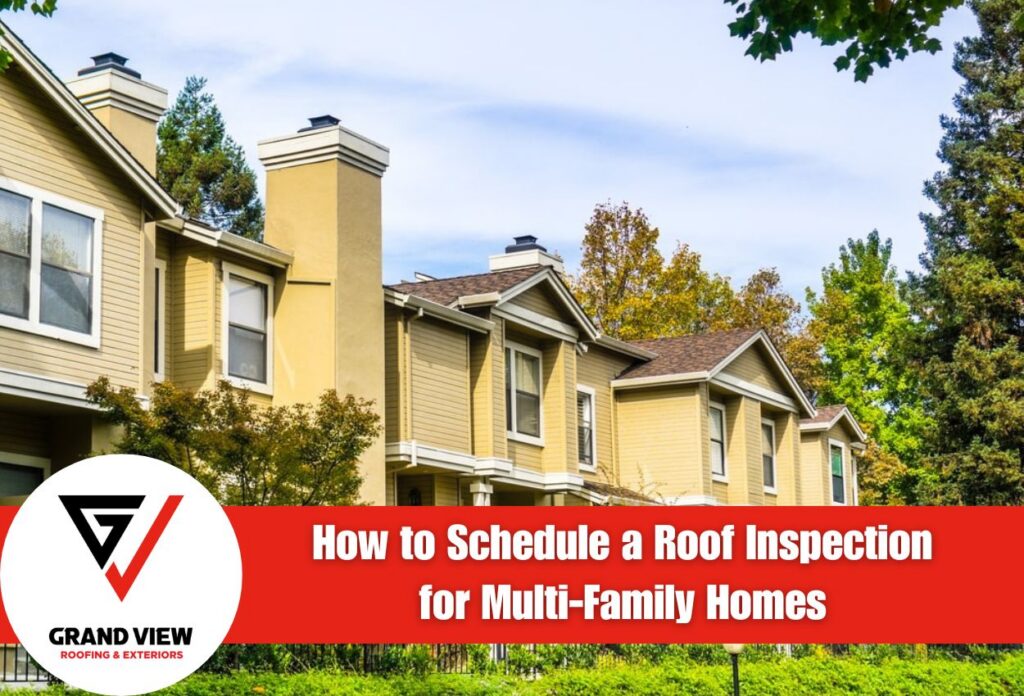

A roof inspection for a multi-family building in South Jersey takes 2 to 4 hours compared to 45 to 90 minutes for a single-family home because inspectors must coordinate access across 4 to 20+ units and evaluate multiple roof sections, drainage systems, and entry points. The larger the property, the more moving parts are involved before anyone even sets foot on the roof.
New Jersey’s Bureau of Housing Inspection requires cyclical inspections for multiple dwellings of three or more units on a tiered schedule. Every 7 years for buildings with strong compliance records, every 5 years for middle-tier buildings, and every 2 years for those with unresolved violations. That regulatory baseline means South Jersey property managers are not just scheduling a routine checkup: they are working within a documented compliance timeline that affects how, when, and how often inspections happen.
*Please note, price ranges listed in this article may not reflect the final cost of your project. Prices are subject to change based on various factors such as local labor rates, material quality, and more. All costs established in this article are rough estimates based on average industry rates.
How Often Should Apartment Roofs Be Inspected and What Triggers an Unscheduled Visit?
Most roofing professionals recommend getting an inspection twice a year, once in spring and once in fall, for multi-family properties, which goes well beyond New Jersey’s state inspection cycle, which ranges from 2 to 7 years depending on a property’s compliance history, and covers the full building and does not focus on the roof specifically. It does not replace proactive maintenance inspections, and relying on it alone can leave drainage problems, membrane failures, and flashing wear undetected for years.
Certain events require an unscheduled inspection regardless of where a property sits in its routine schedule:
- Wind storm exceeding 50 mph: Nor’easters and coastal storms in South Jersey regularly hit this threshold, creating conditions for shingle uplift, flashing separation, and debris damage.
- Hail with a stone diameter of 1 inch or larger: Stones at this size can crack or bruise shingles and puncture flat membrane systems, with damage that often does not show up immediately from the ground.
- Tenant-reported water intrusion: Any visible interior leak or ceiling staining reported by residents should trigger a roof inspection within 48 hours.
- Roof age exceeding 15 years for shingle systems or 10 years for flat membrane systems: Older roofs are far more likely to show hidden failures after any storm.
South Jersey’s late-summer and early-fall weather patterns can deliver 4 to 6 inches of rain in short windows, putting flat and low-slope roofs at high risk for ponding and drainage failure. Post-storm inspections during this period are especially important for apartment complexes and garden-style buildings where water has nowhere to go quickly. Grand View Roofing & Exteriors handles post-storm roof damage assessments across South Jersey for exactly these situations.
When Is the Best Time of Year to Schedule a Roof Inspection for Multi-Family Properties in South Jersey?
Spring (April to May) and fall (September to October) are the two best windows for scheduling roof inspections on multi-family properties in South Jersey. Flat roof membrane surfaces can reach 150 degrees to 180 degrees Fahrenheit during South Jersey summers, making safe access and accurate readings nearly impossible. Winters bring an average of 20 to 30 freeze-thaw temperature changes throughout the year, most concentrated in December through February, which limit safe roof access and can hide defects under ice or moisture.
| Inspection Criteria | Spring (April to May) | Fall (September to October) |
|---|---|---|
| Typical roof surface conditions | Cool to warm: 50 degrees to 70 degrees surface temps: membranes accessible and stable | Warm to cooling: residual summer heat, UV, and salt-filled air damage are fully visible |
| Primary defects found | Winter damage: cracked flashing, lifted shingles, ponding from snowmelt | Summer damage: granule loss, membrane seam wear, corrosion on metal components |
| Scheduling availability | High: contractor demand is lower before the peak summer season | Moderate: demand rises after late-summer storms |
| Insurance and storm relevance | Good baseline before hurricane and heavy-rain season begins | Best for documenting storm damage before filing end-of-season insurance claims |
For coastal and bay-adjacent South Jersey properties, fall is the stronger choice of the two windows. Salty air and elevated wind exposure accelerate corrosion of metal flashing and fasteners all year, and a fall inspection catches that accumulated summer UV and salty air damage before winter stress adds to it. Properties within a few miles of the Atlantic Ocean or Delaware Bay should treat the fall inspection window as non-negotiable. Scheduling with a contractor like Grand View Roofing & Exteriors before October ends keeps repair work ahead of freezing temperatures and the tighter contractor availability that comes with winter storm season.
Who Is Responsible for Roof Inspections in Multi-Family Housing and How Should Access Be Coordinated?
Responsibility depends on the property type: building owners and property managers are responsible for rental apartment complexes, duplexes, and triplexes, while condominium associations carry that responsibility for shared roofs in condo buildings. New Jersey condo law treats roofs as common elements in most standard declarations, placing inspection costs on the association budget.
- Notify tenants in writing 48 to 72 hours in advance: Standard NJ landlord-tenant guidance and most lease agreements require advance written notice before any vendor enters the property. Do this before scheduling, not after.
- Identify all interior access points: Multi-unit buildings often require an attic hatch or unit-level entry for moisture checks. Map these before the inspector arrives to avoid delays across 4 to 20+ units.
- Confirm inspector credentials: New Jersey does not independently license roof inspectors. Look for HAAG-certified, RRC, or NRCA-member inspectors to ensure the assessment meets a recognized professional standard.
- Designate one on-site contact: A single property manager or maintenance lead should accompany the inspector throughout the visit. This prevents miscommunication and keeps the inspection moving across multiple building entries.
- Document findings unit by unit with photos: Each building entry and roof section should have its own photo record. This protects owners during insurance claims and future compliance reviews.
Buildings covered under New Jersey’s Bureau of Housing Inspection may already have scheduled 5-year state inspection visits on record. Property managers should request prior inspection reports before scheduling a new assessment. Recurring roof-related findings across past inspection cycles can focus the inspector’s attention and prevent duplicate documentation work. Grand View Roofing & Exteriors can work directly with property managers to coordinate access and documentation across South Jersey multi-family roofing projects.
What Does a Multi-Family Property Roof Inspection Checklist Cover?
A thorough multi-family roof inspection covers two separate checklists, one for steep-slope asphalt shingle roofs and one for flat or low-slope membrane systems, plus a shared set of interior and attic items that apply to both types of roofs.
Steep-Slope Asphalt Shingle Roofs
- Granule loss on shingle surfaces: Bare patches or granule buildup in gutters signal surface wear. Widespread granule loss often means the shingles have fewer than 3 to 5 years of protection remaining.
- Wind uplift at edges and ridges: Lifted, curled, or missing shingles at roof edges and ridge lines point to fastener failure or improper installation, both common after South Jersey nor’easters and high winds exceeding 50 mph.
- The flashing’s structural integrity at chimneys and gaps: Inspectors check for separation, rust, or gaps at every metal flashing joint. Even a 1/4-inch gap at a chimney base can allow water to reach the roof deck.
- Gutter attachment and drainage: Loose gutter spikes, sagging sections, or blocked downspouts restrict drainage. During South Jersey’s late-summer rain, which can deliver 4 to 6 inches in short windows, a clogged gutter system puts the roof edge and fascia boards at immediate risk.
Flat and Low-Slope Membrane Roofs (EPDM, TPO & Modified Bitumen)
- The seam’s structural integrity across the full membrane surface: Open or lifted seams are the most common failure point on flat roofs. Inspectors probe seams by hand and flag any separation wider than a credit card thickness.
- Ponding water evidence: Standing water visible 48 hours or more after rain indicates a drainage or slope defect. This is not a cosmetic issue. Uncorrected ponding accelerates membrane breakdown and adds structural pressure.
- Membrane blistering and surface bubbling: Blisters form when moisture or air becomes trapped beneath the membrane. Large or clustered blisters signal a failing bond that can split under foot traffic or heat stress.
- Perimeter flashing and drain or scupper condition: Inspectors check for pulled-away termination bars, rusted scuppers, and debris-blocked drains, all common in South Jersey coastal and bay-adjacent buildings exposed to salt-laden air year-round.
Interior and Attic Items
- Moisture staining on roof decking and insulation: Dark staining or soft spots on the roof deck is direct evidence of past or active leaks. Wet insulation loses R-value fast, adding to higher energy costs alongside the cost of the repair.
- Daylight visible through the roof deck: Any light visible from the attic floor means there is a gap in the roof assembly; this requires immediate attention, not a watch-and-wait approach.
- Ventilation adequacy: Inadequate attic ventilation is a leading cause of premature shingle failure, cutting asphalt shingle lifespan by 3 to 5 years. Inspectors check that intake and exhaust venting meet balanced airflow standards for each building’s attic area, a concern addressed directly through residential roof ventilation services.
- Drone or aerial photo documentation: For multi-building complexes, drone documentation reduces inspector roof-walk time on large flat roofs and produces time-stamped visual records that support insurance claims and long-term capital planning. It is increasingly standard practice on South Jersey apartment and garden-style properties.
Covering all three areas, steep-slope, membrane, and interior, on a single inspection visit prevents the most common oversight in multi-family roof management: finding exterior damage while missing the attic and interior signs that have been building for months.
What Does a Roof Inspection Cost for Multi-Family Buildings and How Does It Compare to Deferred Repair Costs?
A standard professional roof inspection for a smaller multi-family building in South Jersey typically runs $300 to $600, while a full roof replacement can cost $6 to $14 per square foot, depending on the system, making a routine inspection one of the lowest-cost risk-reduction measures available to property owners.
| Service Type | Typical Cost Range | Notes |
|---|---|---|
| Standard professional inspection (smaller multi-family) | $300 to $600 per building | Covers steep-slope and low-slope systems: includes a written report |
| Drone-assisted inspection (larger complexes) | $500 to $900 per building | Time-stamped aerial documentation reduces roof-walk time on large flat roofs |
| Post-storm or insurance-required inspection | $400 to $700 per building | Often required by South Jersey carriers for older flat-roof properties |
| Full roof replacement asphalt shingle | $6 to $10 per sq ft | Common on smaller South Jersey multi-family buildings |
| Full roof replacement TPO or EPDM membrane | $8 to $14 per sq ft | Standard flat-roofing systems on garden-style and coastal properties |
Catching a failed membrane seam or blocked drain early costs $300 to $800 to repair. Letting the same defect go unaddressed, allowing water intrusion to damage insulation, roof decking, and interior finishes across one or more units, pushes remediation costs to $5,000 to $25,000 or more. That gap makes routine inspection a risk-management expenditure, not a discretionary one. Some South Jersey property insurance carriers also require documented annual or biannual inspection records as a condition of coverage on older flat-roof buildings. Missing those records can result in denied water-intrusion claims, regardless of who caused the damage.
Ready to Schedule a Roof Inspection for Your Multi-Family Property in South Jersey?
Catching a failed membrane seam or blocked drain early costs $300 to $800 to repair: waiting can push that figure to $5,000 to $25,000 or more. Spring and fall inspection windows in South Jersey fill fast, and getting on the schedule before peak season means avoiding the delays that leave roofs unassessed heading into heavy rain months or winter temperature changes.
Grand View Roofing & Exteriors works with property managers, building owners, and HOA representatives across South Jersey on multi-family roof inspections for both steep-slope shingle roofs and flat or low-slope membrane systems. Booking now rather than after the first sign of water intrusion is the most direct way to protect your building, your tenants, and your insurance documentation.
Schedule your free roof inspection.
Not ready to schedule? Learn more about our roof inspections.
Frequently Asked Questions
Got questions about your roof? We’ve got answers. From maintenance tips to insurance claims and repair timelines, our FAQ section covers the most common concerns homeowners have. Get informed and make confident decisions about protecting your home.
People Also Ask
Can a roof inspection for a multi-family property in South Jersey be completed in phases across multiple visits?
Yes, larger complexes with multiple buildings or wings are often inspected in separate visits, especially when tenant coordination across 10 or more units makes single-day access impractical. Phased inspections still produce a unified report and are common for garden-style apartment properties spread across a larger footprint.
Does New Jersey require a roofing permit before a contractor can make repairs identified during a multi-family roof inspection?
Permit requirements depend on the scale of work. The New Jersey Uniform Construction Code generally requires permits for reroofing and structural repairs, with local construction offices handling review. Minor repairs like flashing patches or sealant work typically fall below the permit threshold, but property managers should confirm with their municipality before scheduling any post-inspection repair work.
Are there specific insurance documentation requirements South Jersey property owners should know before scheduling a multi-family roof inspection?
Some carriers require inspection reports to reference the roofing system type, approximate age, and drainage condition, not just a general pass or fail notation. Requesting a written report that identifies membrane type, flashing material, and any drainage findings by building section gives insurers the detail they typically need for coverage decisions on older flat-roof properties.
Related Articles
-
 July 14, 2026Everything You Need to Know About A Commercial Roof Repair in South JerseyCan your South Jersey commercial roof handle coastal weather? Learn repair costs and warning signs.
 -
 December 21, 2025How Long Does a Roof Inspection Take? A Homeowner’s GuideHow long does a roof inspection take? Learn typical timeframes and what factors affect the process.
 -
 June 4, 2026Asphalt Shingle Roofing in NJ: Types, Costs & LifespanCompare asphalt shingle types, costs, and lifespan, then get your free South Jersey estimate today.
Protect Your Home with Expert Roofing
Don’t wait for leaks or storm damage to cause costly repairs. Our experienced roofing team provides fast, reliable service, high-quality materials, and lasting results. Ensure your home stays safe, secure, and looking great—contact us today for a free estimate.