





 24/7 emergency services

 Call Us Today - (856) 305-9883


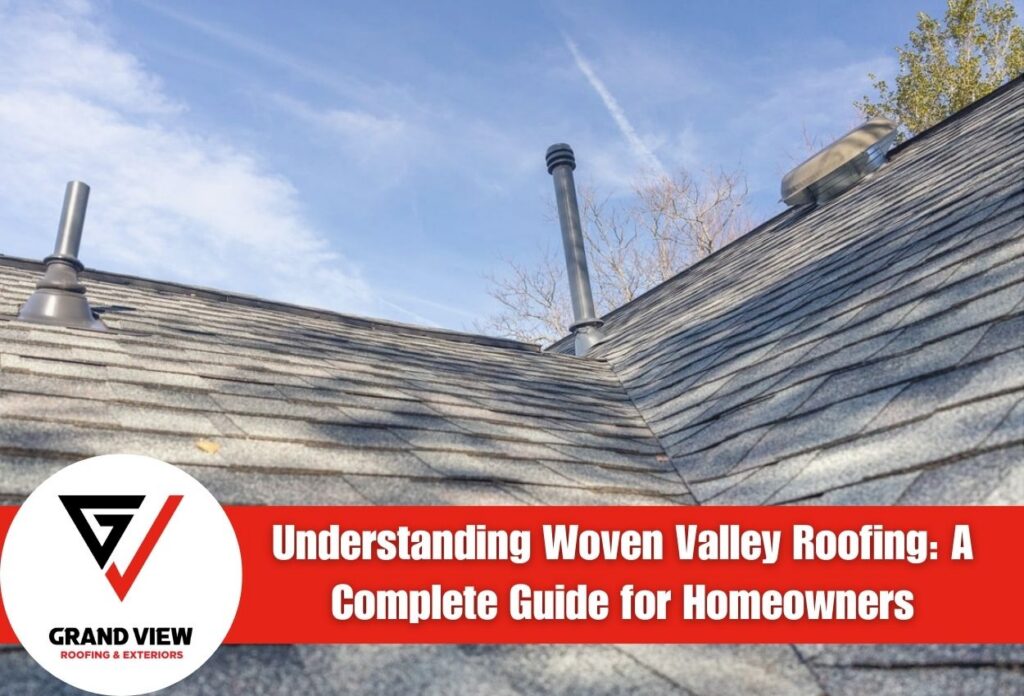

A woven valley on a roof represents a specialized roofing technique where shingles from two intersecting roof planes are carefully interlaced together without the use of metal flashing. This woven shingle valley construction creates a seamless appearance while directing water away from the roof intersection, making it one of several roof valley types available to homeowners.
The woven valley roofing method stands out among valley flashing alternatives because it eliminates the visible metal strips typically found in other roof valley installation techniques. Instead of relying on exposed flashing, this approach weaves alternating courses of shingles from each roof plane across the valley, creating an integrated water drainage system that blends naturally with the overall roof design.
Understanding what a woven valley on a roof becomes is particularly important when considering roofing options that prioritize both functionality and looks. This technique offers homeowners a way to maintain a consistent visual appeal across the surface of their roof while ensuring proper water management at critical intersection points where two roof planes meet.
How Woven Valleys Differ from Other Roof Valley Systems
Understanding the differences between woven valleys and other roof valley types helps homeowners make informed decisions about their roofing systems. Unlike closed cut valleys, where shingles from one roof plane are trimmed in a straight line, and the other plane’s shingles overlap them, the woven valley roofing method alternates shingle courses from both planes across the entire valley intersection. This creates a more integrated appearance without visible cut lines.
Open metal valleys represent another distinct approach among valley flashing alternatives, utilizing exposed metal flashing strips that channel water down the valley. While these systems rely on metal materials for weather protection, woven shingle valley construction depends entirely on overlapping shingles to provide water resistance. This fundamental difference in roof valley installation techniques affects both the visual outcome and maintenance requirements of the roofing system.
The choice between these different approaches often depends on roof pitch, shingle type, and appearance preferences, making it essential to understand what a woven valley on a roof is compared to these other established methods.
Construction Process for Woven Shingle Valleys
Proper preparation forms the foundation of successful woven shingle valley construction. The roof deck must be structurally sound and properly aligned before beginning any roof valley installation techniques. Ice and water shield underlayment is typically installed centered in the valley with a total width of at least 36 inches, providing a waterproof barrier beneath the shingles. Valley alignment requires careful measurement to ensure both roof planes meet at the correct angle for the best possible water flow.
The woven valley roofing method begins with installing starter courses on both intersecting roof planes simultaneously. Shingles are then alternately woven across the valley line, with each course extending several inches beyond the valley centerline onto the opposing plane, following manufacturer guidance for the specific shingle type and slope. This overlapping pattern continues up the valley, creating the characteristic interlaced appearance that distinguishes this technique from other valley flashing alternatives.
Nailing patterns require special attention during woven shingle valley construction. Fasteners must be placed at least 6 inches from the valley centerline to prevent leaks while ensuring adequate holding power. Understanding what a woven valley on a roof includes recognizing these important installation details that separate successful projects from potential failure points in roof valley types.
Key Advantages of Choosing Woven Valley Installation
The appearance benefits of woven shingle valley construction create a distinctive advantage for homeowners seeking a seamless roofline appearance. This woven valley roofing method eliminates the visual interruption of exposed metal flashing strips, allowing shingle patterns to flow continuously across roof plane intersections. The interlaced design maintains consistent color and texture throughout the valley area, creating an integrated look that enhances overall curb appeal compared to other roof valley types.
Weather resistance represents another significant advantage when considering a woven valley on a roof for your home. The continuous shingle coverage across valley areas reduces potential leak points by eliminating exposed metal edges that can lift or separate over time. This valley flashing alternative provides enhanced wind uplift resistance since overlapping shingles create multiple layers of protection rather than relying on single metal strips that may experience thermal expansion and contraction.
Potential Drawbacks and Limitations to Consider
Installation complexity presents the most significant challenge with woven shingle valley construction, requiring considerably more skill and precision than other roof valley installation techniques. Contractors must carefully coordinate shingle courses from both roof planes while maintaining proper overlap patterns and water-shedding angles. This woven valley roofing method requires experienced roofers who understand the intricate weaving process, as improper installation can create leak points that compromise the entire system.
The increased labor time associated with this valley flashing alternative translates to higher installation costs compared to simpler open valley methods. Each shingle course requires individual attention to ensure proper weaving patterns, making the process significantly more time-intensive than straightforward metal valley installations. Understanding what a woven valley on a roof includes recognizing these labor considerations that affect project timelines and overall investment.
Long-term maintenance concerns also warrant careful consideration when evaluating roof valley types. Debris accumulation becomes more problematic in woven valleys since leaves and branches can lodge between overlapping shingles rather than flowing freely down open metal channels. Individual shingle replacement in woven areas requires disturbing multiple interlaced layers, making repairs more complex and potentially expensive compared to other valley systems, where damaged components can be addressed independently.
When Woven Valleys Work Best for Your Roofing Project
The best roof conditions play an important role in determining when the woven valley roofing method performs most effectively. Roofs with slopes between 4:12 and 8:12 provide ideal conditions for woven shingle valley construction, as these grades allow proper water drainage without creating excessive flow velocity that could compromise shingle adhesion. 3-Tab and architectural asphalt shingles work exceptionally well with this valley flashing alternative, while heavier materials like slate or tile may require different roof valley installation techniques.
Architectural styles featuring multiple roof planes benefit significantly from understanding what a woven valley on a roof is. Colonial, Cape Cod, and traditional ranch homes often showcase this technique effectively because their intersecting rooflines create natural opportunities for seamless valley integration. Contemporary designs with complex rooflines also utilize these roof valley types to maintain clean lines without visible metal interruptions.
South Jersey’s climate conditions significantly influence woven valley performance in regional roofing applications. The area’s moderate seasonal temperature variations create favorable conditions for asphalt shingle expansion and contraction cycles. Local weather patterns, including occasional nor’easters and summer thunderstorms, require robust valley systems that can handle varying water volumes without compromising structural integrity or allowing leaks into underlying roof components.
Professional Installation or DIY? Considerations for Homeowners
Technical expertise requirements for woven valley installation extend far beyond basic roofing knowledge. Proper valley alignment requires precise mathematical calculations to ensure accurate water flow patterns, while code compliance requires an understanding of local building standards specific to roof valley installation techniques. Professional contractors possess specialized knowledge about shingle overlap measurements, nailing patterns, and underlayment requirements that determine the long-term performance of woven shingle valley construction.
Quality assurance factors significantly favor professional installation when considering a woven valley on a roof for your home. Experienced contractors provide material warranties and workmanship guarantees that protect homeowner investments, while DIY installations typically void manufacturer coverage. Professional installation ensures proper integration with existing roofing systems and compliance with building codes that affect insurance coverage and resale value.
Contractor selection becomes important for achieving the best results with this woven valley roofing method. Qualified professionals understand the nuances of different valley flashing alternatives and can recommend appropriate techniques based on specific roof conditions. Their experience with various roof valley types ensures proper execution of complex installation requirements that amateur installers often overlook, preventing expensive repairs and performance issues that compromise the roofing system’s integrity.
Choose Grand View Roofing & Exteriors for Expert Woven Valley Installation in South Jersey
If you’re considering a new roofing installation or need an upgrade, understanding the importance of expertly crafted woven valleys is important. At Grand View Roofing & Exteriors, we specialize in the precise installation of woven valleys, ensuring seamless water drainage and enhancing the curb appeal of your roof without the need for visible metal flashing. This technique not only improves the overall performance of your roof but also integrates beautifully with your home’s exterior design.
Ready to improve your home’s resilience and curb appeal? Call us now at (856) 305-9883 to schedule a consultation and learn more about our woven valley roofing solutions. Let us help you make the best choice for your home!
Frequently Asked Questions
Got questions about your roof? We’ve got answers. From maintenance tips to insurance claims and repair timelines, our FAQ section covers the most common concerns homeowners have. Get informed and make confident decisions about protecting your home.
People Also Ask
Why do some manufacturers discourage woven valleys on certain roof slopes?
On steeper slopes, water moves through the valley at a higher speed, which can force water beneath interlaced shingles. Some manufacturers recommend alternative valley designs in these conditions to improve water flow and reduce the chance of intrusion.
What are the common signs that a woven valley on a roof needs repair?
Watch for visual cues such as lifted, cracked, or missing shingles within the interlaced valley area. Excessive moss or debris accumulation that causes water to pool, or visible granule loss on shingles, are also indicators. Water stains on the ceiling directly below the valley are an important sign of a leak in your woven shingle valley construction.
Why are woven valleys more sensitive to debris buildup than metal valleys?
Because woven valleys rely on layered shingles rather than a smooth metal channel, leaves and debris can become trapped between courses. This can slow water flow and increase moisture retention if the area is not kept clear.
Related Articles
-
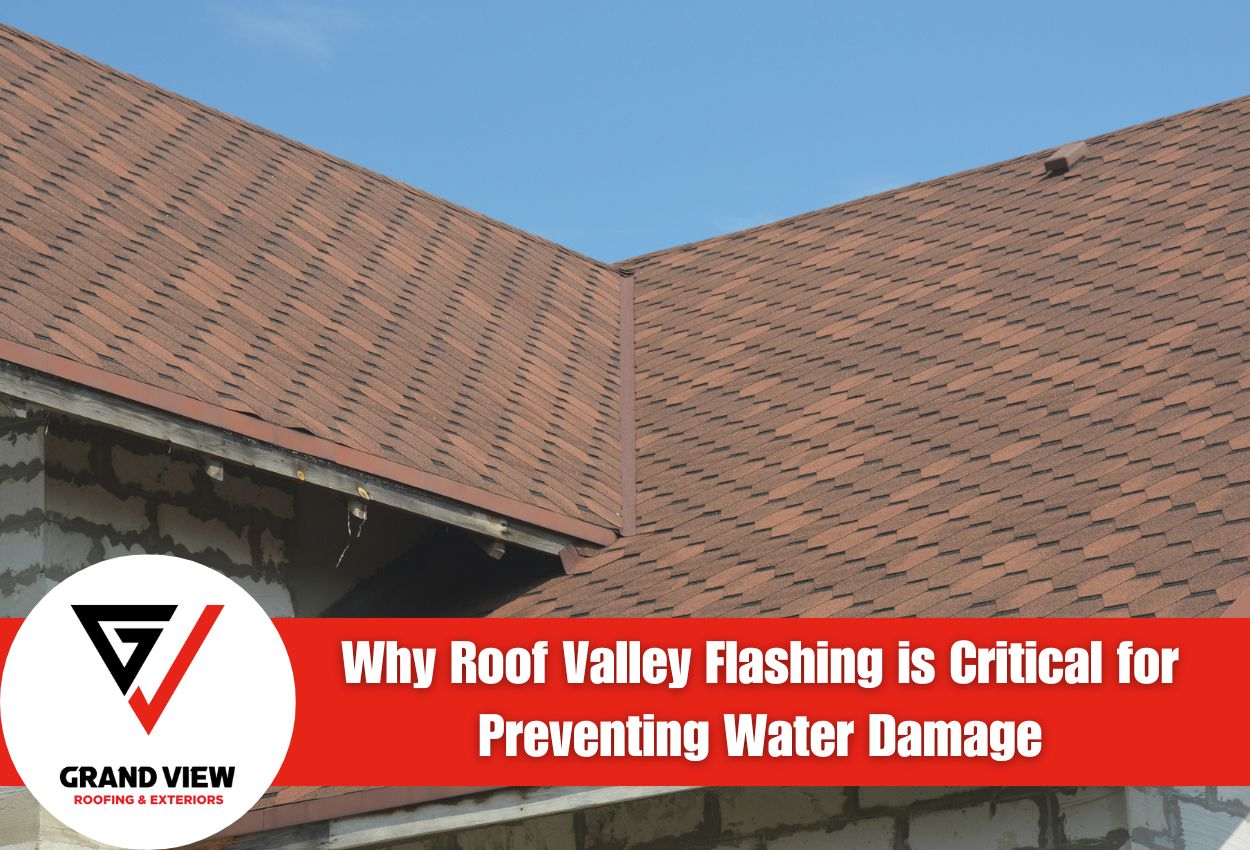 November 21, 2025Why Roof Valley Flashing is Critical for Preventing Water DamageWant to know why roof valley flashing matters? Learn how correct flashing prevents costly water damage and safeguards your home’s structure.
 -
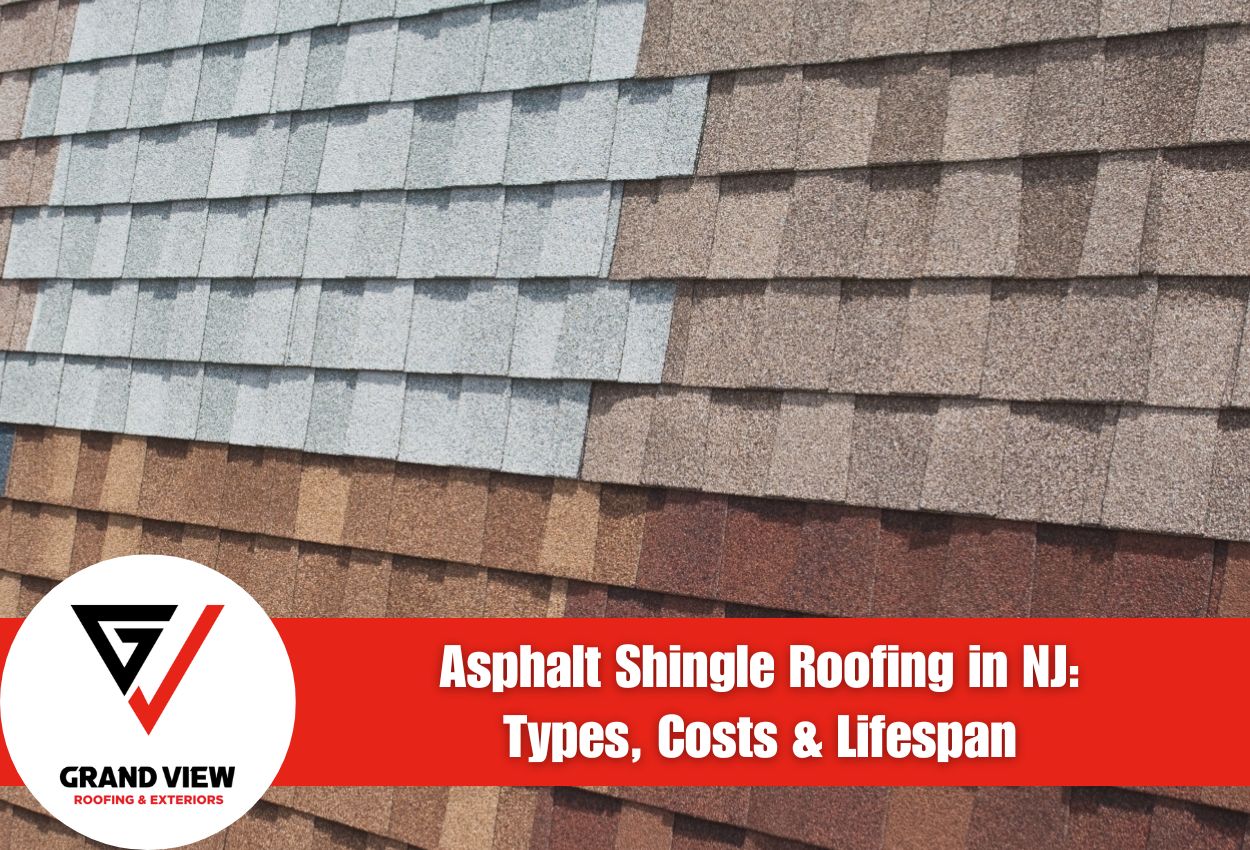 June 4, 2026Asphalt Shingle Roofing in NJ: Types, Costs & LifespanCompare asphalt shingle types, costs, and lifespan, then get your free South Jersey estimate today.
 -
 January 12, 2026A Guide to Roof Flashing Inspection and Maintenance for HomeownersWorried about water damage? Discover key roof flashing inspection and maintenance tips to safeguard your home.
Protect Your Home with Expert Roofing
Don’t wait for leaks or storm damage to cause costly repairs. Our experienced roofing team provides fast, reliable service, high-quality materials, and lasting results. Ensure your home stays safe, secure, and looking great—contact us today for a free estimate.