





 24/7 emergency services

 Call Us Today - (856) 305-9883


Which Commercial Roofing Material Is Best for South Jersey Buildings?
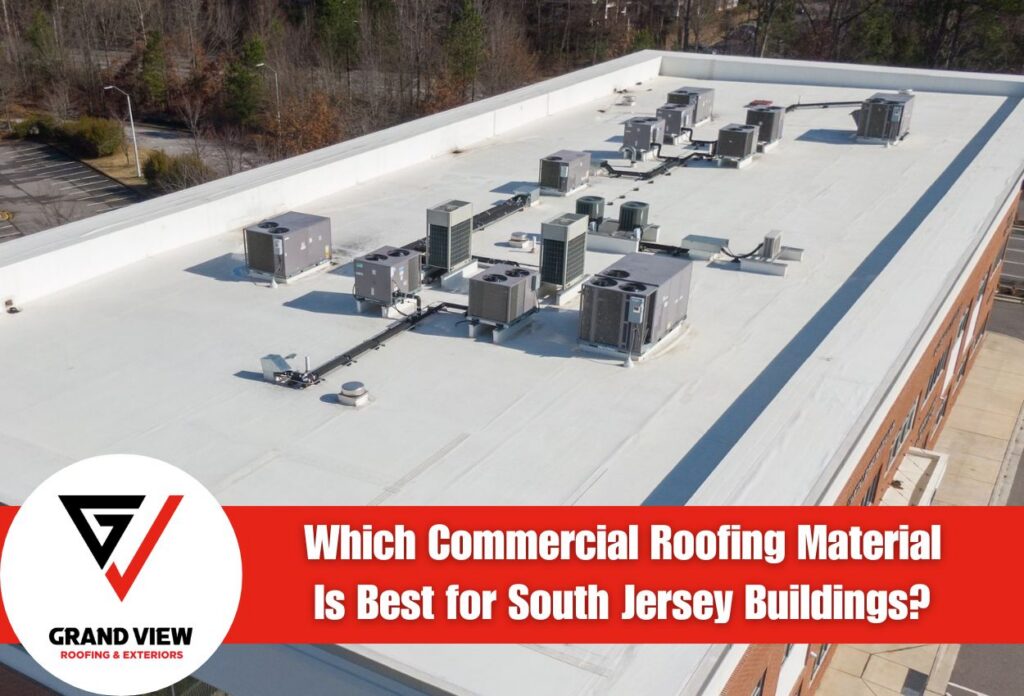
No single commercial roofing material is best for every South Jersey building, but the region’s 40 to 45 inches of annual rainfall, 10 to 20 inches of snow, and wind gusts exceeding 60 mph along the coast make the wrong choice far more expensive than it would be in a milder climate. Material selection here carries real consequences for how long a roof lasts and what it costs to maintain.
Lifespans range from as few as 10 years to as many as 25 years for the single-ply and modified bitumen systems covered here, depending on the material chosen and how well it is maintained. Salty air near Ocean City and Cape May, seasonal temperature swings, and heavy storms all wear roofing systems down faster than inland or southern markets.
*Please note, price ranges listed in this article may not reflect the final cost of your project. Prices are subject to change based on various factors such as local labor rates, material quality, and more. All costs established in this article are rough estimates based on average industry rates.
How Do TPO, EPDM, PVC, and Modified Bitumen Actually Compare on Performance?
Across the 4 materials most common on South Jersey commercial buildings, installed costs range from roughly $4.50 to $12.00 per square foot, and typical lifespans vary by as much as 15 years depending on which membrane a building owner chooses.
| Material | Typical Lifespan | Installed Cost per Sq Ft | Wind Uplift Rating | UV/Heat Reflectivity | Best Use Case |
|---|---|---|---|---|---|
| TPO | 15 to 20 years | $5.50 to $8.50 | FM 1-90 rated | High white membrane reflects 70%+ of solar heat | Flat roofs on warehouses and retail buildings |
| EPDM | 10 to 25 years | $4.50 to $8.00 | FM 1-60 to FM 1-90 rated | Low (black) to moderate (white-coated) | Low-slope roofs on office and industrial buildings |
| PVC | 20 to 25 years | $6.00 to $12.00 | FM 1-90 rated | High white membrane reflects 80%+ of solar heat | Restaurants, kitchens, and grease-exhaust rooftops |
| Modified Bitumen | 10 to 20 years | $4.50 to $8.00 | FM 1-60 rated (typical) | Low to moderate reflective cap sheets available | Concrete-deck buildings built in the 1970s to 1990s |
TPO and PVC both use heat-welded seams that bond more tightly than the adhesive seams. EPDM depends on a meaningful difference in a market that sees 40 to 45 inches of annual rainfall. Adhesive seams are the most common failure point in wet climates, making heat-welded membranes the stronger long-term choice for most South Jersey flat roofs. Modified bitumen remains common on concrete roof deck buildings put up between the 1970s and 1990s, but its heavier weight compared to single-ply membranes means a structural review is typically required before any retrofit installation.
Which Commercial Roofing Materials Hold Up Best Against Harsh Weather in South Jersey?
Metal roofing systems hold up best overall against South Jersey’s harshest conditions, with lifespans reaching 40 to 70 years and advanced salt-corrosion coatings built specifically for coastal exposure from Ocean City to Cape May. That said, the right material depends on which weather threat matters most for a specific building. Class 4 hailstorms, wind gusts exceeding 60 mph, salt-filled air, and seasonal temperature changes each stress different parts of a roofing system. When severe weather strikes unexpectedly, emergency roof storm damage services can help protect a building before permanent repairs are completed.
| Material | Class 4 Hail Resistance | Wind Uplift (60+ mph Gusts) | Salt & Coastal Exposure |
|---|---|---|---|
| TPO | Class 4 rated with reinforced membranes | FM 1-90 rated: heat-welded seams resist blow-off | Moderate UV-stable, but fasteners need monitoring |
| EPDM | Good impact resistance; puncture risk on thin membranes | FM 1-60 to FM 1-90: adhesive seams are vulnerable at the edges | Moderate rubber resists salt, but seams can lift |
| Metal | Highly rigid panels shed hail impact well | Strong: rated for 60+ mph with concealed fastener systems | Best up to 70-year lifespan with salt-corrosion coatings |
| Modified Bitumen | Moderate multi-ply build adds impact protection | FM 1-60 typical: seams weaken under repeated wind stress | Low to moderate fasteners corrode faster in salty air |
TPO and metal roofing also qualify as cool roofs under ENERGY STAR criteria when installed with white or reflective surfaces. Reflective cool roofs reduce cooling costs by 10% to 15% during South Jersey summers, when humidity runs between 60% and 75% and average highs reach 85 degrees Fahrenheit. Lower surface temperatures also reduce thermal stress that shortens membrane lifespan. Buildings along the coast should prioritize metal systems or reinforced TPO membranes to address both wind uplift and salt corrosion with a single material choice.
What Does Commercial Roofing Actually Cost and How Long Until It Pays Off?
Metal roofing costs more upfront at $12.00 to $18.00 per square foot installed, but its 40- to 70-year lifespan produces a per-year cost of $0.26 to $0.45 per square foot, competitive with TPO at $5.50 to $8.50 installed, which works out to $0.28 to $0.57 per square foot annually over 15 to 20 years.
| Material | Installed Cost per Sq Ft | Est. 20-Year Maintenance Cost per Sq Ft | Total 20-Year Cost of Ownership per Sq Ft | Lifespan | Per-Year Cost per Sq Ft |
|---|---|---|---|---|---|
| TPO | $5.50 to $8.50 | $1.50 to $2.50 | $7.00 to $11.00 | 15 to 20 years | $0.28 to $0.57 |
| EPDM | $4.50 to $8.00 | $2.00 to $3.00 | $6.50 to $11.00 | 10 to 25 years | $0.18 to $0.80 |
| Metal | $12.00 to $18.00 | $0.50 to $1.00 | $12.50 to $19.00 | 40 to 70 years | $0.26 to $0.45 |
| Modified Bitumen | $4.50 to $8.00 | $2.50 to $3.50 | $7.00 to $11.50 | 10 to 20 years | $0.23 to $0.80 |
Coastal properties from Ocean City to Cape May typically carry a 10% to 15% labor premium due to access restrictions and local code requirements, a cost that rarely appears in early budget conversations. New Jersey’s 2021 IECC also requires continuous insulation meeting R-25 to R-30 for commercial roofs, adding $1.50 to $3.00 per square foot to any re-roofing project that does not already meet code; tapered insulation for slope-to-drain compliance must also be documented, and both costs are frequently left out of initial estimates. Building owners who skip the insulation upgrade during re-roofing often face a separate, unplanned project within 1 to 2 years when a permit inspection flags the deficiency.
How Do You Choose the Right Commercial Roofing Material for Your Building Type and Budget?
Answer five questions about your building before selecting any material. The wrong starting point adds $1.50 to $3.00 per square foot in unplanned costs before the first membrane is even rolled out.
- What is your roof deck material? Steel roof decks require FM/UL wind uplift ratings matched to ASCE 7-22 design wind speeds for your county. Concrete roof decks built before 1990 need a structural weight analysis before installing heavier systems such as modified bitumen or ballasted EPDM.
- Which IECC climate zone applies to your building? South Jersey falls within Climate Zone 4A under the 2021 IECC, which requires continuous insulation meeting R-25 to R-30 on commercial roofs. Any re-roofing project that skips this upgrade faces a permit deficiency.
- How large is your roof span? Warehouses with flat-roof spans of 10,000+ square feet see the strongest ROI from TPO or metal due to low seam counts and high reflectivity. TPO installed on a large warehouse runs $5.50 to $8.50 per square foot, with a per-year cost of $0.28 to $0.57, making it one of the lowest-cost options over a 15- to 20-year lifespan.
- Does your rooftop have HVAC gaps or grease exhaust? Retail centers and restaurants with rooftop equipment favor PVC for its chemical resistance to oils and grease. PVC runs $6.00 to $12.00 per square foot installed and lasts 20 to 25 years.
- What is your building’s occupancy classification? New Jersey’s Uniform Construction Code requires occupancy classification under the International Building Code before a permit is issued, confirming that doing so early prevents delays once a contractor is selected.
Building owners who work through these five questions before requesting quotes arrive with a much narrower material shortlist. Grand View Roofing & Exteriors can help confirm the roof deck conditions, insulation requirements, and permit needs during an on-site assessment.
Can the Right Roofing Choice Actually Save Money Over Time and by How Much?
Yes, regular maintenance alone can extend a commercial roof’s service life by 5 to 10 years, and that gap translates directly into deferred replacement costs. On a 20,000 square foot warehouse with a TPO roof, pushing replacement from year 15 to year 20 delays a $110,000 to $170,000 project by 5 years. That delay preserves capital, reduces financing costs, and keeps operations running without the disruption of a full roof tear-off.
The maintenance tasks that produce those results are straightforward: clearing gutters, checking flashing connections, and scheduling annual professional inspections. None of them is expensive on its own. What makes them valuable is consistency over time.
Long-Term Savings From Reflective and Metal Roofing Systems
Metal roofing systems rated for 40 to 70 years offer an additional layer of long-term savings when paired with solar-ready or building-integrated photovoltaic (BIPV) setups. Reflective surfaces on metal and TPO roofs reduce cooling costs by 10% to 15% annually, a measurable operating benefit that adds up over a roof’s full lifespan. Over 40 years, those annual cooling cost reductions can offset a meaningful portion of the higher upfront installation cost of $12.00 to $18.00 per square foot for metal.
Coastal Properties Carry Higher Inspection Stakes
Properties along coastal South Jersey from Ocean City to Cape May should budget $300 to $600 per visit for annual professional inspections. Salt-filled air accelerates adhesive seam degradation on EPDM and TPO roofs faster than inland conditions. Skipping those inspections raises the risk of adhesive seam failures that cost $4,000 to $12,000 per repair. One missed inspection cycle can wipe out years of savings from deferred replacement.
Ready to Choose the Best Commercial Roofing Material for Your South Jersey Building?
Choosing the wrong material or skipping insulation upgrades during re-roofing can add $1.50 to $3.00 per square foot in unplanned costs and trigger a permit deficiency within 1 to 2 years. South Jersey’s coastal exposure, annual snow, and 2021 IECC requirements for R-25 to R-30 continuous insulation demand a contractor who knows regional code, not a one-size-fits-all approach.
Grand View Roofing & Exteriors works with commercial property owners across South Jersey to confirm the condition of the roof deck, climate zone compliance, and the right material match for each building type and budget. Explore the full range of commercial roofing services for South Jersey buildings to see how each option is applied in practice.
Get a free on-site assessment that includes a structural review, NJ UCC code compliance check, and material recommendation specific to your building.
Request a free roofing assessment.
Not ready to schedule? Learn more about commercial roofing options for South Jersey buildings.
Frequently Asked Questions
Got questions about your roof? We’ve got answers. From maintenance tips to insurance claims and repair timelines, our FAQ section covers the most common concerns homeowners have. Get informed and make confident decisions about protecting your home.
People Also Ask
Can I install a new commercial roofing membrane directly over my existing roof in South Jersey?
In many cases, yes, a single overlay is permitted under NJ UCC, but only if the existing roof deck is structurally sound and moisture-free. South Jersey’s freeze-thaw cycles can trap hidden moisture between layers, accelerating membrane failure from beneath. A core sample test before any overlay decision is strongly recommended.
How does South Jersey's coastal salty air affect how often commercial roofing warranties need to be validated?
Most manufacturer warranties require documented annual inspections to remain valid, and coastal conditions from Ocean City to Cape May can void coverage if salt-related fastener corrosion goes unreported. Some warranties exclude coastal zones entirely unless corrosion-resistant fasteners and approved coatings are specified at installation. Always confirm geographic exclusions before signing.
Does the rooftop equipment on my commercial building affect which roofing membrane I should choose?
Yes, HVAC units, exhaust vents, and rooftop conduits create gap points that stress membranes differently depending on material flexibility and chemical exposure. TPO and PVC handle heat and grease exposure better than EPDM around active mechanical equipment, making membrane compatibility with your specific rooftop footprint an important factor.
Related Articles
-
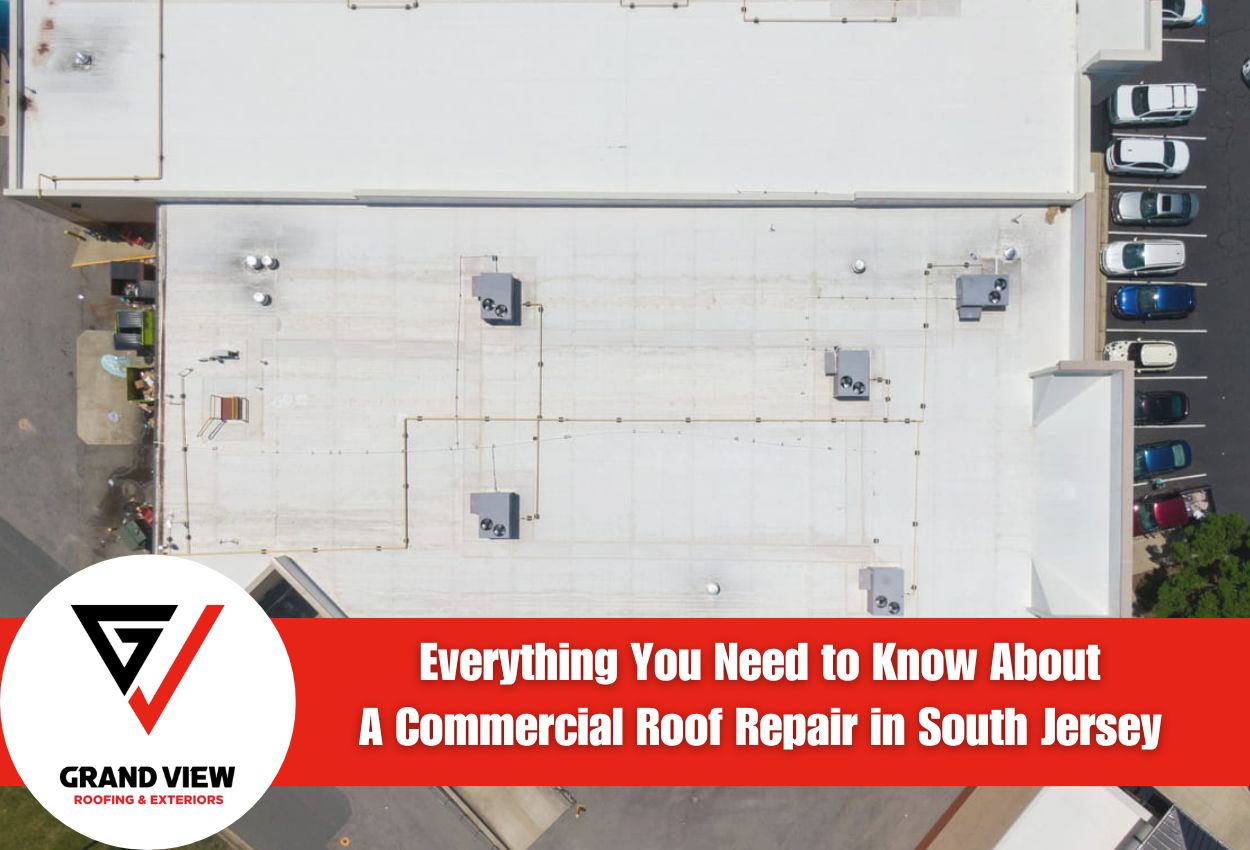 July 14, 2026Everything You Need to Know About A Commercial Roof Repair in South JerseyCan your South Jersey commercial roof handle coastal weather? Learn repair costs and warning signs.
 -
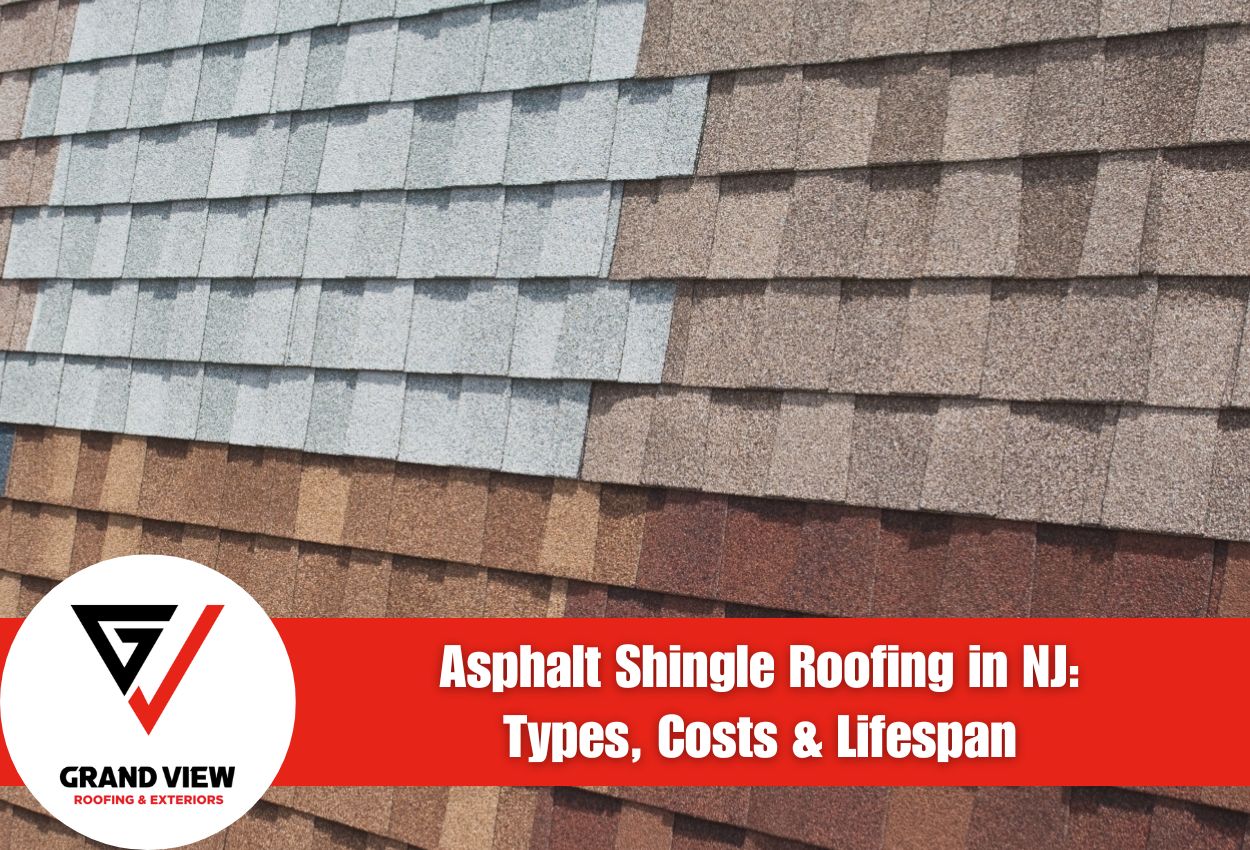 June 4, 2026Asphalt Shingle Roofing in NJ: Types, Costs & LifespanCompare asphalt shingle types, costs, and lifespan, then get your free South Jersey estimate today.
 -
 July 22, 2026What Does a Commercial Roof Inspection Cost in New Jersey?Commercial roof inspection costs in New Jersey: Learn local pricing and get a free South Jersey quote.
Protect Your Home with Expert Roofing
Don’t wait for leaks or storm damage to cause costly repairs. Our experienced roofing team provides fast, reliable service, high-quality materials, and lasting results. Ensure your home stays safe, secure, and looking great—contact us today for a free estimate.